

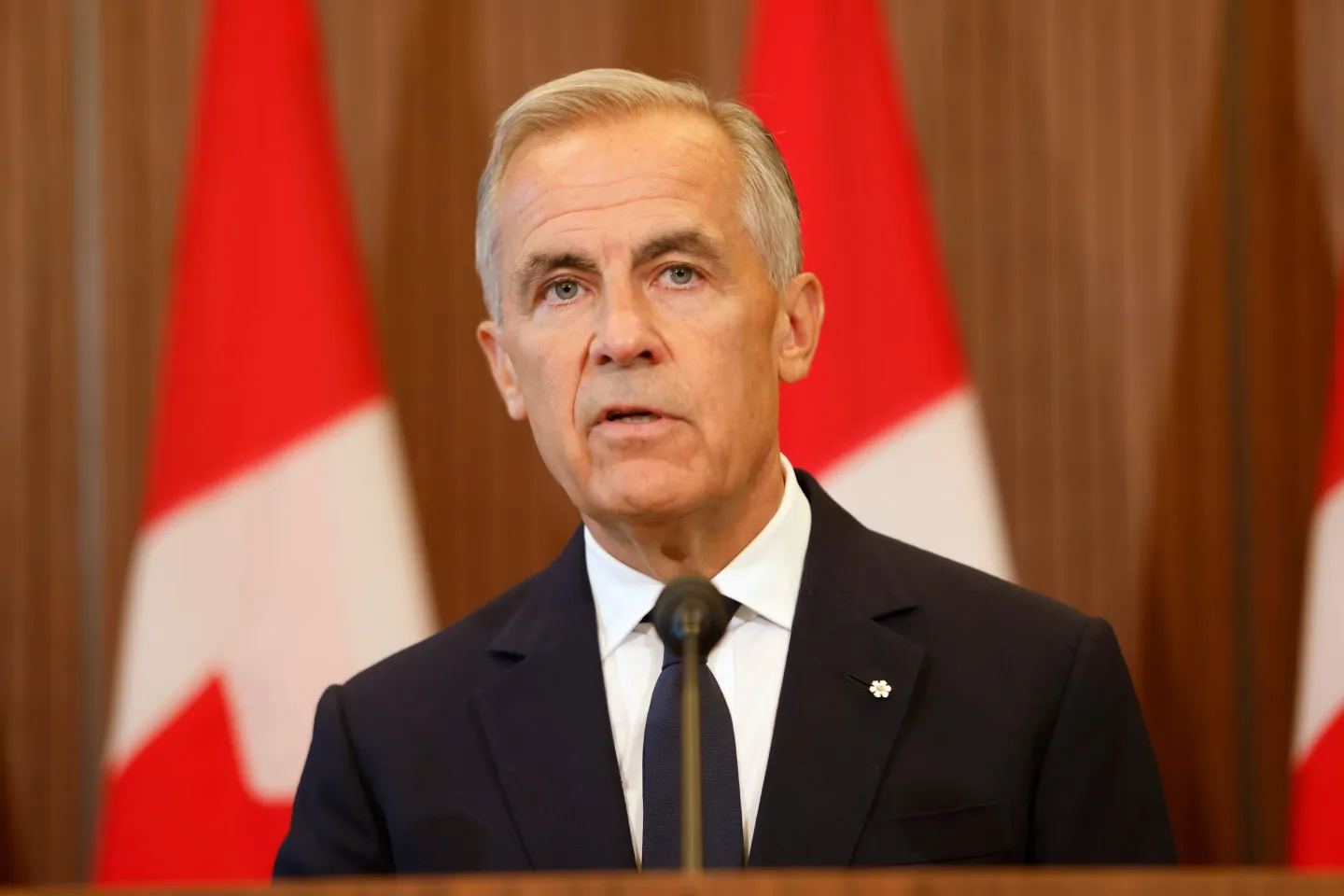

A trade relationship that has weathered more than a year of tension finally broke down entirely late Friday night, when Canadian Prime Minister Mark Carney suspended negotiations with Washington just 34 minutes before sweeping new American tariffs took effect. The 50 per cent duties, which struck at midnight Saturday, apply to roughly $20 billion worth of Canadian goods, and Carney has vowed to answer them “dollar for dollar” with retaliatory measures of Canada’s own beginning 8 September.
The collapse followed nearly two weeks of intensive negotiations in Washington, with both governments now publicly blaming the other for the breakdown. Carney characterised the American terms as “uneconomic” and “unfair,” while US Trade Representative Jamieson Greer countered that new Canadian demands and reversals of prior commitments had upended a carefully balanced arrangement in the days before talks fell apart.
Tariffs Hit Everyday Goods on Both Sides of the Border
The American tariffs, covering approximately 5.5 per cent of Canada’s total exports to the United States, apply to a specific list of goods including beer, clothing, dairy products, cement and hockey equipment. Canada’s countermeasures, set to take effect on 8 September, will concentrate on American steel, dairy, household appliances, agricultural equipment, pulp, paper and electronics, according to Carney’s own public statements detailing the retaliatory package.
Carney’s government has placed the total value of the dispute at C$28 billion, a figure notably higher than the US Trade Representative’s estimate of roughly $20 billion, reflecting how even the basic accounting of the confrontation remains contested between the two governments. Most Canadian goods have historically crossed the border duty-free under the USMCA trade pact that Trump signed during his first term, making this breakdown a significant departure from the established North American trade framework rather than a routine tariff dispute.
“America Has Changed,” Carney Declares
Central to Carney’s public framing of the collapse is a broader argument he has repeated in various forms since March 2025, that the fundamental character of America’s trading relationship with its neighbours has shifted permanently. Speaking in Ottawa on Saturday, he described the new tariffs as “a miscalculation” and said Canada’s response would be a “focused” one aimed specifically at protecting Canadian workers, farmers and businesses rather than an indiscriminate escalation.
This declaration carries weight beyond the immediate tariff dispute, since Carney has consistently paired such statements with calls for Canada to reduce its structural dependence on the American market. His government has separately pursued diversification efforts, including a January 2026 agreement with China that reduced Canadian tariffs on electric vehicles in exchange for Beijing lowering duties on Canadian canola oil, signalling a broader strategic pivot already underway well before this latest breakdown.
What the Standoff Signals Beyond North America
For India and other trading nations watching from outside the dispute, the US-Canada breakdown illustrates how quickly established, decades-old trade relationships can fracture even between historically close allies operating under a formal trade agreement. The dispute adds to a pattern of American tariff actions against multiple trading partners that has characterised trade policy through 2025 and 2026, reinforcing incentives for countries worldwide to diversify export markets rather than depend heavily on any single major economy.
Canadian consumer sentiment has already shifted in ways that may outlast the immediate tariff dispute itself, with recent polling finding that three in four Canadians do not intend to resume purchasing American alcohol regardless of how the trade standoff ultimately resolves. With no further negotiating sessions currently scheduled between Washington and Ottawa, the coming weeks before Canada’s retaliatory tariffs take effect on 8 September will likely determine whether the two sides return to the table or settle into a prolonged period of mutual economic restriction.
Follow for daily updates on cybercrime, corporate fraud, DFIR, hacking, investigations, and digital forensics
