

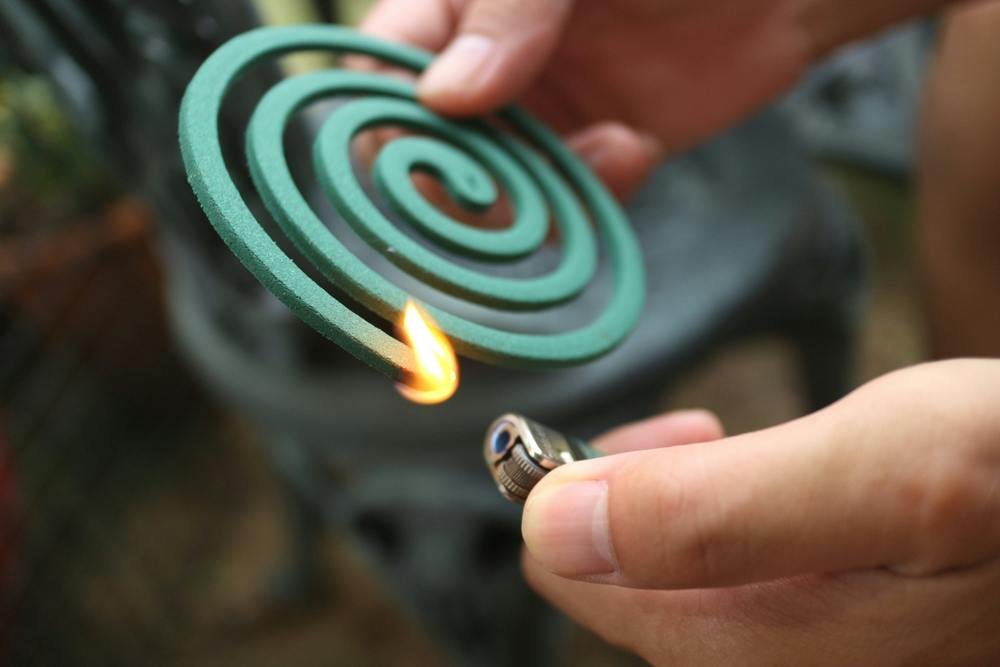
Mosquito coils are widely used to keep mosquitoes away, but burning them inside closed or poorly ventilated rooms can expose people to smoke containing potentially harmful pollutants. Experts caution that regular exposure may affect the respiratory system, particularly among children, older people and those with breathing problems.
Why Can Mosquito Coil Smoke Be Harmful?
When a mosquito coil burns, it does more than release mosquito-repelling chemicals. The combustion process can also produce smoke containing fine particles and other substances that may be inhaled by people in the room.
Experts warn that burning a coil in a closed room can allow these pollutants to accumulate. The risk becomes more concerning when ventilation is poor and people remain exposed to the smoke for long periods.
The advice is to use mosquito coils only in open or well-ventilated places and to keep them around two to four metres away from people where possible.
FCRF Launches CP-FRM to Build India’s Next Generation of Fraud Risk Professionals
What Chemicals Can Be Released?
Mosquito coils commonly contain insecticides such as pyrethrins, pyrethroids or related compounds intended to repel or kill mosquitoes. However, burning the coil can produce several other pollutants through combustion.
These may include carbon monoxide, volatile organic compounds, sulphur dioxide, nitrogen dioxide and fine particulate matter. The smoke can therefore contain more than the active mosquito-repellent ingredient itself.
Some studies cited by experts have raised concerns about the amount of particulate pollution generated by burning coils. Fine particles are especially important because they can remain suspended in the air and be inhaled into the respiratory system.
How Does the Smoke Affect the Body?
The smoke produced by mosquito coils can enter the body through breathing. Fine particles may travel into the airways and affect the respiratory system, while chemical pollutants in the smoke may cause irritation.
Possible effects include coughing, breathing difficulty and irritation of the eyes, nose and throat. Exposure may be particularly troublesome for people who already have respiratory conditions.
Experts also caution that prolonged exposure to smoke in poorly ventilated spaces may place additional strain on the lungs. The concern is greater when coils are used repeatedly indoors and people breathe the smoke for several hours.
Children, older adults and people with asthma or other respiratory problems may be more vulnerable to the effects of polluted indoor air.
Is Burning a Coil in a Closed Room Riskier?
Experts specifically advise against burning mosquito coils in closed rooms. Without sufficient movement of fresh air, smoke and pollutants can remain trapped indoors instead of dispersing.
One expert compared the danger of burning a coil in an enclosed room to cigarette smoke because both involve combustion and can release harmful substances into the air.
The risk may increase when windows and doors remain closed and there is inadequate ventilation. In such conditions, people may continuously inhale the smoke while sleeping or spending long periods in the room.
Keeping a burning coil directly beside a bed or underneath a chair can further increase direct exposure to the smoke. Experts advise placing coils away from people and ensuring that smoke does not flow directly towards them.
Can Long-Term Exposure Create Greater Health Risks?
Repeated exposure is a particular concern. Experts say mosquito coil smoke can affect the body’s respiratory defences, while prolonged contact with smoke may contribute to irritation and breathing-related problems.
Carbon monoxide exposure is also a concern because it can reduce the body’s ability to transport oxygen effectively. Other pollutants produced during combustion may irritate the respiratory tract.
Researchers have also examined possible longer-term health consequences of repeated exposure to mosquito coil smoke. The screenshots note concerns involving respiratory problems and other health effects, although the precise level of risk can depend on factors such as exposure, ventilation and individual health.
The danger should therefore not be understood as coming from a single chemical alone. The combination of combustion smoke, fine particles and different pollutants is what makes repeated indoor exposure a concern.
How Can Mosquitoes Be Controlled More Safely?
Experts recommend reducing reliance on burning coils, particularly inside enclosed rooms. Electric mosquito-repellent devices can be considered as an alternative.
Physical protection is another important option. Mosquito nets and keeping doors and windows appropriately screened can help prevent mosquito bites without producing smoke inside the home.
Where a coil is used, ventilation becomes important. It should be kept away from beds and other places where people remain for long periods, and users should avoid positioning themselves directly in the path of the smoke.
Experts also advise against assuming that because a product is designed to repel mosquitoes, its smoke is harmless to humans. A mosquito-repellent chemical and the pollutants produced when a coil burns are separate considerations.
What Should Families Keep in Mind?
Protection from mosquito-borne illness remains important, but the method used to prevent mosquito bites should not create unnecessary indoor air pollution. Families using coils should avoid burning them for long periods in tightly closed rooms and should ensure adequate ventilation.
People who develop persistent coughing, breathing difficulty or other respiratory discomfort around mosquito coil smoke should reduce their exposure. Extra caution is advisable in homes with children, older people or individuals who already have respiratory problems.
Mosquito protection should not come at the cost of breathing polluted indoor air. Burning coils may help repel mosquitoes, but their smoke can expose people to fine particles and several combustion-related pollutants. Using mosquito nets, electric repellents and other non-burning measures where practical, while keeping any coil use well ventilated and away from people, can reduce unnecessary exposure.
Follow for daily updates on cybercrime, corporate fraud, DFIR, hacking, investigations, and digital forensics
