
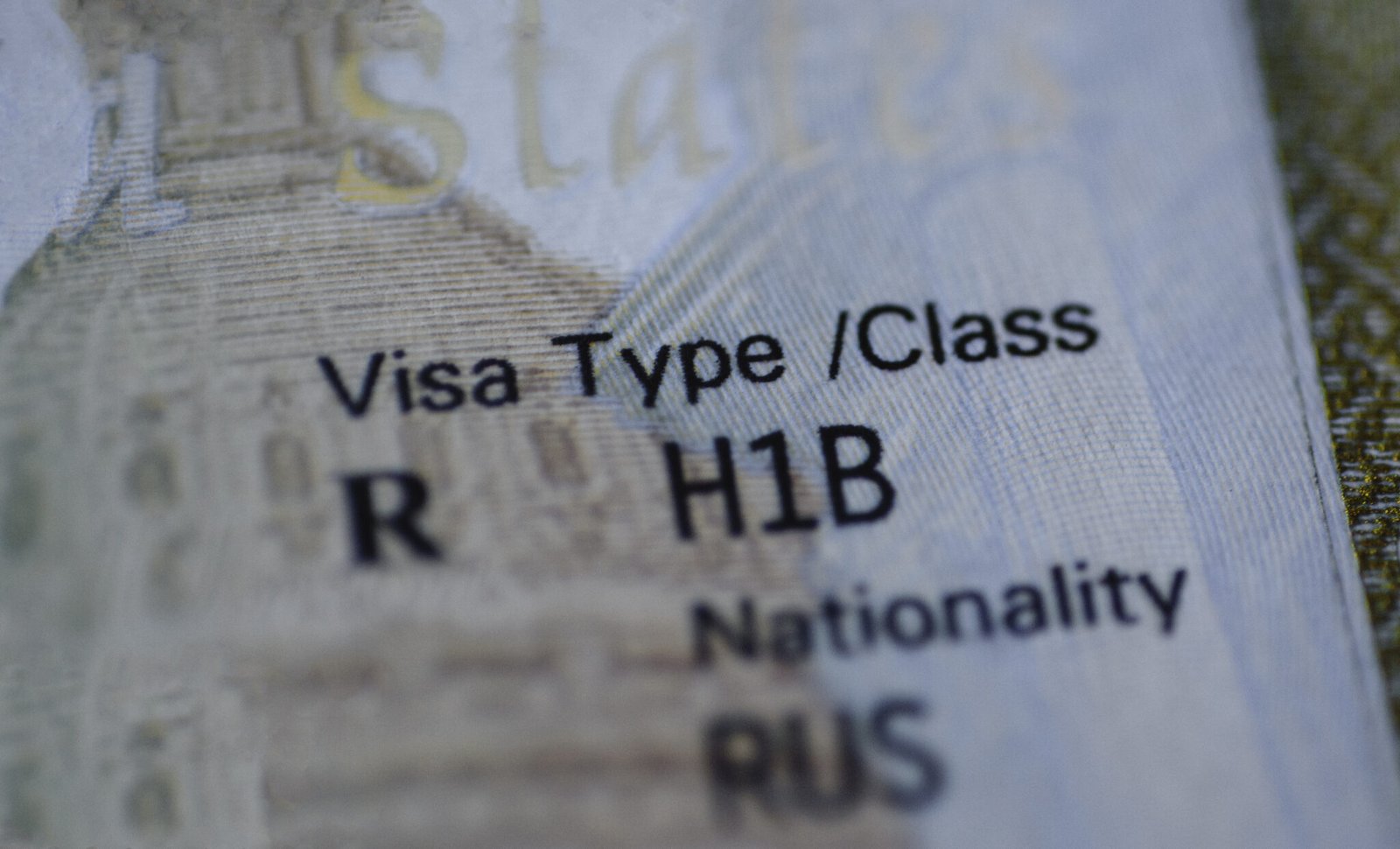
A University of California insider and a California-based visa firm operator have pleaded guilty to conspiracy to commit H-1B visa fraud, after federal prosecutors said they spent nearly three years filing applications for jobs that did not exist in order to secure approvals and place workers elsewhere.
Inside Role Gave Fraudulent Petitions Credibility
The US Justice Department announced that Sampath Rajidi and Sreedhar Mada, both 51 and residents of Dublin in California’s East Bay, entered guilty pleas this week. Rajidi ran two companies, S-Team Software Inc and Uptrend Technologies LLC, which sourced foreign workers and placed them temporarily with businesses through the H-1B visa route.
What prosecutors said strengthened the scheme was Mada’s position inside the University of California system. As Chief Information Officer at UC Agriculture and Natural Resources in Davis, he held supervisory authority over his department, a role that gave institutional credibility to the visa petitions, even though he was not authorised to hire H-1B workers without approval from senior leadership.
FCRF Returns With CDPO, Its Premier Data Protection Certification for Privacy Professionals
Petitions Filed for Jobs That Did Not Exist
From June 2020 through January 2023, the two men filed a series of visa petitions for multiple candidates, claiming they would be employed in positions at the University of California. Prosecutors said none of those roles actually existed.
Once the visas were approved, the workers were marketed to entirely different employers, private clients who had no connection to the university named in the original petitions.
Federal prosecutors said the defendants knew the claims made in the petitions were material to how immigration authorities assessed and approved visa applications. The case centred not only on deception of authorities but also on the misuse of one of the most competitive immigration channels in the United States.
Limited Visa Slots Were Affected
Prosecutors said the conspiracy had consequences beyond the applicants directly involved because H-1B visas are distributed through a lottery system in which demand exceeds the number of slots available each year. By filing petitions backed by false institutional claims, the two men allegedly secured approvals their candidates would not otherwise have received.
According to the prosecution, that conduct effectively reduced the number of visas available to legitimate applicants in the same cycle. Both men are due to appear before US District Judge Troy L Nunley on July 30, 2026, and each faces up to five years in federal prison and a fine of up to $250,000.
The investigation involves multiple federal agencies, including the US Department of State’s Diplomatic Security Service, Homeland Security Investigations, the Treasury Inspector General for Tax Administration, and the USCIS Fraud Detection and National Security Directorate. The case is being prosecuted by Assistant US Attorney Douglas Harman.
About the author – Rehan Khan is a law student and legal journalist with a keen interest in cybercrime, digital fraud, and emerging technology laws. He writes on the intersection of law, cybersecurity, and online safety, focusing on developments that impact individuals and institutions in India.
