

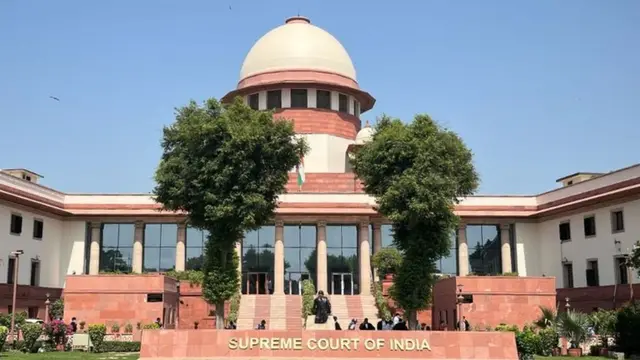

Training for the latest batch of Indian Administrative Service probationers has remained on hold for nearly two months as the central government awaits clarification from the Supreme Court on the implementation of its ruling regarding Other Backward Classes creamy layer criteria. The dispute stems from ambiguity over whether the judicial interpretation of creamy layer norms applies solely to upcoming appointments or whether it mandates a retrospective reassessment of previous selection rounds. With the Department of Personnel and Training seeking explicit procedural guidance, administrative machinery has paused induction schedules until legal clarity is established.
Induction Schedule Stalled Following Court Ruling
The foundation training course for newly appointed civil servants was originally scheduled to commence in the third week of August. That programme remains suspended because the administrative criteria governing reservation benefits under the Other Backward Classes category require formal judicial clarification. Government officials have engaged with the legal ramifications of the Supreme Court judgment delivered on March 11, 2026, which altered the baseline for assessing eligibility under the creamy layer bracket. The Department of Personnel and Training has reviewed recruitment records spanning the past 14 years to measure the administrative disruption that could occur if past appointments are reopened. The department has informed candidates that their overall service conditions and eventual seniority will not suffer due to the current postponement, confirming that academy sessions will begin as soon as the court issues its clarification.
Uncertainty Extends Across Central Recruitment and Admissions
The legal question hinges on whether the revised creamy layer standard operates prospectively or retrospectively. If the court confines the application strictly to fresh recruitment drives, the administrative impact will remain limited. Conversely, permitting a retroactive review across past years could introduce sweeping procedural hurdles regarding the validity of finalized candidate lists and reservation allocations. The broader implications of the case reach beyond civil services examinations conducted by the Union Public Service Commission. A retrospective mandate could trigger reassessments in recruitment drives administered by the Staff Selection Commission, Railway Recruitment Boards, and state-run banking entities. Similar concerns surround admissions granted under reservation quotas at premier educational centres, including the Indian Institutes of Technology, Indian Institutes of Management, the All India Institute of Medical Sciences, and National Institutes of Technology.
Government Awaits Final Clarification on Seniority and Cadres
The primary administrative concern remains the stability of service allocations and seniority rosters for officers appointed over the last decade to 14 years. If retrospective adjustments were permitted, candidates previously excluded under earlier creamy layer interpretations could demand re-evaluation of their merit ranks, service assignments, and cadre allocations. Such adjustments would alter long-standing service records and generate protracted legal challenges among serving personnel. Central authorities have clarified that no retrospective seniority or revised cadre allotment can be granted automatically without specific judicial directives. The government filed its clarification petition before the bench on August 24, and the Supreme Court reserved its order on September 24. A final decision remains awaited, leaving administrative bodies, public recruitment agencies, and probationers awaiting definitive guidelines on implementing the reservation framework.
Follow for daily updates on cybercrime, corporate fraud, DFIR, hacking, investigations, and digital forensics
