
Follow us on Google News

NEW DELHI: Shares of major artificial intelligence chipmaker Nvidia fell 5.2 percent in pre-market US trading on Tuesday, cooling off sharply a day after surging on the dramatic return of chief executive officer Jensen Huang. The pullback comes as investors begin questioning operational risks, board independence, political interference, and corporate governance at the tech giant. Ahead of Tuesday’s opening bell, Nvidia stock slipped 5.2 percent to trade at $156.40, or roughly Rs 13,900.
On Monday, the company’s shares had staged a massive 31.5 percent rally, adding $952 billion, or about Rs 84 lakh crore, to its market capitalization in a single session. That surge briefly propelled Nvidia back into the second spot on the list of the world’s most valuable companies, trailing only Apple. Despite Monday’s historic bounce, however, Nvidia shares remain roughly 31 percent below the record high set on October 6.
Leadership Turmoil and Governance Concerns
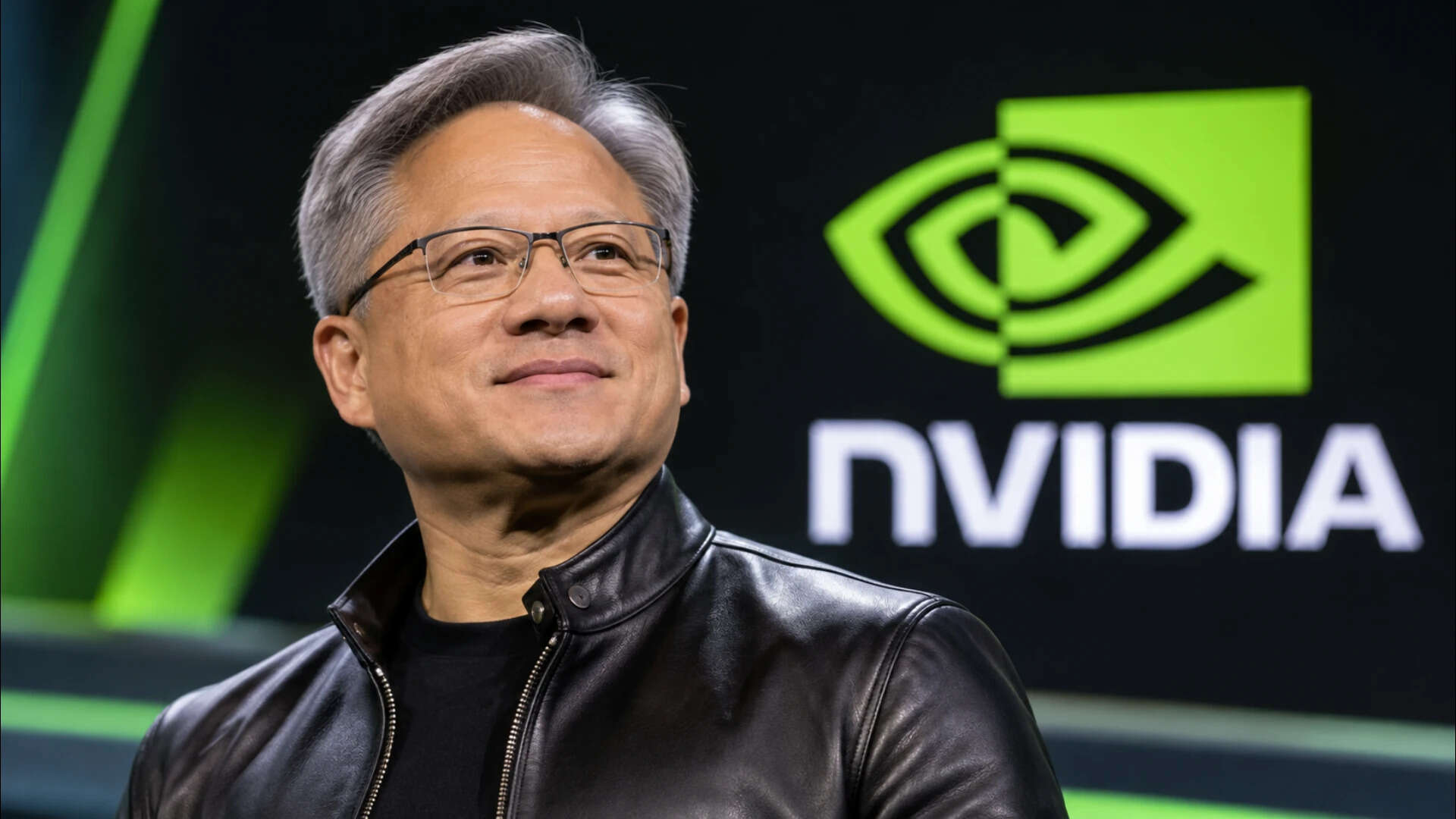
Huang’s return to the helm comes amid internal and external developments that have left investors unsettled. According to reports, Huang reassumed the CEO role following pressure from US President Donald Trump, shortly after reports of his resignation surfaced following disclosures regarding an extramarital affair. His abrupt exit and subsequent reinstatement rattled financial markets and injected fresh uncertainty across the broader artificial intelligence ecosystem, which relies heavily on Nvidia’s technology and financial backing.
Charu Chanana, chief investment strategist at Saxo, noted that while Huang’s return may have eased immediate operational risks for Nvidia, political and legal headwinds could persist over the long term. She pointed out that the circumstances surrounding Huang’s reappointment raise uncomfortable questions about the independence of the company’s board of directors, political interference in corporate governance, and adherence to the rule of law.
Scrutiny Over China Sales and Legislative Push
Nvidia is also navigating mounting pressure over its AI chip sales to China, with the US administration keeping close tabs on the company’s activities. Washington has tightened licensing rules governing certain China-linked chip shipments as well as overseas data centers servicing Chinese firms. Because Huang has favored maintaining Nvidia’s access to the Chinese market, concerns are growing over a potential collision between US policy objectives and the company’s commercial interests.
US lawmakers are preparing to demand answers from Huang on the matter. Several legislators from both major political parties have voiced strong objections to his return and urged Congress to pass the Chip Security Act. The proposed legislation is designed to prevent legally exported advanced chips from being illegally diverted to China or put to unauthorized uses, reinforcing existing US restrictions and export controls on chip sales to Beijing.
Board Probes and Shifting Market Sentiment
Meanwhile, Nvidia’s board of directors has established two internal committees to examine the fallout. One panel will investigate whether foreign intelligence agencies attempted to target Huang, while the second will focus on national security and export control compliance. Neither the company nor its board has publicly disclosed details of the reported discussions held with President Trump. Although Trump has publicly backed Huang’s return, calls are growing for greater transparency regarding the White House’s role in the episode.
Wall Street initially welcomed Huang’s reinstatement with enthusiasm on Monday, driving sharp gains across chipmakers and data center stocks. That broad rally added $2.8 trillion, or nearly Rs 249 lakh crore, to the market value of the benchmark S&P 500 index. However, Tuesday’s retreat in Nvidia shares signals that investors are looking beyond commercial prospects to weigh leadership stability and political risks, leaving initial optimism tempered by questions over board accountability and US policy scrutiny.