
Follow us on Google News

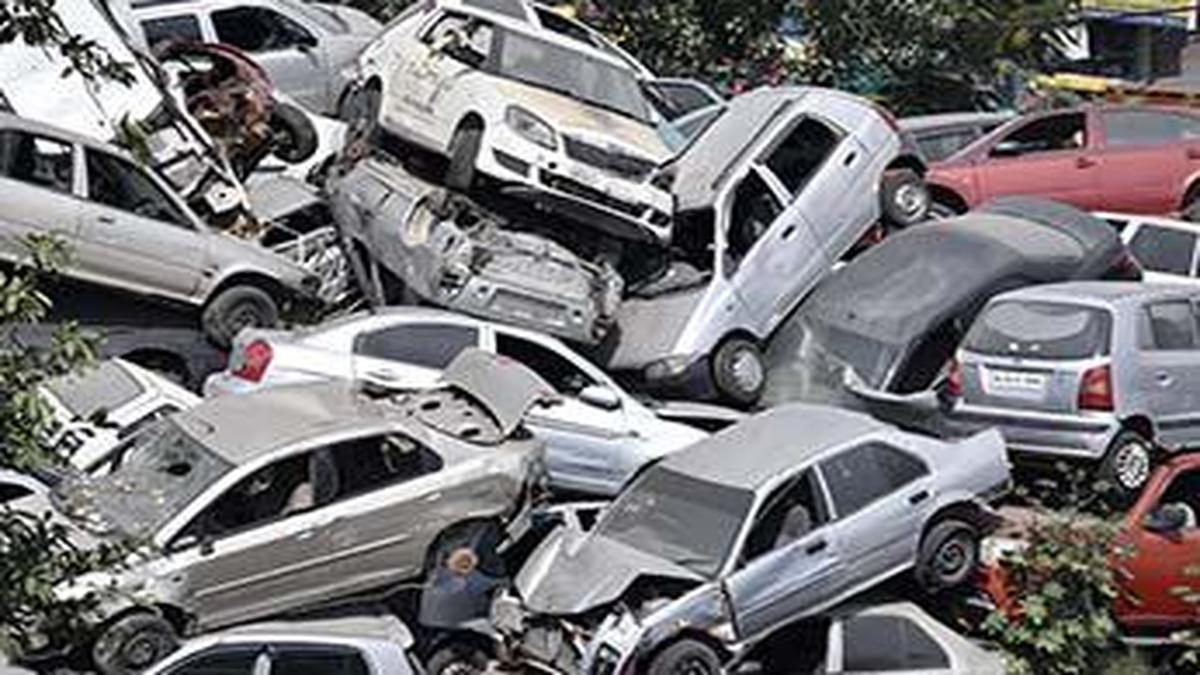
The Central Government has amended vehicle scrapping regulations, relieving automobile manufacturers of a potential financial burden estimated at Rs 25,000 crore. Under the revised framework, vehicle manufacturers continuing operations in India will no longer need to record the estimated future cost of recycling and scrapping old vehicles as a liability on their balance sheets. This financial provisioning requirement will now apply strictly to companies that permanently shut down their operations in the country.
The Ministry of Environment, Forest and Climate Change issued a notification on November 20 amending the Environment Protection (End-of-Life Vehicles) Rules, 2025. The notification clarifies that producer obligations under Rule 4(6) will take effect only when an automaker permanently ceases business. Companies maintaining active operations in India are exempt from making immediate balance sheet provisions for future recycling liabilities.
This regulatory amendment resolves a major concern that emerged from the combined application of the vehicle scrapping rules and Indian Accounting Standard Ind AS-37. Automakers feared they would be required to estimate future recycling expenses for vehicles sold over previous decades and recognize them as current liabilities. Industry executives were concerned that such accounting treatment would heavily impact corporate profits, cash flows, and balance sheet health.
Potential Financial Impact Estimated at Rs 25,000 Crore
Earlier this year, the Society of Indian Automobile Manufacturers (SIAM) wrote to the ministry highlighting the severe financial implications of the rules. The industry body pointed out that if the Central Pollution Control Board (CPCB) notified environmental compensation rates, automakers would be forced to make substantial financial provisions under Ind AS-37.
According to SIAM’s initial assessment, the provision could have resulted in a one-time gross financial hit of around Rs 25,000 crore for the automobile industry in the 2025-26 financial year. Even after factoring in applicable exemptions, the net estimated impact stood at approximately Rs 9,000 crore. Manufacturers were worried that calculating future recycling obligations based on sales data from the past 15 to 20 years would require locking up massive funds in financial reserves.
Liabilities Triggered Only Upon Permanent Closure
The November 20 notification specifies that if an automobile manufacturer permanently shuts down its business, it must submit details of all vehicles introduced into the market over a prescribed period to the Central Pollution Control Board. For transport vehicles, companies must provide data covering the past 15 years, while for non-transport vehicles, the disclosure must cover the preceding 20 years.
Following this submission, the CPCB will assess the company’s Extended Producer Responsibility (EPR) and determine its pending obligations up to the date of closure. The closing firm will then be required to calculate the estimated cost of fulfilling these liabilities, including expenses for purchasing EPR certificates. This total estimated amount must be recorded as a liability or financial provision on the company’s balance sheet. Active manufacturers, however, will not face this upfront provisioning requirement.
Scrapping Targets Met Through EPR Certificates
The vehicle scrapping rules came into effect on April 1, 2025, with the objective of dismantling and recycling end-of-life vehicles in an environmentally sound manner. Under the framework, automakers must meet annual scrapping targets determined by the volume of vehicles they sold roughly 15 to 20 years earlier.
To fulfill these annual targets, manufacturers have the option to purchase EPR certificates from registered vehicle scrapping facilities through a centralized online portal. Registered centers issue these certificates based on the weight of steel recovered from dismantled vehicles. By purchasing these certificates, automakers can satisfy their statutory EPR obligations without having to physically scrap old vehicles themselves.
The cost of acquiring EPR certificates forms part of the estimated expenditure for meeting compliance requirements. With the latest amendment, the government has preserved the core environmental and recycling framework while removing the threat of immediate balance sheet provisioning for operating automakers.