

The Central Bureau of Investigation has arrested two senior officials from the Haryana Labour Welfare Board for their alleged role in an intricate bank fraud scheme that diverted nearly ₹50 crore of public welfare money into shell networks. The calculated enforcement actions form a critical component of a massive, wider investigative sweep targeting a multi-department institutional scam that drained over ₹504 crore from public state bank accounts.
The institutional clampdown intensified after federal authorities uncovered deep-seated collusion between internal corporate accounting staff and corrupted banking channels. Following an official reference handed down directly by the state government, investigators aggressively pursued actionable leads to halt the systematic siphoning of state treasury reserves. The resulting enforcement operations highlight a systemic vulnerabilities risk where public capital meant for low-income worker safety nets was covertly re-routed into illicit shadow enterprises.
This localized financial disruption has triggered an exhaustive national asset-tracing campaign managed by top federal anti-corruption units. Legal analysts expect the sweeping enforcement models to serve as a benchmark for future regulatory compliance sweeps across regional state boards. As the primary suspects undergo custodial interrogation, forensic accountants are meticulously reconstructing cross-bank transaction books to isolate every single point of operational failure.
Fraudulent Transfers and Shell Companies Discovered
The central tracking operation culminated in the arrest of Jugal Kishor, a permanent Accounts Officer serving with the Haryana Labour Welfare Board, alongside Amit Kumar, who was engaged as a contractual accountant. Following their formal apprehension, the two suspects were promptly produced before a competent regional court, which granted the federal agency extended custody for specialized interrogation. Investigators successfully accumulated substantial empirical evidence tying the dual accounting officials to a series of unauthorized, highly irregular bank ledger entries.
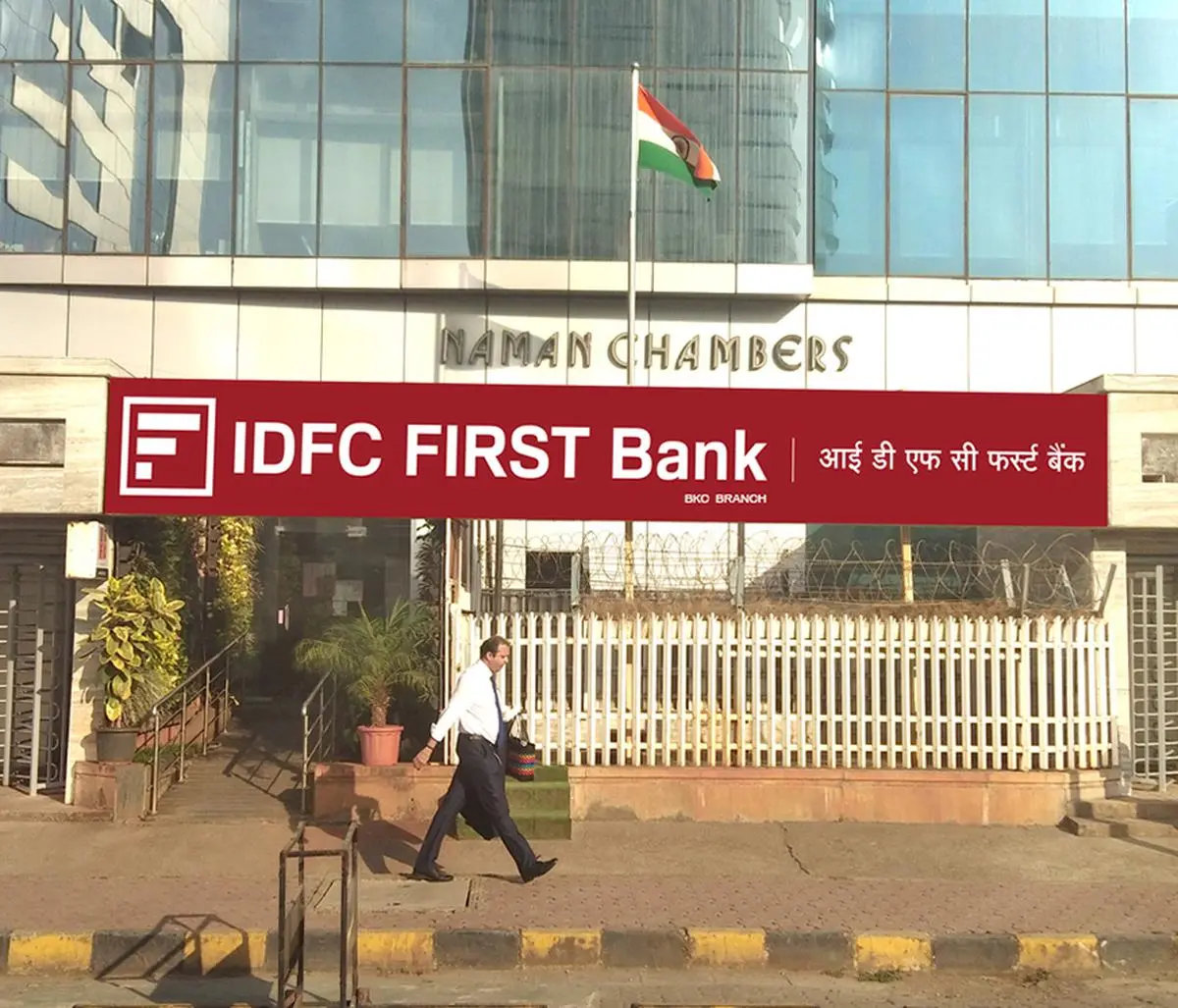
According to formal statements released by the central agency, the corrupt duo utilized a pattern of unauthorized debit notes to steadily drain approximately ₹50 crore out of the board’s official operational account managed at the Sector-32 branch of IDFC FIRST Bank in Chandigarh. Once separated from the primary treasury files, these substantial capital deposits were systematically dispersed across an array of obscure shell corporate entities. Specific front enterprises identified by forensic search teams include Capco Fintech Services, SRR Planning Gurus Private Limited, and Swastik Desh Projects, none of which possessed legitimate corporate interactions with the labor welfare board.
The Massive Scale of the Banking Scam
The shocking embezzlement uncovered within the regional labor welfare archives is not an isolated administrative incident but represents one section of a far larger structural banking crisis. Federal tracking algorithms have demonstrated that this specific account breach fits cleanly into a massive ₹504 crore multi-department banking fraud operating directly out of the exact same IDFC FIRST Bank branch in Chandigarh. In total, the comprehensive illicit network successfully targeted and exploited the independent capital reserves of eight distinct Haryana government departments.
The complex criminal methodology relied heavily on the mass production of completely non-existent or heavily forged fixed deposits (FDs) alongside fraudulent debit authorizations. In multiple instances, corrupt actors manipulated institutional accounting portals to open secret operational accounts entirely bypassing the standard legal permissions mandated by state guidelines. Public funds were then funneled into these unapproved bank repositories before being quickly layered through third-party shadow accounts to obscure the visible money trail from state auditors.
Expanding Probes and Chargesheets Against Accused
The sweeping multi-crore investigation was originally initiated by the Haryana State Vigilance and Anti-Corruption Bureau before the immense institutional scale required an official transfer to central federal investigators. The central agency has rapidly scaled its judicial interventions, already submitting formal chargesheets against 17 prominent accused parties before a designated special court. This extensive list of formal indictments spans six banking professionals from IDFC FIRST Bank and AU Small Finance Bank, three state public servants, two complicit corporate entities, and six private intermediaries.
The high-profile accountability push has already snared top-tier bureaucrats, including senior IAS officers who allegedly facilitated the irregular placement of surplus state funds into compromised banking structures. Federal teams remain deployed across multiple states to systematically map the complete money trail, with additional supplementary chargesheets expected as digital forensics uncover deeper layers of administrative collusion. While the targeted suspects face heavy statutory charges covering criminal conspiracy and forgery, final criminal liability remains subject to upcoming judicial determinations
Follow for daily updates on cybercrime, corporate fraud, DFIR, hacking, investigations, and digital forensics
