
Follow us on Google News

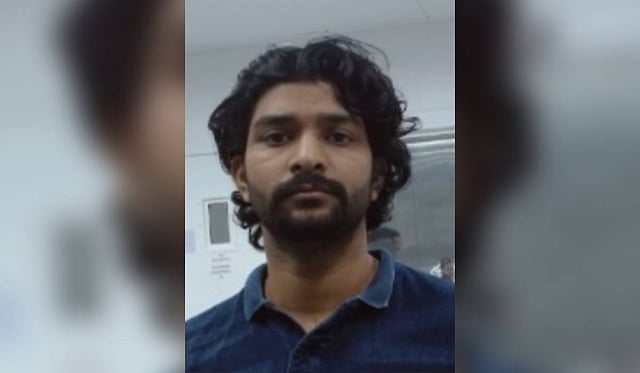
The Enforcement Directorate (ED) has summoned seven serving and retired Punjab government officials, including senior IAS, IPS and PCS officers, as its money-laundering investigation into suspended Deputy Inspector General Harcharan Singh Bhullar expands into the state’s administrative and police establishment.
The summons, reported on November 22, mark a significant development in the investigation into alleged bribery, illegal financial dealings and misuse of official positions involving Bhullar and his suspected middleman, Krishanu Sharda.
Five serving officers and two retired bureaucrats have been directed to appear before the ED’s Chandigarh office between November 23 and November 27.
Those summoned include Ludhiana Police Commissioner Swapan Sharma, Fazilka Senior Superintendent of Police Gagan Ajit Singh and senior officials from Punjab’s Health and General Administration departments.
Investigators are examining whether Sharda acted as an intermediary to secure official favours, influence transfers and facilitate government decisions in exchange for money.
FCRF Launches Certified Chief Risk Officer (CRO) Program for India’s Risk Leaders
Seven Senior Officials Called For Questioning Over Alleged Financial Links
The ED has summoned Kumar Rahul, a 2000-batch IAS officer serving as Administrative Secretary of Punjab’s Health and Family Welfare Department, for questioning on November 23.
Anand Sagar Sharma, a Punjab Civil Services officer serving as Staff Officer to the Commissioner of Faridkot Division, has been called on November 25.
Retired bureaucrat Arun Sekhri, who previously served as Divisional Commissioner in Faridkot, Ferozepur and Jalandhar, has also been summoned for November 25.
Three officials have been asked to appear on November 26. They include Neeru Katyal Gupta, a 2016-batch IAS officer serving as Special Secretary in the General Administration and Coordination Department, Fazilka SSP Gagan Ajit Singh and retired bureaucrat Gurpreet Sapra.
Ludhiana Police Commissioner Swapan Sharma has been summoned for November 27.
The agency is expected to question the officers about their alleged interactions with Sharda and examine whether any official decisions were influenced through improper financial arrangements.
However, receiving an ED summons does not establish criminal involvement. The officers have been called for questioning, and the allegations against them have not been proved.
WhatsApp Messages Allegedly Revealed A Wider Corruption Network
The latest summons follow an earlier investigation into digital communications recovered from Sharda’s mobile phone.
Investigators reportedly discovered WhatsApp conversations suggesting possible exchanges of money for administrative favours.
The communications allegedly referred to government file clearances, appointments, police transfers and access to confidential official information.
Earlier findings also raised suspicions about payments connected to departmental approvals and property-related dealings.
The420.in reported on November 10 that investigators were examining digital records involving several senior officials and preparing to summon those identified.
The November 22 development marks the next stage, with seven officials now formally called for questioning on specified dates.
The ED is expected to compare the electronic conversations with banking records, financial transactions and official decisions.
Investigators must establish whether the discussions resulted in actual payments or improper benefits.
The appearance of an officer’s name in a conversation does not independently establish that the person accepted money or committed an offence.
How The Bhullar Bribery Case Became A Money-Laundering Investigation
The investigation originated in October 2025, when the Central Bureau of Investigation arrested Bhullar and Sharda following a complaint from a scrap dealer.
The complainant alleged that money had been demanded through an intermediary to resolve a criminal case.
During subsequent searches, investigators reported recovering approximately ₹7.37 crore in cash and jewellery valued at ₹2.32 crore from premises associated with Bhullar.
The CBI also began investigating allegations that the senior police officer possessed assets disproportionate to his known income.
The ED subsequently registered a separate investigation under the Prevention of Money Laundering Act (PMLA).
While a bribery investigation examines whether illegal payments were demanded or received, a money-laundering investigation examines how suspected criminal proceeds were obtained, transferred, concealed or used.
Sharda was arrested by the ED in September 2026, followed by Bhullar in October.
The agency later filed a prosecution complaint against Sharda before a special PMLA court in Chandigarh.
According to investigators, Sharda allegedly operated as a contact between individuals seeking government favours and officials capable of influencing administrative decisions.
The ED has attributed approximately ₹1 crore in alleged proceeds of crime to him and reported the provisional attachment of ₹26 lakh in cash.
These allegations remain subject to judicial examination.
Investigation Now Focuses On Possible Misuse Of Official Positions
The summons represent a widening of the ED’s investigation from the original bribery complaint towards suspected misconduct involving multiple government departments.
The agency is examining whether financial benefits were exchanged for transfers, postings, administrative approvals or other official decisions.
The investigation may require officials to explain communications, financial transactions and decisions made during their respective postings.
No finding of criminal guilt against the seven summoned officers has been announced.
Their scheduled appearances between November 23 and November 27 could help investigators determine whether the suspected network extended beyond Bhullar and Sharda.
For now, the central question is whether the electronic evidence and financial records establish actual corruption or merely identify communications requiring further examination.
Citizens who encounter demands for bribes or unofficial payments for government services can report them to the appropriate anti-corruption authority. Preserve relevant communications and payment records, as these may help investigators establish misconduct.