
Follow us on Google News

Cyber fraudsters held a prominent Unani physician in Bareilly, Uttar Pradesh, under digital arrest overnight after accusing him of transferring Rs 2.5 crore to terrorist organizations. Posing as officials of an anti-terrorism investigative agency, the callers claimed that a bank account had been opened in West Bengal using the doctor’s Aadhaar card and was used to funnel funds to terror outfits. The scammers kept the physician under continuous surveillance through video calls and threats throughout the night before timely intervention by the police prevented a major financial fraud.
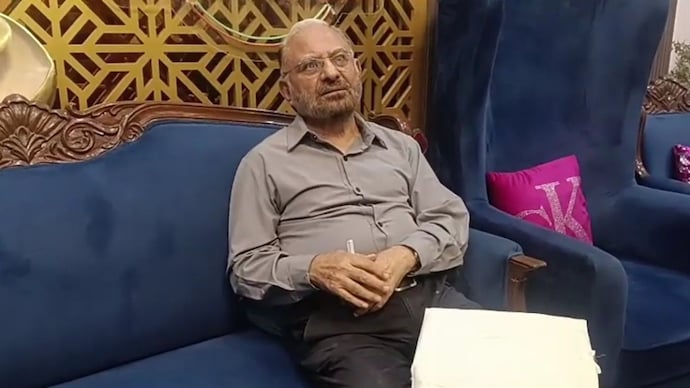
The victim has been identified as Dr. Khurshid Murad Siddiqui, who runs a traditional medicine clinic in Bareilly. According to the account of the incident, the fraudsters contacted him over the phone and alleged that his name had surfaced during the interrogation of an arrested terror accused. They further claimed that an arrest warrant had already been issued against him, attempting to create intense psychological pressure through accusations linked to national security.
Fraudsters Allege Terror Links
During the call, the impersonators told Dr. Siddiqui that his Aadhaar details were misused to open a bank account in West Bengal, through which Rs 2.5 crore was allegedly sent to terrorist organizations. By linking the fabricated bank account to an ongoing terror investigation, the callers sought to convince the physician that he faced imminent legal action.
The scammers repeatedly cited the alleged interrogation of a terror suspect and the purported arrest warrant to intimidate the doctor. Their approach relied on invoking serious criminal charges so that the victim would comply with their instructions out of fear of arrest and public disgrace.
Overnight Surveillance Under Digital Arrest
To maintain control over the situation, the cyber criminals forced Dr. Siddiqui to remain connected on video calls overnight under the guise of an official investigation. In this form of digital arrest, fraudsters keep victims isolated on video calls, prevent them from speaking with family members or acquaintances, and sustain the threat of immediate arrest.
Dr. Siddiqui was subjected to the same tactic through the night. The objective of the callers was to keep him under constant pressure so that he would not seek advice from anyone else and would eventually transfer money as demanded by them. The gravity of the terror allegations and the threat of a warrant added to the severity of the intimidation.
Timely Police Intervention Prevents Loss
Despite the sustained coercion, the fraudsters could not execute the financial transfer because the police intervened in time. Prompt action by law enforcement saved the physician from suffering a major monetary loss and brought the overnight ordeal to an end.
The Bareilly incident highlights how cyber criminals are expanding their methods of intimidation. Rather than posing only as bank representatives, local police personnel, or Central Bureau of Investigation officials, scammers are increasingly invoking terrorism, money laundering, and narcotics cases to frighten victims. In such scams, callers frequently fabricate arrest warrants and investigative notices while keeping targets under video surveillance.
Police and cyber crime officials emphasize that no legitimate law enforcement or investigative agency conducts digital arrests over video calls or demands money transfers during an inquiry. Authorities advise citizens not to panic upon receiving such calls, to disconnect immediately, and to report the matter to the local police or cyber crime unit.