
Follow us on Google News

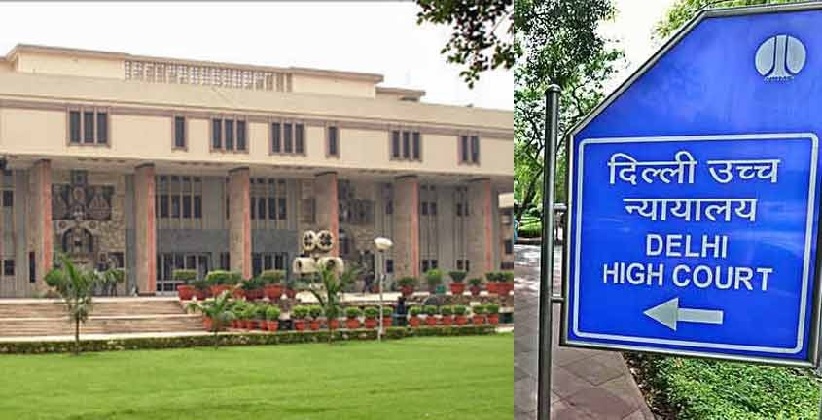
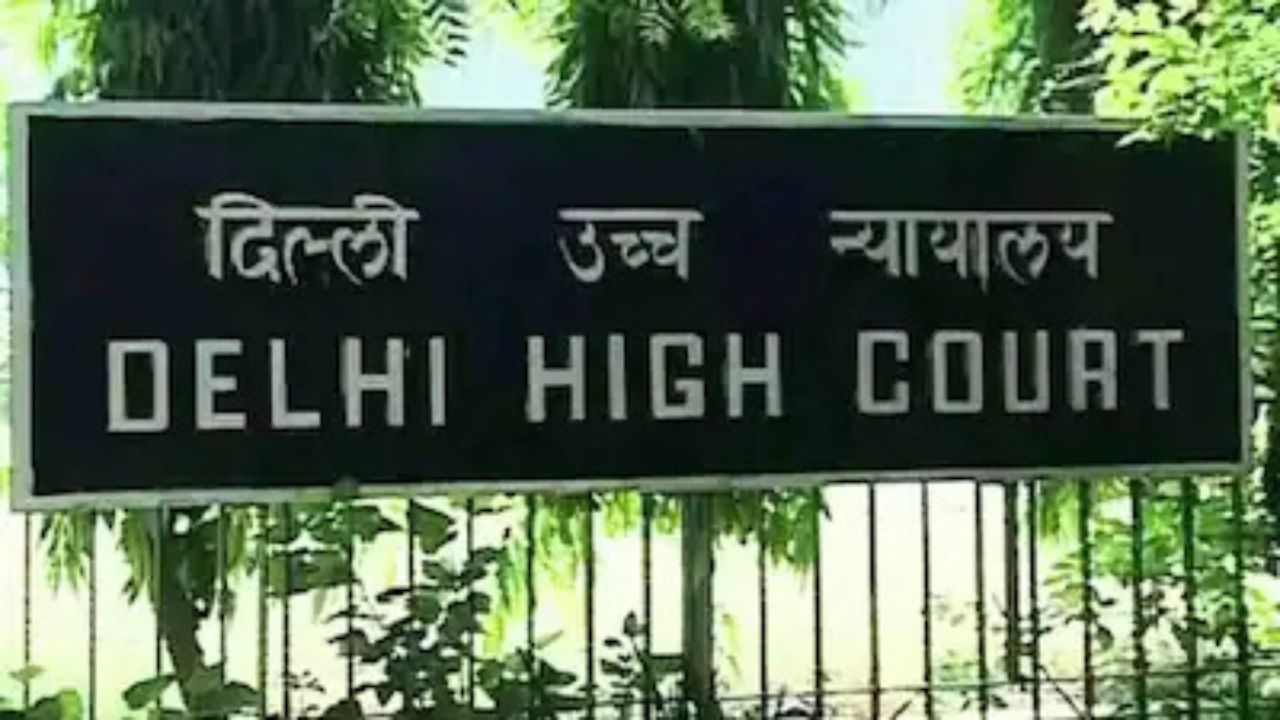
E-commerce platform Meesho has come under scrutiny over allegations of counterfeit and unauthorised branded products being sold through its marketplace, with the Delhi High Court directing the company to remove listings that allegedly infringed the registered trademark of American apparel brand Jockey.
The court’s intervention followed a complaint by Jockey that products bearing deceptively similar names were being offered for sale through Meesho and other online platforms. The company alleged that the listings could mislead consumers into believing they were purchasing genuine branded merchandise.
The dispute has brought attention to concerns over counterfeit goods in online marketplaces, particularly the responsibility of e-commerce platforms to address trademark infringement complaints and identify sellers offering potentially unlawful products.
FCRF Launches Certified Chief Risk Officer (CRO) Program for India’s Risk Leaders
Why Did the Delhi High Court Order Meesho to Remove Jockey Products?
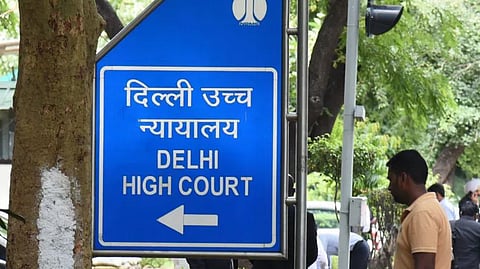
The Delhi High Court, in an interim order passed on May 29, 2026, directed Meesho to remove listings of products allegedly infringing Jockey’s registered trademark.
Justice Jyoti Singh observed that Jockey had established a prima facie case of trademark infringement involving products sold under names resembling its registered brand.
The disputed names included JOYKE, JOYEBEE, JOYESS and JOJOKE, which Jockey alleged were deceptively similar to its trademark.
“The impugned marks are prima facie deceptively similar to JOCKEY, the registered trademark of the Plaintiff,” the court observed.
The bench noted that the disputed products belonged to the same category as Jockey’s merchandise and were being sold through similar commercial channels, creating a possibility of consumer confusion.
Jockey had discovered the allegedly infringing listings during an online search conducted in January 2026.
Its subsequent private investigation also found that one of the companies involved was attempting to register a trademark that Jockey considered infringing.
According to the company’s submissions, a cease-and-desist notice sent to the concerned business did not result in the alleged infringement being stopped.
Jockey also told the court that Meesho had declined to remove the disputed listings without a judicial direction.
After considering the submissions, the High Court granted an ex parte interim injunction restraining the concerned businesses from manufacturing, marketing or selling products under marks allegedly infringing Jockey’s trademark.
What Did the Court Direct Meesho to Disclose?
Apart from ordering the removal of the disputed listings, the Delhi High Court directed Meesho to block the relevant product URLs within 36 hours of receiving the order.
The court also instructed the platform to provide information identifying the sellers associated with the allegedly infringing products.
The required records included Know Your Customer (KYC) details, registered addresses, mobile phone numbers, Unified Payments Interface (UPI) information, transaction records and internet protocol (IP) logs.
Meesho was directed to furnish these details within four weeks of the order.
The directions were intended to help identify the businesses operating behind the disputed listings and facilitate further proceedings concerning the alleged trademark violations.
The court’s observations were made at the interim stage, with the question of infringement subject to further judicial consideration.
The matter was scheduled for its next hearing on September 24, 2026.
What Do Counterfeit Product Allegations Mean for Online Marketplaces?
The Jockey proceedings form part of wider concerns surrounding the availability of allegedly counterfeit and unauthorised branded merchandise through online shopping platforms.
Questions have also been raised over complaints involving other brands, including Sun Pharma, concerning suspected trademark infringement and imitation products.
Such allegations have increased scrutiny of the mechanisms used by e-commerce marketplaces to verify sellers, address complaints from trademark owners and prevent misleading product listings.
Online marketplaces frequently allow independent merchants to advertise and sell products through their platforms. Disputes arise when sellers allegedly use established brand names, logos or deceptively similar trademarks without authorisation.
For consumers, the sale of imitation products under names resembling established brands can create confusion about the origin and authenticity of merchandise.
The Delhi High Court’s directions in the Jockey case demonstrate the role of judicial intervention in requiring the removal of disputed listings and the disclosure of information needed to identify sellers.
The case also highlights the importance of maintaining verifiable seller records and responding to complaints concerning potential trademark violations.
While the allegations concerning individual sellers remain subject to legal proceedings, the court’s interim order places renewed attention on marketplace accountability and the protection of consumers and trademark owners in India’s expanding e-commerce sector.
About the author — Suvedita Nath is a science student with a growing interest in cybercrime and digital safety. She writes on online activity, cyber threats, and technology-driven risks. Her work focuses on clarity, accuracy, and public awareness.