

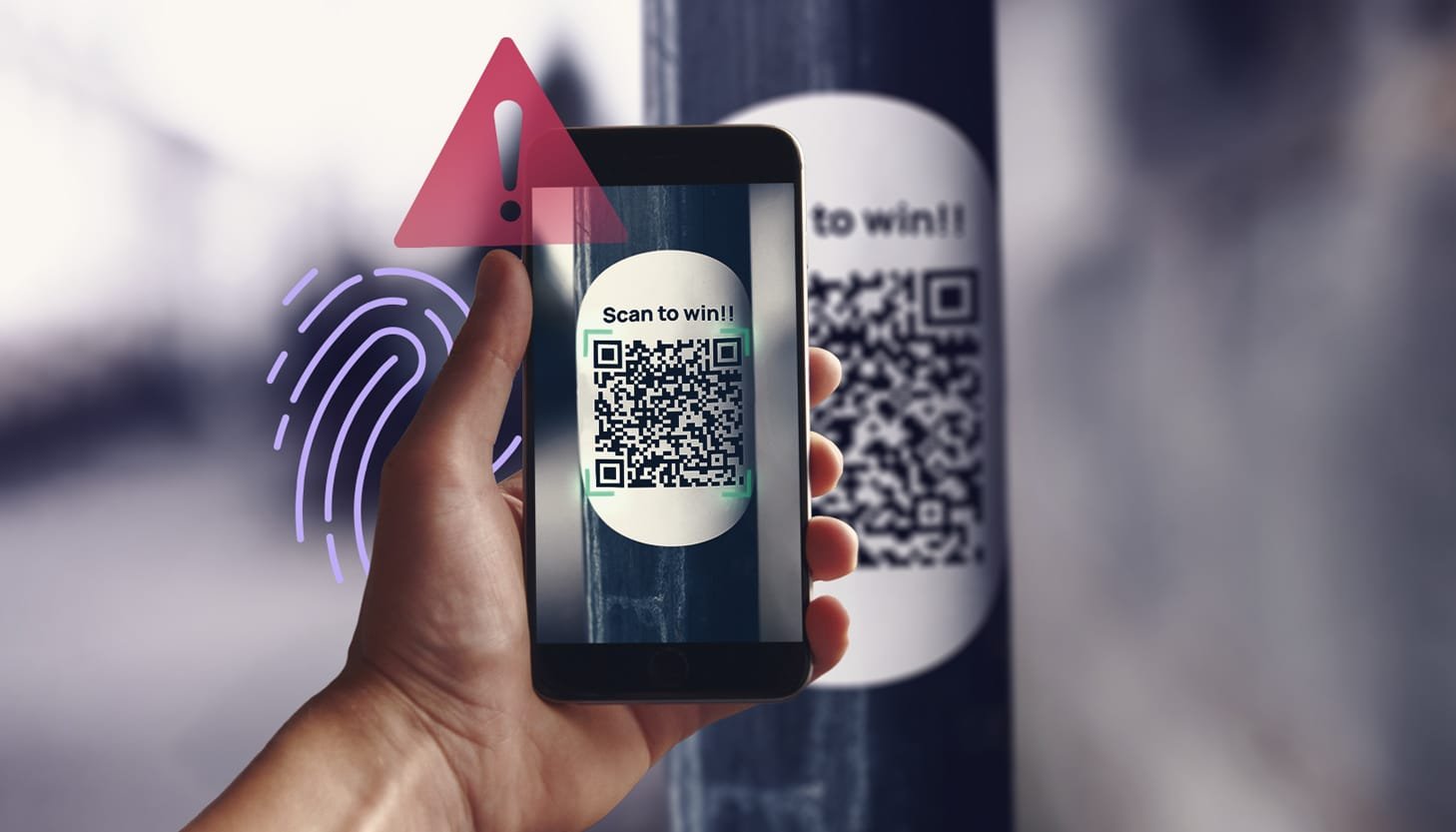

Connected vehicle service kiosks are rapidly emerging as prime targets for cybercriminals seeking to exploit everyday drivers across automotive networks. Threat actors deploy a tactic known as quishing by affixing fraudulent QR code stickers over legitimate machine interfaces to harvest sensitive customer credentials and banking data.
By manipulating physical hardware installed at auto dealerships and service centers, bad actors are converting routine vehicle check-ins into highly lucrative digital entry points. This physical tampering allows attackers to bypass traditional network defenses before a driver even steps foot inside the building.
Understanding Quishing and Physical-to-Digital Exploits
To fully understand this emerging threat vector, it is essential to examine how physical infrastructure vulnerabilities intersect with modern digital exploitation. Quishing, a combination of QR code and phishing, represents a cyberattack methodology where bad actors physically manipulate, cover, or replace legitimate matrix barcodes with malicious alternatives to secretly redirect scanning devices to spoofed web environments.
Within automotive ecosystems, connected vehicle kiosks operate as automated self-service digital hubs deployed throughout dealerships, rental facilities, and repair centers. These terminal stations enable customers to handle complex interactions, including service scheduling, digital key drop-offs, vehicle diagnostics retrieval, and invoice payment processing.
When cybercriminals apply fraudulent QR stickers onto these machines, they execute a physical-to-digital breach. They leverage simple physical tampering to bypass digital security controls and systematically harvest financial credentials or personal identification data.
Algoritha Security Launches ‘Make in India’ Cyber Lab for Educational Institutions
How Fraudulent QR Code Stickers Hack Unsuspecting Drivers
The core effectiveness of a quishing campaign lies in its ability to weaponize the inherent trust consumers place in established physical environments. Drivers pulling into a franchised auto dealership naturally assume that the surrounding physical infrastructure is secure, monitored, and authentic.
Threat actors exploit this cognitive blind spot by adhering paper or vinyl QR code stickers directly over original printed codes or placing official-looking instructional signage nearby. Because the physical kiosk appears intact, customers routinely scan the modified barcode using their mobile devices without a second thought.
The smartphone browser is then silently routed to an unauthorized web destination meticulously designed to replicate the branding, layout, and domain structure of the vehicle manufacturer. Once on the fake platform, users are prompted to enter administrative passwords or credit card details, which are instantly captured and exfiltrated to offshore command servers.
Why Connected Vehicle Service Hubs Are Becoming Prime Targets
As the global automotive market accelerates toward complete digitization, self-service kiosks have shifted from peripheral conveniences to centralized operational nodes processing sensitive financial and telematics data. Automotive service hubs deploy these automated systems to handle high-volume customer intake, manage key drop-off lockers, and streamline invoice settlement without requiring manual staff intervention.
This operational efficiency makes kiosks exceptionally lucrative targets for cybercriminals, as visitors interacting with these terminals are actively prepared to execute high-value digital transactions and input confidential ownership records. Because users arrive at the physical location expecting to verify their identities and complete payments, their psychological defenses are significantly lowered.
Redirecting a customer from a trusted physical dealership environment into a deceptive digital trap allows attackers to systematically harvest credentials before the victim recognizes a breach. This seamless handoff between physical trust and digital deception ensures high victim conversion rates for scam operators.
Mitigating Threats Across the Physical-to-Digital Infrastructure
Defending connected automotive infrastructure against physical-to-digital vectors mandates a multi-layered security strategy that extends beyond standard software firewalls and cloud encryption protocols. Cybersecurity experts emphasize that user-facing physical hardware—including interactive touchscreens, external housing panels, and scan points—requires the same rigorous monitoring as internal databases.
Kiosk operators and dealership managers must establish mandatory physical inspection schedules while deploying tamper-evident sticker seals over legitimate QR codes. They must also clearly display authorized web domain names directly on terminal chassis so drivers can cross-check destination links.
Furthermore, mobile operating system developers and connected vehicle software platforms are being urged to integrate automated domain-verification mechanisms. These tools analyze scanned URLs in real time and alert users whenever a barcode attempts to route them to an unverified or high-risk third-party web location.
What this means for you: Always inspect physical QR codes on vehicle kiosks for stickers or tampering, and double-check the URL in your browser before entering sensitive information. If a kiosk scan redirects you to an unfamiliar domain or asks for unexpected payment details, cancel the session immediately and inform dealership staff.
Follow for daily updates on cybercrime, corporate fraud, DFIR, hacking, investigations, and digital forensics
