

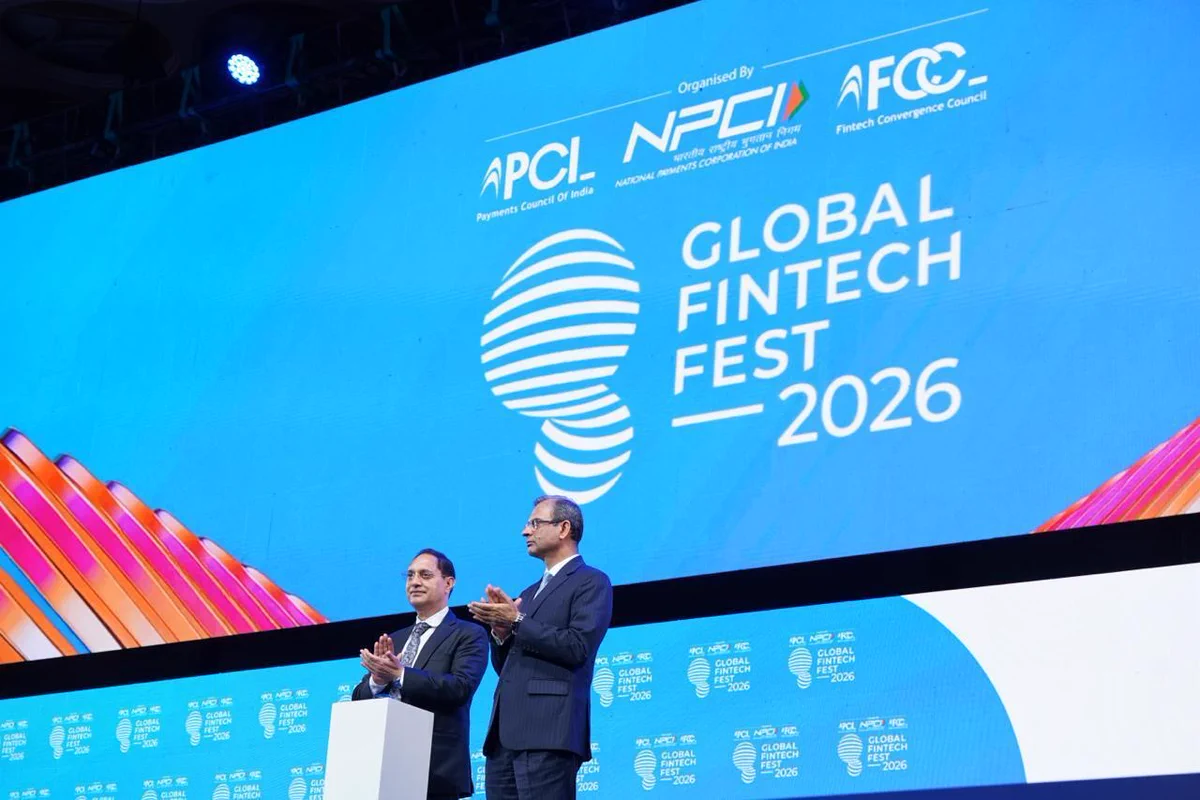

SEBI and the Reserve Bank of India have launched a pilot project called Demat 2.0 to test the issuance, holding, trading and settlement of corporate bonds using distributed ledger technology.
The pilot was announced by RBI Governor Sanjay Malhotra and SEBI Chairman Tuhin Kanta Pandey at the Global Fintech Fest in Mumbai on September 10. Three companies have already issued tokenised bonds worth a combined ₹1,025 crore under the first phase.
REC Limited was the first issuer, raising ₹500 crore from 18 investors on September 7. Larsen & Toubro followed with another ₹500 crore issue on September 9, while IIFL raised ₹25 crore from one investor the same day.
Proposal for Conducting Cyber Crisis Drill, Tabletop Exercise (TTEx) & CCMP Readiness Exercise
Bonds move to a distributed ledger, not a new asset class
Demat 2.0 does not create a new type of investment.
The corporate bond remains legally the same security, with the same issuer obligations, coupon, maturity, credit rating and investor rights. What changes is the technology used to record ownership and settlement.
Under the pilot, the bond itself is created as a digital token on a private, permissioned distributed ledger operated by market infrastructure institutions.
The depositories remain the official record keepers, and investors do not have to manage blockchain keys or specialised technology themselves.
This is an important distinction because tokenisation is often associated with cryptocurrencies.
SEBI’s model is different. The token represents a regulated corporate bond, not a separate crypto asset, and the existing securities-law framework continues to apply.
Digital rupee enables near-instant settlement
The biggest operational change comes in settlement.
Demat 2.0 is connected to the RBI’s wholesale central bank digital currency, or e₹, through the RBI’s Unified Market Interface. This allows the bond and the payment to move together in what regulators call atomic settlement.
In simple terms, either both sides of the trade happen or neither does.
If the securities are transferred, the money is transferred at the same time. If one side fails, the other does not go through.
This reduces the period during which one party may have delivered money or securities but is still waiting for the other side to complete its obligation.
SEBI says this could reduce counterparty risk and improve efficiency in securities-market settlement.
What tokenisation, DLT and smart contracts mean
Distributed Ledger Technology, or DLT, is a system where the same transaction record is maintained across multiple authorised participants rather than in a single conventional database.
In this pilot, the network is private and permissioned. That means only approved institutions can operate or access the relevant parts of the system.
Smart contracts are automated instructions written into the digital bond.
Key terms such as coupon payments, payment dates and redemption conditions can be encoded into the token. This allows some corporate actions to be processed automatically instead of requiring repeated manual instructions between institutions.
Investors will not need to open a completely new demat account.
Demat 2.0 will function as an extension of the existing account, using the investor’s current KYC. Participants will, however, need access to a wholesale CBDC wallet through a participating bank for settlement.
Retail investors could be added in the next phase
The pilot is being rolled out in stages.
The first stage focuses on tokenised corporate-bond issuance through existing electronic bidding platforms and is initially aimed at institutional investors.
The second stage is expected to introduce secondary-market trading through existing RFQ and OTC systems and extend access to retail investors.
The third stage could allow more regulated institutions, including credit-rating agencies and depository participants, to connect to the network. SEBI may also consider bringing other financial instruments onto the infrastructure later.
Until full secondary trading is enabled, SEBI has provided for an interim peer-to-peer or demat-to-demat transfer mechanism so investors are not necessarily locked into the bonds.
India joins global push to tokenise financial markets
India had signalled the move in August, when Reuters reported that REC was preparing the country’s first tokenised corporate-bond issue under a joint RBI-SEBI pilot.
Other financial centres, including Hong Kong and Switzerland, have also experimented with tokenised bonds and distributed-ledger settlement.
India’s model stands out because it is being built directly into the regulated depository and central-bank infrastructure rather than relying on a private crypto platform.
SEBI is running the pilot through its regulatory sandbox, which allows limited testing of new market infrastructure before a wider regulatory framework is considered.
The experiment will test not only speed but also cybersecurity, scalability, auditability, settlement finality and the role of exchanges and depositories.
For India’s bond market, the real test will be whether the technology can reduce settlement friction without creating new operational or cyber risks.
What this means for you: Retail investors are not the main participants in the first stage, but later phases could allow them to hold and trade tokenised bonds through existing demat accounts. The investment risk of the bond itself will still depend on the issuer’s credit quality, not on the tokenisation technology.
Follow for daily updates on cybercrime, corporate fraud, DFIR, hacking, investigations, and digital forensics
