

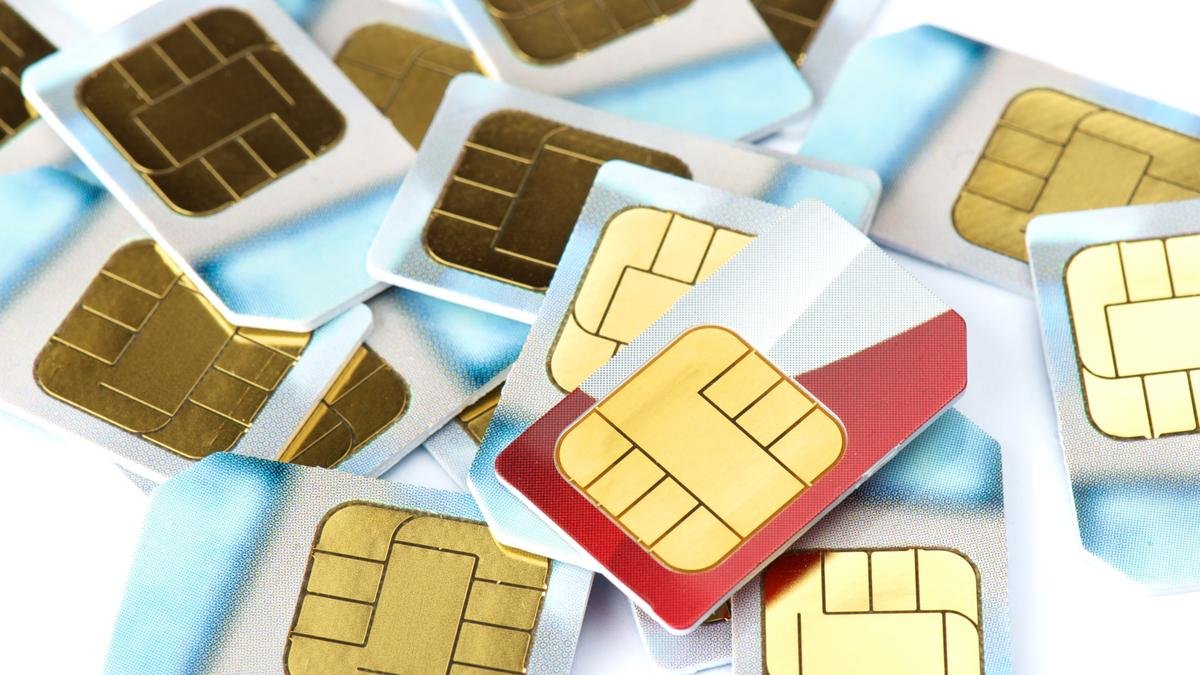

Sambalpur Cyber Police have arrested three people for allegedly misusing customers’ identity documents to generate additional mobile SIM cards and selling them to third parties, including suspected cybercrime operators.
The arrested accused have been identified as Suraj Bag, 24, Malati Oram alias Mala, 29, and Sheikh Parvez alias Papu, 32. Police seized 120 sealed Airtel SIM cards, four mobile phones, four active SIMs, bank documents and other material during the operation.
The case was registered at Sambalpur Cyber Police Station on September 22. Investigators say some SIM cards generated through the alleged racket were subsequently used in cybercrime cases linked to Jharkhand’s Jamtara region.
Proposal for Conducting Cyber Crisis Drill, Tabletop Exercise (TTEx) & CCMP Readiness Exercise
Customer documents allegedly used to create extra SIM cards
According to police, the suspects allegedly used identity documents supplied by legitimate telecom customers to generate multiple mobile connections.
The customer would receive the connection they had actually requested, while additional SIM cards allegedly created using the same documents were retained and later sold to other people.
This can create a serious problem for the genuine customer.
A mobile number used in fraud may appear in telecom records against the identity of someone who had no knowledge that the additional connection existed.
Police are now trying to establish how many customer identities were allegedly misused and how many SIM cards had already left the network before the arrests.
One local report said investigators suspect the accused misused access linked to telecom corporate portals and Global IDs during the activation process. That technical allegation is part of the ongoing police investigation and has not yet been independently established.
Police probe alleged Jamtara connection
Investigators say some SIM cards generated through the network were being used for cybercrime in the Jamtara area of Jharkhand.
Police are now examining who obtained the cards and whether they were subsequently used for phishing, online financial fraud or other offences.
Jamtara has repeatedly featured in Indian cybercrime investigations, but a geographical link alone does not prove that every SIM supplied there was used in fraud.
Investigators will need activation records, call-data information and evidence from individual cybercrime complaints to establish where each number was ultimately used.
The420.in recently reported a separate investigation in Bihar where villagers’ Aadhaar and biometric details were allegedly used to obtain SIM cards later connected with numerous cybercrime complaints. That case involved 96 numbers linked to 159 complaints and hundreds of SIMs recovered during operations in Nawada and Sheikhpura.
The Sambalpur case is separate, but both investigations highlight the role of fraudulently obtained mobile connections in concealing the identities of cybercriminals.
120 sealed SIM cards and banking records seized
Police recovered 120 sealed Airtel SIM cards during the Sambalpur operation.
Reports also list four mobile phones, four active SIM cards, three bank passbooks, a cheque book, Aadhaar documents, a PhonePe QR scanner, affidavits, a house-rental agreement, Airtel promotional material and four Airtel 5G Plus signboards among the seized items.
The presence of sealed SIM cards should not automatically be interpreted to mean that all 120 had already been activated.
Police are separately examining records to determine how many connections were actually generated, which identities were used and how many cards had already been supplied before the raid.
Banking material recovered during the operation is also being analysed to trace payments allegedly made for the SIM cards.
Police said proceeds from their sale were allegedly shared among people involved in the network.
Why fraud networks need SIM cards in other people’s names
Mobile numbers are an important part of most cybercrime operations.
Fraudsters may need them to create WhatsApp or Telegram accounts, call victims, receive OTPs, register online accounts or maintain temporary communication channels.
Using a SIM registered in someone else’s name can make the first stage of an investigation more difficult.
When police trace a fraudulent call, telecom records may initially point to the innocent person whose KYC documents were used rather than the individual actually controlling the number.
That is why illegally issued or pre-activated SIM cards have become valuable infrastructure for organised cybercrime networks.
The Department of Telecommunications has introduced systems such as Sanchar Saathi to help users check mobile connections issued in their names and report numbers they do not recognise.
Accused booked under BNS and IT Act
The Sambalpur case has been registered as Cyber Police Station Case No. 34 of 2026.
Local reporting says the accused face provisions including Sections 319(2), 336(3), 340(2), 61(2) and 3(5) of the Bharatiya Nyaya Sanhita, along with Sections 66C and 66D of the Information Technology Act.
Sections 66C and 66D broadly deal with identity theft and cheating through personation using computer resources.
The charges remain allegations at this stage and will have to be established through investigation and court proceedings.
Police are now trying to identify other members of the network, trace the people who purchased the SIM cards and determine the total amount of money generated through the alleged operation.
What this means for you: Check periodically whether unknown mobile numbers have been issued using your identity documents. If a telecom connection appears in your name that you never requested, report it promptly through official telecom channels and preserve any KYC or dealer records connected with the suspicious activation.
Follow for daily updates on cybercrime, corporate fraud, DFIR, hacking, investigations, and digital forensics
