
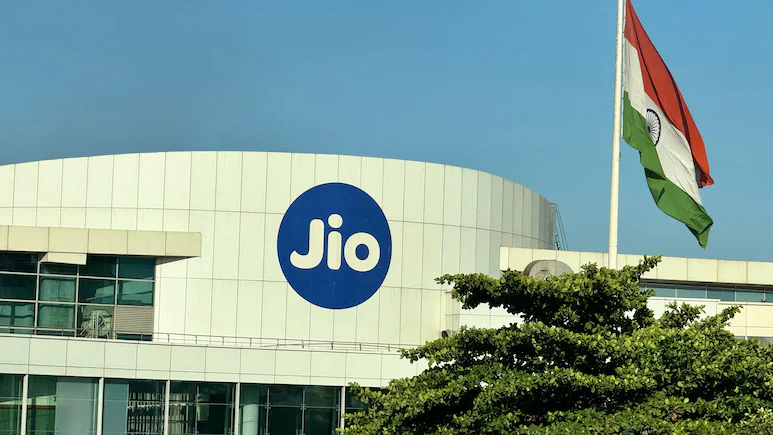
Reliance Jio Infocomm Limited has denied any involvement in allegations linked to a reported Border Gateway Protocol routing disruption affecting Telegram, after the messaging platform’s founder Pavel Durov suggested that a Reliance-linked entity may have interfered with access to the service outside India. The company said its network was not involved in any such incident and continued to operate in line with global routing practices.
In a statement shared on social media platform X, Jio said recent posts had led to speculation about its network operations and a purported BGP route misconfiguration. The company categorically rejected any connection to the reported disruption and said its systems had not affected Telegram traffic.
FCRF’s Flagship Cyber Law Certification Returns With a New Four-Week Cohort
Jio Rejects Misconfiguration Claim
Reliance Jio said it had not been involved in any BGP route misconfiguration linked to the controversy. The company stated that its network follows global internet routing standards and maintains benchmarks of reliability, security and transparency.
The clarification came after Durov publicly alleged that a Reliance-linked entity was “sabotaging access” to Telegram for users outside India, including in regions such as the United Arab Emirates. He attributed the alleged disruption to a suspected BGP hijacking event.
BGP hijacking refers to a routing-level incident in which internet traffic routes can be altered or misdirected, potentially affecting access to online services. Industry analysts note that such incidents are technical in nature and require detailed network analysis before responsibility or intent can be established.
Confusion Over Reliance Entity Cited
Industry sources cited in reports suggested that Durov may have confused Reliance Communications with Reliance Jio Infocomm Limited. According to a senior telecom sector source, the autonomous system number referenced in the allegation is associated with Reliance Communications, which is not part of Reliance Industries Limited.
The clarification has added another dimension to the controversy, as experts say misattribution of network identifiers can occur in complex routing disputes involving multiple service providers and infrastructure layers.
The source also noted that Meta Platforms, which owns WhatsApp, is only a minority investor in Jio Platforms and does not participate in operational management or the day-to-day functioning of the telecom network.
Telegram Scrutiny Adds Wider Context
The episode has unfolded at a time when Telegram is facing increased regulatory and security scrutiny in India. Authorities have reportedly taken steps involving major technology companies, including Apple and Google, asking them to remove the application temporarily from their app stores until June 22 as part of measures linked to the NEET-UG re-test process.
Industry analysts say even minor BGP misconfigurations can sometimes cause temporary traffic disruption or misrouting, but attributing such events requires forensic examination of routing data and coordination among network operators.
Reliance Jio reiterated that it continuously monitors its infrastructure to prevent network misconfiguration or unauthorised routing changes. The matter has drawn attention in telecom and cybersecurity circles, but no public technical investigation has confirmed the claims made by Durov. Jio has maintained that its network operations remain stable, compliant and unaffected by the reported incident.
