

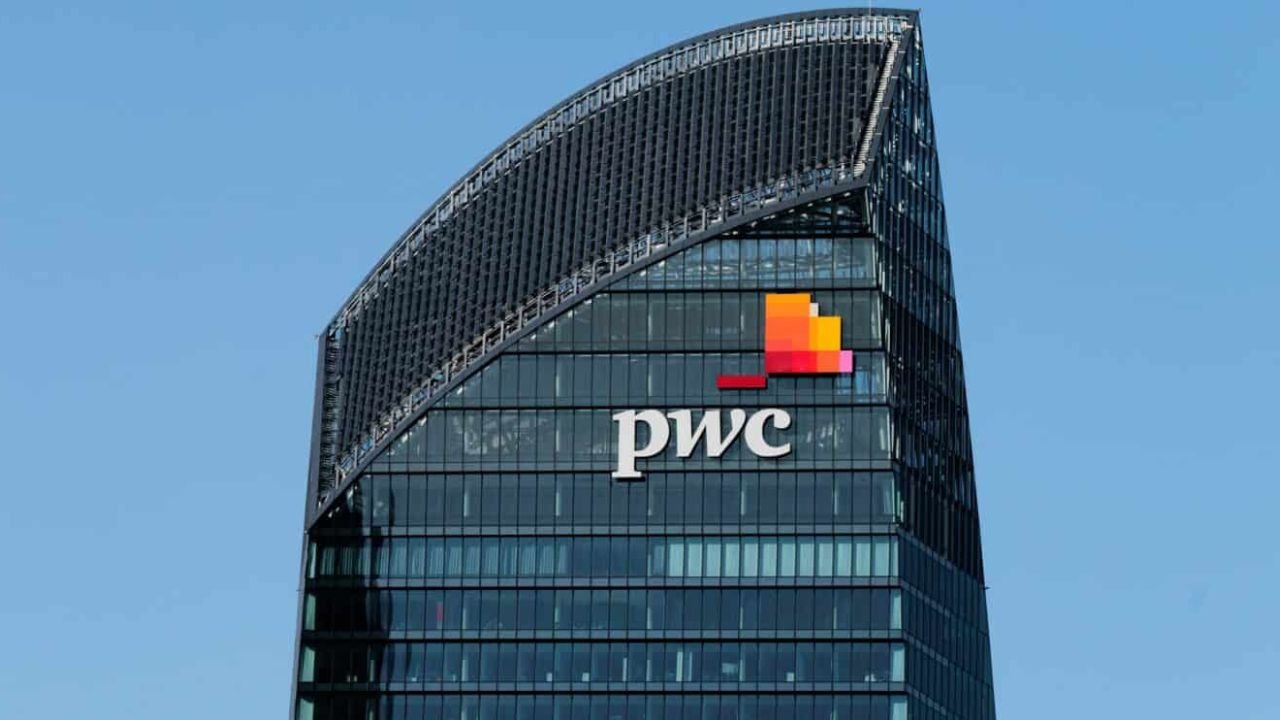

Hong Kong | In a major development tied to one of the world’s largest real estate crises, PricewaterhouseCoopers (PwC) has agreed to pay approximately ₹1,562.2 crore (HK$1.3 billion) in fines and compensation in Hong Kong over deficiencies in its audit work. The action follows the collapse of Chinese property giant China Evergrande Group, an event that sent shockwaves across global financial markets.
An investigation by Hong Kong’s financial reporting regulator found serious shortcomings in PwC’s audit processes. In addition to the primary settlement, the watchdog imposed an extra ₹360.5 crore (HK$300 million) penalty. The firm has also been barred for six months from taking on new listed audit clients, marking one of the strongest regulatory actions against a global accounting firm in recent years.
FCRF Academy Launches Premier Anti-Money Laundering Certification Program
Audit failures exposed in Evergrande collapse
The enforcement action comes in the wake of the dramatic downfall of China Evergrande Group, once China’s largest real estate developer. Burdened by massive debt, the company’s financial instability eventually pushed it to the brink of collapse.
Regulators found that PwC failed to adequately identify and flag critical financial risks during its audits. These lapses delayed the recognition of Evergrande’s deteriorating financial condition, leaving investors and stakeholders exposed to significant financial losses.
Regulatory crackdown sends strong message
The penalties imposed on PwC are being viewed as a strong signal to the global auditing industry. Authorities in Hong Kong emphasized that auditors play a crucial role in maintaining financial transparency and must uphold the highest standards of diligence and accountability.
The six-month restriction highlights a shift in regulatory approach—moving beyond financial penalties to operational consequences. While PwC can continue servicing existing clients, the inability to onboard new listed companies is expected to impact its business pipeline and market position.
Global implications and tighter oversight
As one of the “Big Four” accounting firms, PricewaterhouseCoopers’s involvement has drawn international attention. Experts believe the case could trigger stricter audit regulations and compliance requirements worldwide.
Particularly in sectors with high financial risk, such as real estate and infrastructure, audit firms may now face increased scrutiny. The case underscores the growing expectation that auditors act as a critical safeguard against corporate misreporting.
China’s property crisis at the center
The collapse of China Evergrande Group has become a defining symbol of China’s ongoing property sector crisis. Years of excessive borrowing, declining sales, and weak financial oversight contributed to the company’s downfall.
The crisis has had far-reaching consequences beyond China, affecting global investors and financial institutions. Significant losses incurred by investors have intensified pressure on regulators to enforce accountability.
Reputational impact and need for reforms
Despite agreeing to the settlement, PwC is likely to face long-term reputational challenges. Questions surrounding audit quality and oversight may influence client trust and regulatory relationships across multiple jurisdictions.
Experts suggest that PwC will need to strengthen its internal compliance frameworks, risk assessment procedures, and audit methodologies to rebuild credibility and restore confidence in its operations.
A wake-up call for financial governance
The Evergrande audit controversy serves as a critical reminder of the importance of financial transparency and corporate governance. Auditors are not merely procedural entities—they are central to maintaining the integrity of financial systems.
Regulators have indicated that enforcement actions will continue in cases of professional lapses. The episode stands as a warning to the global financial ecosystem that accountability and transparency are non-negotiable in ensuring market stability.
