

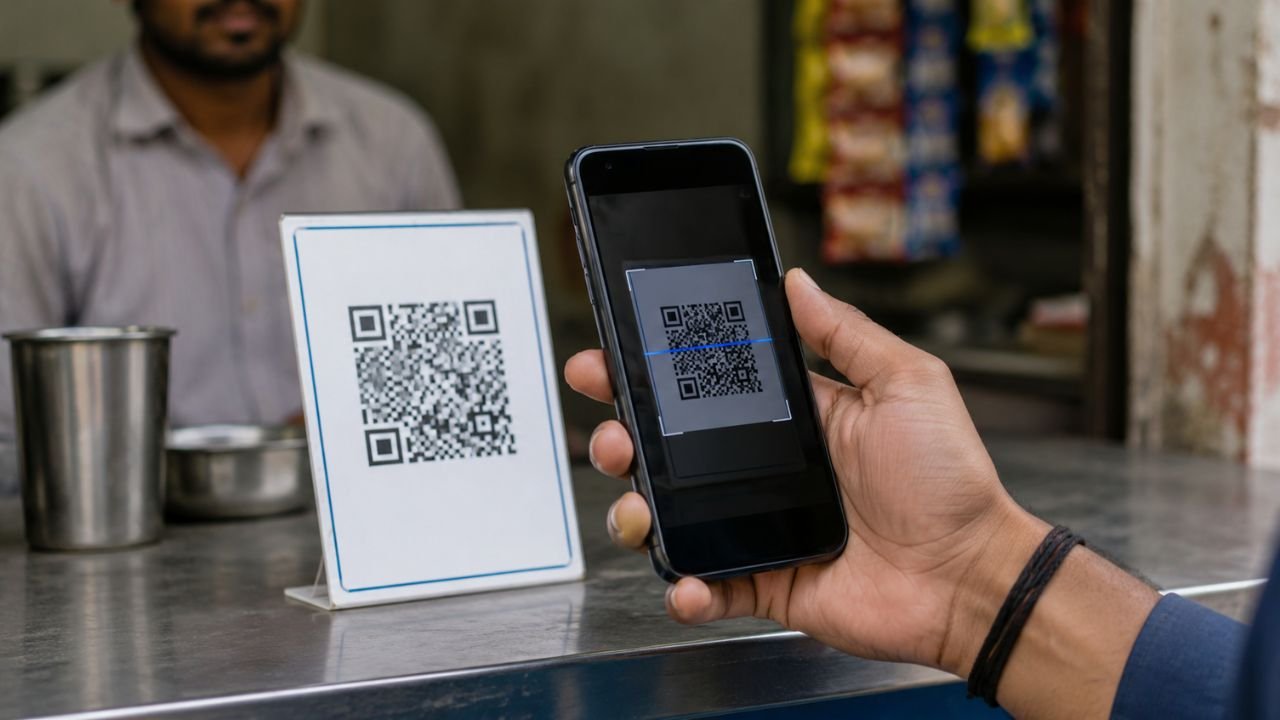

Prayagraj witnessed a striking case of cyber-enabled fraud where a street food vendor was cheated of nearly ₹99,000 after a customer used a carefully planned emotional and digital manipulation strategy involving Google Pay transactions. The incident took place in the Civil Lines area at a popular chole bhature stall located near a busy traffic junction, exposing yet another layer of vulnerability in small-scale digital payment ecosystems.
According to the complaint filed by the victim, a local shopkeeper running a modest food stall, the fraud began when a young man arrived at the shop and ordered chole bhature. After finishing his meal within minutes, the individual initiated a conversation claiming urgency related to a medical emergency involving a relative admitted to a hospital. He requested immediate financial assistance of ₹4,000, assuring the shopkeeper that the amount would be repaid in cash.
FCRF’s Flagship Cyber Law Certification Returns With a New Four-Week Cohort
Initially hesitant, the vendor eventually agreed after repeated emotional appeals and transferred ₹4,000 using a Google Pay QR code provided by the customer. This first transaction was part of a larger calculated scheme designed to build trust and create distraction. The accused then claimed he had left his wallet in a vehicle parked nearby and requested that an employee accompany him to retrieve it.
Relying on perceived urgency and goodwill, the shopkeeper allowed one of his staff members to go with the customer. This moment proved critical in the execution of the fraud. Within minutes, the accused managed to slip away from the area, allegedly using the opportunity to continue unauthorized access to the victim’s digital payment credentials.
Later in the evening, the shopkeeper noticed suspicious activity in his bank account linked to a digital payment application. Upon reviewing transaction alerts, he discovered that an additional ₹95,000 had been debited from his ICICI Bank-linked Google Pay account without authorization. The total loss amounted to ₹99,000, combining both the initial “help” transfer and subsequent fraudulent withdrawals.
Transaction records indicated that the funds were routed to a UPI handle linked to a name registered as “Rajeev Pandey,” raising concerns about whether the account was genuine or part of a larger mule account network used in cyber fraud operations. The victim immediately approached local authorities and filed a formal complaint, prompting the initiation of a cybercrime investigation.
Preliminary analysis suggests that the fraud was not a spontaneous act but a pre-planned digital scam involving psychological manipulation, diversion tactics, and possible exploitation of UPI-based transaction loopholes. Investigators are now examining the payment trail, device fingerprints, and beneficiary account details to trace the origin of the fraud network.
In a separate but similar incident reported in the same region, a retired merchant navy officer was allegedly cheated of ₹4.2 lakh through a fake online job investment scheme promoted via social media. The victim was lured with promises of high commissions for product-based work-from-home opportunities. Fraudsters reportedly created a fake investment dashboard showing inflated returns before blocking access once additional payments were demanded as “tax clearance.”
Cybersecurity experts note that such cases reflect a growing trend where criminals combine emotional manipulation with digital payment platforms to execute fast, low-risk frauds. Small business owners and informal sector workers remain particularly vulnerable due to limited awareness of digital transaction security protocols and real-time scam indicators.
Authorities have urged citizens to exercise caution while processing urgent money requests from unknown individuals, even in face-to-face interactions. They emphasized that UPI payments, once authorized, are difficult to reverse, making immediate verification essential before transferring funds under pressure.
Law enforcement agencies have launched a detailed probe into the Prayagraj case, focusing on identifying the beneficiary account holder and tracking whether the transaction is linked to a wider cyber fraud network operating across multiple states. Investigators are also examining whether similar scams have been reported in nearby districts using identical emotional deception techniques.
The incident highlights the evolving nature of cyber fraud in India, where traditional street-level trust is increasingly being exploited through digital payment systems, creating a hybrid model of crime that blends physical presence with financial technology manipulation.
