

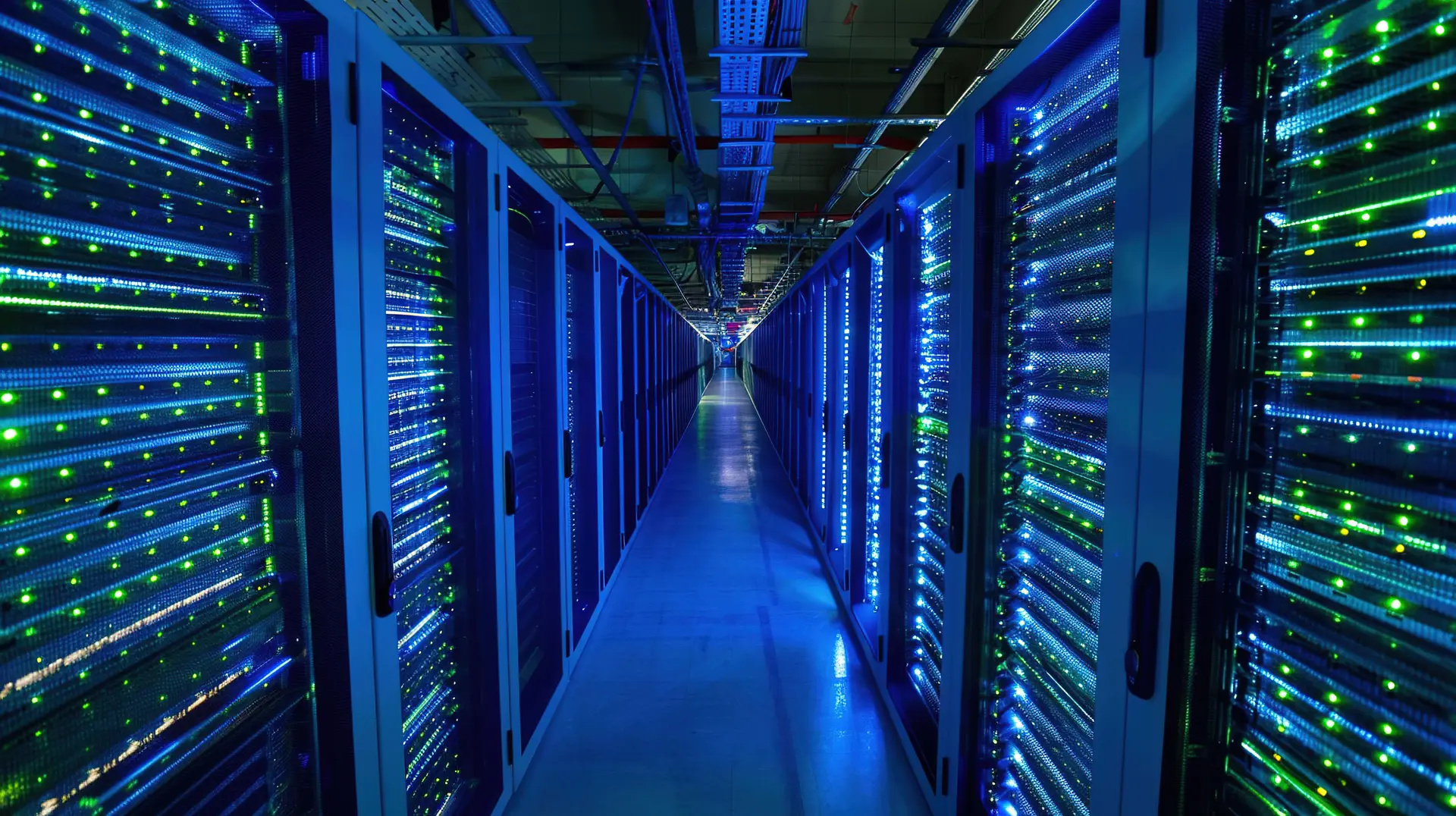

Odisha has approved 27 industrial projects worth ₹2.47 lakh crore across 15 districts, with data centres, artificial intelligence and digital infrastructure emerging as the largest source of proposed investment.
The projects were cleared at the 46th meeting of the state’s High-Level Clearance Authority chaired by Chief Minister Mohan Charan Majhi. Together, they represent proposed investment of ₹2,47,115.70 crore and are expected to create 50,162 jobs, according to state figures cited by the Times of India.
The approvals span data centres, AI, semiconductors, steel, renewable energy, power, lab-grown diamonds, chemicals, healthcare, textiles and advanced manufacturing.
Proposal for Conducting Cyber Crisis Drill, Tabletop Exercise (TTEx) & CCMP Readiness Exercise
Data centres account for nearly ₹1.43 lakh crore
Digital infrastructure dominated the latest round of approvals.
Four projects in the data-centre and IT ecosystem account for nearly ₹1.43 lakh crore, making the sector the largest component of the package.
High Density Datacentre Ltd plans to establish an integrated data centre in Khurda with an investment of ₹1,04,550 crore.
HCL Technologies has received approval for an AI-optimised data centre in the same district with proposed investment of ₹14,257 crore.
Sentraforge AI Ltd plans an AI data centre and global capability centre in Puri at an investment of ₹22,634 crore, while RKD Construction Pvt Ltd proposes a ₹1,500 crore data-centre project in Cuttack.
The size of these projects shows how Odisha is trying to move beyond its traditional strength in metals, mining and heavy industry into large-scale computing infrastructure.
Data centres supporting AI require substantial electricity, cooling, fibre connectivity and land, making them as much infrastructure projects as technology investments.
Power and renewable projects attract ₹54,288 crore
The next major investment block is power and renewable energy.
Projects worth ₹54,288 crore were approved in this segment. NLC India received clearance for two thermal power projects: a 3,200 MW plant in Deogarh and a 1,080 MW facility in Angul. Together, the projects involve more than ₹46,000 crore in proposed investment.
Two pumped-storage hydropower projects in Rayagada and Koraput were also approved.
The power additions are particularly relevant to Odisha’s digital-infrastructure ambitions because hyperscale data centres and AI computing facilities require large and reliable electricity supplies.
Odisha’s strategy is therefore developing on two tracks: attracting computing infrastructure while simultaneously expanding energy capacity that can support it.
Semiconductor and advanced manufacturing projects also cleared
The state also approved investment in semiconductor-related manufacturing.
SICSEM Pvt Ltd plans to establish a silicon carbide wafer and gallium nitride manufacturing facility in Khurda with an investment of ₹2,078 crore.
Both materials are increasingly important in high-power electronics, electric vehicles, renewable-energy systems and advanced industrial applications.
The approval follows Odisha’s recent push at SEMICON India 2026, where the state said it had received semiconductor-sector investment proposals worth ₹23,600 crore and outlined plans for an 870-acre technology hub at Naraj near Cuttack.
Aare Solar also received approval for a battery energy-storage assembly plant in Nuapada, while Larsen & Toubro secured approvals for green-energy equipment manufacturing and advanced fabrication facilities in Ganjam.
Steel, lab-grown diamonds and green fuels add to mix
Traditional industry remains an important part of the package.
Rungta Mines and Shakambhari Ispat & Power together proposed investments of around ₹14,000 crore in Sundargarh. The projects are expected to generate about 17,000 jobs.
Five lab-grown diamond projects worth ₹10,680 crore were approved in Khurda and Ganjam, with projected employment of nearly 9,000.
A separate ₹3,000 crore project in Kendrapada will focus on green hydrogen, green ammonia, green methanol and sustainable aviation fuel.
Other approvals include Tata Steel’s ₹3,329 crore iron-ore grinding unit and slurry pipeline in Jajpur, a Grasim Industries chemical project in Ganjam, a textile mill in Kalahandi and a tyre manufacturing unit in Bhadrak.
Adani Foundation also received approval for a 1,000-bed multi-super-speciality hospital in Khurda involving ₹2,150 crore.
Approval does not mean all investment has already arrived
The ₹2.47 lakh crore figure represents projects approved by the state, not money already spent or assets already built.
Companies still have to secure land, environmental and other statutory clearances where required, arrange financing, construct facilities and begin operations.
That distinction is important in large investment announcements, particularly for data centres and energy projects that may take several years to become operational.
Odisha has been aggressively courting investment in recent months. The state government said earlier this month that investment proposals approved since the current administration took office had approached ₹10 lakh crore.
The latest approvals show that new-age sectors are now becoming a much larger part of that pipeline.
What this means for you: Odisha’s latest approvals show how AI growth is increasingly translating into physical infrastructure investment in India. Data centres, semiconductor plants, power projects and fibre networks are becoming closely linked parts of the same industrial strategy.
Follow for daily updates on cybercrime, corporate fraud, DFIR, hacking, investigations, and digital forensics
