

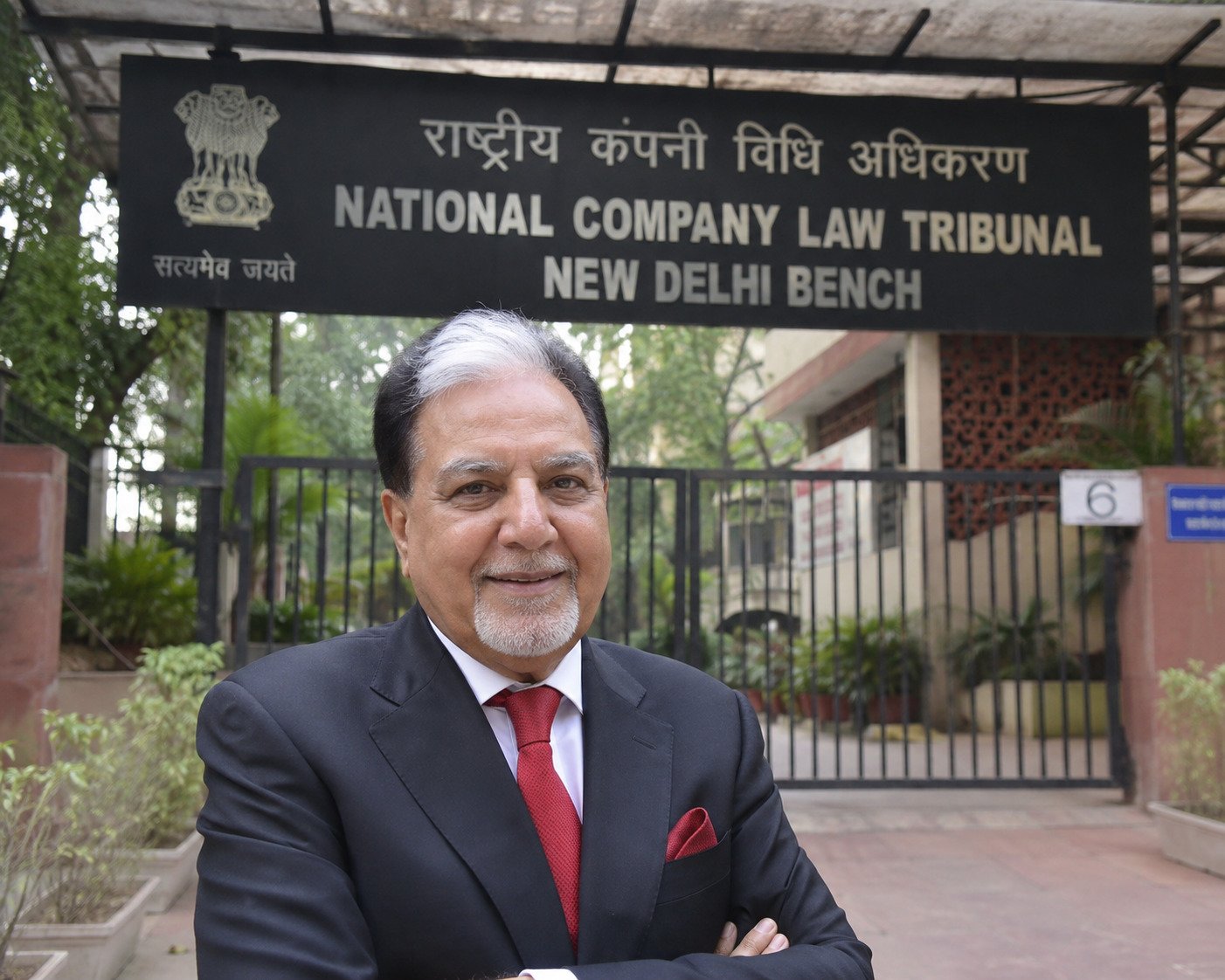
New Delhi: The National Company Law Tribunal (NCLT) has approved a ₹6.5-crore repayment plan to settle admitted claims of around ₹22,006.57 crore in the personal insolvency case involving Zee Group founder Subhash Chandra. Under the approved plan, creditors will receive only about 0.03% of their total admitted claims, resulting in a haircut of approximately 99.97%.
The approved plan will be binding on all creditors, including those who voted against it. The matter had earlier faced a deadlock after differences emerged between the two members of the original NCLT bench. To resolve the disagreement, the tribunal chairman appointed judicial member Nilesh Sharma as the third member. His decision resulted in approval of the plan by majority.
₹22,006 Crore Claims Against ₹6.5 Crore Payment
Under the repayment proposal, the total ₹6.5 crore will be utilised for settlement-related purposes. Of this, ₹6.25 crore will be distributed among creditors in proportion to their admitted claims, while ₹25 lakh has been earmarked for legal and other expenses associated with the insolvency process.
The scale of the potential loss for lenders can be seen from the claim of LIC Housing Finance, which stood at around ₹1,322.39 crore. Under the approved plan, the lender is expected to receive approximately ₹38.09 lakh, representing only a very small fraction of its admitted claim.
Algoritha Security Launches ‘Make in India’ Cyber Lab for Educational Institutions
LIC Housing Finance and Other Lenders Opposed the Plan
LIC Housing Finance, along with several other banks and financial institutions, had opposed the repayment proposal. The lenders argued that payment of only ₹6.5 crore against admitted claims of ₹22,006.57 crore was disproportionately low and would result in substantial financial losses for creditors.
However, the NCLT did not reject the proposal solely because of the low recovery amount. The tribunal considered several factors, including the voting pattern among creditors, the value of available personal assets and the likelihood of recovery if the proposal was rejected.
80.81% Voting Support Became Key Factor
The resolution plan received support representing 80.81% of the voting share before the NCLT. Creditors opposing the proposal held less than 20% of the voting rights.
The tribunal gave importance to the collective commercial decision of creditors under the insolvency framework. It also clarified that the NCLT’s role is not to substitute its own commercial judgment for that of the creditors, but to examine whether the resolution arrangement complies with the applicable legal framework.
Personal Assets Valued Below Proposed Payment
The NCLT’s detailed order referred to the report of the resolution professional, which indicated that the value of Subhash Chandra’s available personal assets was lower than even the amount proposed under the repayment plan.
According to the tribunal’s reasoning, rejecting the plan would not necessarily have resulted in substantial recovery for the dissenting creditors, given the limited value of the assets available for enforcement. This consideration played an important role in the decision to approve the proposal.
Dissenting Lenders Also Bound by the Plan
The NCLT made it clear that once the resolution arrangement receives legal approval, its provisions will apply to all relevant creditors. Therefore, banks and financial institutions that voted against the proposal will also remain bound by the approved plan.
The matter will now return to the original two-member bench for the final formal order. The implementation of the repayment arrangement will proceed after completion of the required formalities.
Vijay Mallya Takes a Dig at the Decision
Following the decision, businessman Vijay Mallya commented on the Subhash Chandra case on social media platform X. Drawing a comparison with his own case, Mallya claimed that banks and the government had stated that more than the outstanding loan amount had been recovered from him, while some major debt cases were being settled for only a fraction of the claims.
Mallya left India in 2016 following the debt controversy involving Kingfisher Airlines. Legal and recovery proceedings relating to his case have continued in India.
Decision Renews Debate Over Large Debt Recoveries
The approval of a ₹6.5-crore settlement against admitted claims of ₹22,006.57 crore has renewed debate over debt recovery and insolvency proceedings involving major borrowers. The case also highlights the challenge of balancing creditors’ recovery expectations with collective resolution when the borrower’s available personal assets are extremely limited.
Following the NCLT’s decision, the focus will now shift to implementation of the approved plan and completion of the remaining legal and procedural formalities.
