

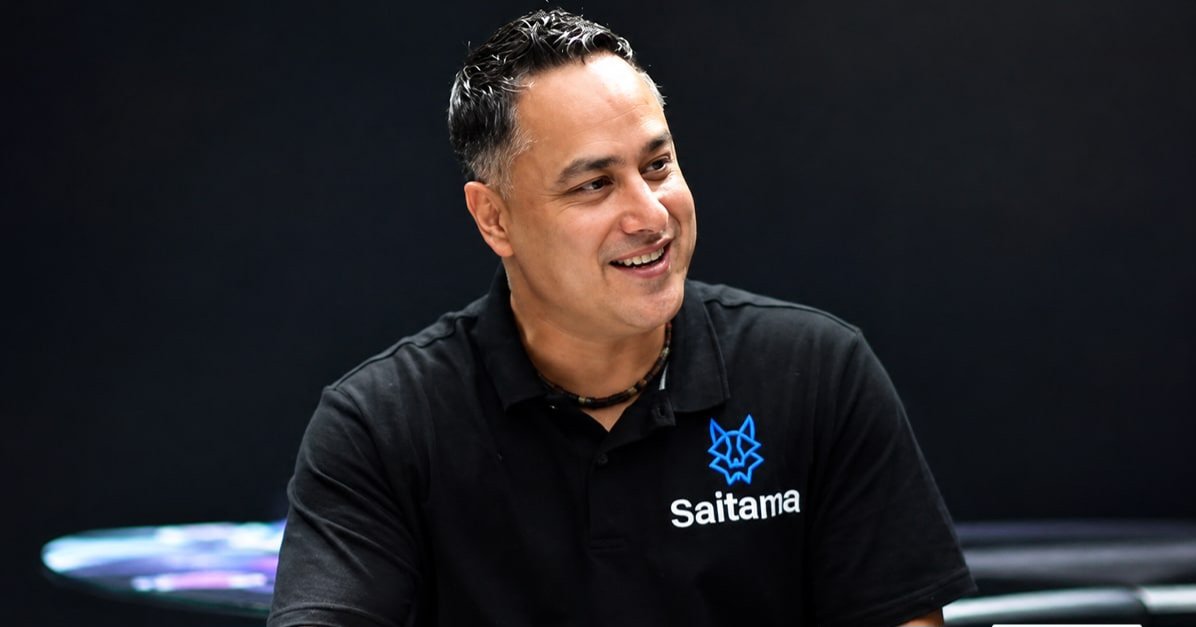
Indian-origin cryptocurrency executive and former Saitama CEO Manpreet Kohli has suffered a major setback in his extradition case, after a British court rejected his legal challenge against being sent to the United States. US authorities have accused Kohli of wire fraud and market manipulation in a case involving alleged losses of around ₹177 crore.
Kohli, 45, was arrested in London in 2024. US prosecutors allege that he was part of a wider cryptocurrency fraud network involving more than a dozen people. According to the allegations, the network promoted Saitama, a cryptocurrency token operating on the Ethereum blockchain, while creating a positive impression about its value and demand among investors.
Saitama Reached a Market Value of About ₹62,000 Crore
At its peak, Saitama reached a market value of around ₹62,000 crore. US prosecutors allege that Kohli and his associates publicly claimed they were purchasing and holding Saitama tokens. Privately, however, they allegedly sold their holdings and generated millions of dollars in profits.
US authorities allege that Kohli personally benefited by around ₹177 crore from the activity. Investigators have described the alleged conduct as part of a scheme to mislead investors and manipulate the market value of the cryptocurrency.
Algoritha Security Launches ‘Make in India’ Cyber Lab for Educational Institutions
FBI Created Its Own Digital Token During Investigation
The case is also notable because of the unusual investigative methods used by the FBI. The agency reportedly created its own digital token as part of an undercover operation designed to identify suspected cryptocurrency-related criminal activity.
The investigation focused on individuals and networks allegedly involved in fraud, market manipulation and other illegal activities in the cryptocurrency sector. Evidence against Kohli and other defendants was reportedly gathered during the operation.
British Court Rejects Extradition Challenge
Kohli challenged his extradition to the US on several grounds. His legal arguments included concerns about his mental health and the risk of suicide while in US custody. His defence raised questions about whether adequate safeguards would be available to protect his wellbeing during detention.
However, Judge Samuel Goozee rejected the challenge on August 19. The court found that appropriate arrangements were in place during Kohli’s transfer to the US and within the US prison system to manage his mental health and reduce the risk of suicide to an acceptable level.
Final Decision Now With British Ministers
Following the court ruling, the extradition case has been referred to British ministers, who will decide whether Kohli should be surrendered to US authorities. Such ministerial decisions generally follow the court’s determination and are often considered a formal stage of the extradition process.
Kohli can still seek further legal recourse against the ruling. He currently remains free on ₹2.42 crore bail in Britain.
Case Raises Fresh Questions Over Crypto Market Transparency
The allegations against Kohli have renewed concerns about transparency and investor protection in the cryptocurrency market. At the centre of the case is the allegation that public statements were used to influence investor perceptions of a digital token while the accused parties were allegedly selling their own holdings privately.
The allegations will ultimately have to be established through proceedings in the United States. The British court’s decision concerns the extradition process and should not be interpreted as a judicial finding that Kohli is guilty of the US fraud and market manipulation charges.
