

An innocent attempt to secure a medical consultation turned into a severe financial exploit for a Kanpur-based real estate builder who lost ₹7.16 lakh to a highly coordinated cyber fraud scheme. The victim, identified as Abidul Arfeen from the Dalelpurwa area, fell prey to scammers pretending to be administrative staff from the clinic of renowned Padma Shri neurologist Dr. Sunil Pradhan. Following a formal complaint by the builder, local authorities registered a criminal case at the Anwarganj police station, while parallel technical tracking has been initiated on the national cybercrime reporting portal to trace the digital footprint of the perpetrators.
The Fake Appointment and Malicious Payload
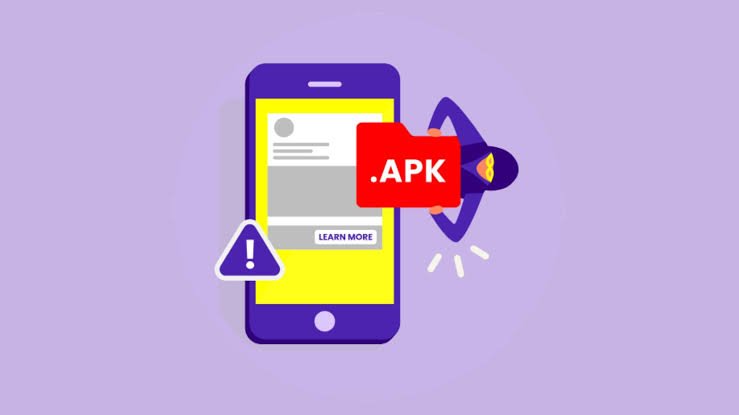
The financial exploit began on June 27 when Arfeen utilized a standard Google search engine query to find the official contact details for Dr. Pradhan’s neurology clinic. Upon dialing the number displayed on the unverified web listing, an unidentified individual answered the call, introduced themselves as a clinic registration employee, and instructed the builder to complete routine digital formalities to lock in his appointment slot. During this interaction, the scammer transmitted a malicious Android Package (APK) file to the victim’s mobile device, causing the smartphone to temporarily freeze and become entirely unresponsive.
Once remote control was established over the device, the cyber syndicate executed 20 rapid, unauthorized transactions between June 30 and July 1. The hackers systematically bypassed banking security alerts, siphoning ₹6.08 lakh from his Bank of Baroda savings account across eight rapid transactions within a mere 39 minutes. Following this initial breach, the perpetrators drained an additional ₹22,000 from his Kotak Mahindra Bank account and racked up ₹86,000 in fraudulent charges through 10 separate transactions on the victim’s credit card.
A Repeat Strategy Targeting Local Residents
Cyber forensics units and local police investigators have noted that this highly targeted approach is becoming a repetitive script across the region, heavily exploiting the public’s reliance on search engine listings for local services. Just months prior, in April 2026, a prominent local chemical businessman named Ashok Kumar Pathak was defrauded of ₹8.48 lakh under an identical pretext. Pathak had also searched for a doctor’s online appointment number on Google and was lured into downloading a malicious application file to complete a nominal five-rupee verification payment, which subsequently compromised his entire financial access.
In response to this dangerous surge in application-based phishing, the Kanpur cyber cell has issued an urgent public safety advisory warning citizens never to download unverified files or rely blindly on crowdsourced search engine results. Law enforcement officials emphasize that digital criminals are increasingly weaponizing search optimization tactics to plant fake customer care numbers online. Moving forward, the cyber cell has urged the public to cross-verify contact credentials exclusively through official corporate domains and authenticated institutional portals to mitigate the risk of severe financial exposure.
