

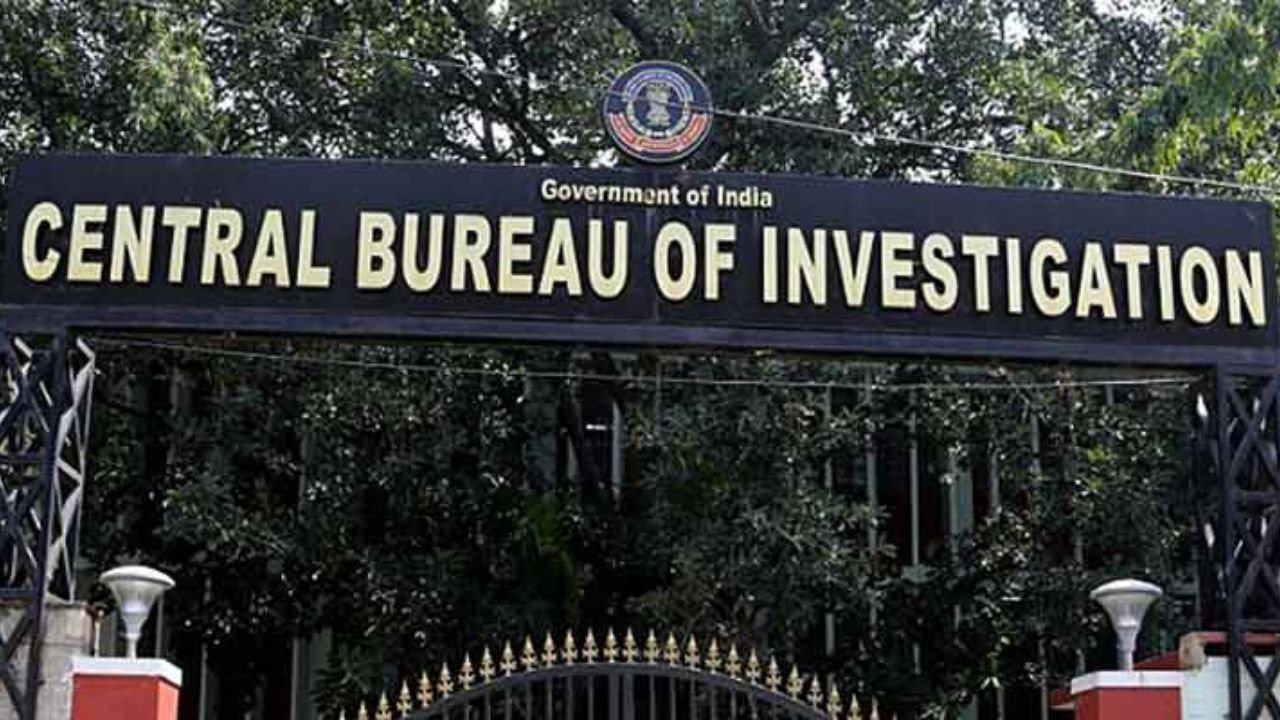

Chandigarh | The Central Bureau of Investigation’s (CBI) probe into the high-profile ₹657 crore bank scam in Haryana has taken a significant turn with the arrest of IAS officer Ram Kumar Singh, who has been remanded to three days of CBI custody by a Panchkula court. Investigators allege that more than ₹79 crore was illegally diverted from a bank account belonging to the Municipal Corporation, Panchkula, making the case one of the largest alleged financial frauds linked to government institutions in Haryana and Chandigarh.
According to the CBI, Singh was arrested as part of an ongoing investigation into the alleged diversion of public funds through questionable banking transactions and investment mechanisms. The agency is now examining the flow of money and the possible involvement of multiple individuals and entities in the suspected fraud.
FCRF’s Flagship Cyber Law Certification Returns With a New Four-Week Cohort
Investigators allege that the Municipal Corporation Panchkula account was opened in violation of established financial guidelines. The agency claims that certain account-opening procedures and documentation were structured in a manner that concealed transactions allegedly carried out later. According to the investigation, signed cheques were reportedly handed over to bank officials for the purpose of creating fixed deposits (FDs), but the deposits were never actually created. Instead, the funds were allegedly transferred to other accounts and entities.
The CBI believes the Municipal Corporation Panchkula case may be only one component of a much larger financial network. Investigators allege that funds linked to multiple Haryana government departments and Chandigarh Administration entities were similarly diverted through forged or non-existent fixed deposits and other financial instruments. Preliminary findings have also pointed to the possible use of shell companies and complex corporate structures in routing the money.
Officials say the focus of the investigation is not limited to the withdrawal of funds. The agency is attempting to identify the ultimate beneficiaries of the transactions and determine whether an organised financial network was involved in the alleged misappropriation. Detailed scrutiny of banking records, financial documents and electronic evidence is currently underway.
As part of the probe, searches were conducted at locations linked to the accused officer, where investigators reportedly recovered documents considered relevant to the case. Authorities believe these records may help reconstruct the complete financial trail and establish how the transactions were executed. Several arrests have already been made in connection with different aspects of the broader scam, and the investigation continues to expand.
Financial crime experts note that irregularities involving government funds can have consequences beyond direct monetary losses. Such cases may affect public projects, civic services and development initiatives that depend on those resources. As a result, tracing the source, movement and eventual use of funds becomes a critical part of the investigative process.
Renowned cybercrime expert and former IPS officer Prof. Triveni Singh said that large-scale financial frauds often involve multiple layers of transactions, fabricated documentation and shell entities designed to obscure the true movement of money. According to him, banking records, digital evidence, email communications and forensic financial analysis play a decisive role in uncovering complex fraud schemes. He added that accountability and transparency are especially important when public funds are involved.
The CBI is currently questioning individuals connected to the case and examining possible links between government departments, banking institutions and the alleged financial transactions. Investigators are also reviewing the role of officials and intermediaries who may have facilitated the movement of funds.
With the probe entering a more intensive phase, authorities believe additional findings could emerge in the coming weeks. The investigation is now focused on uncovering the full structure of the alleged ₹657 crore scam, identifying all responsible parties and determining how public money was allegedly diverted through the banking system. The outcome of the ongoing inquiry is expected to play a key role in shaping future legal and administrative action in one of the most significant financial fraud cases currently under investigation.
Follow for daily updates on cybercrime, corporate fraud, DFIR, hacking, investigations, and digital forensics
