

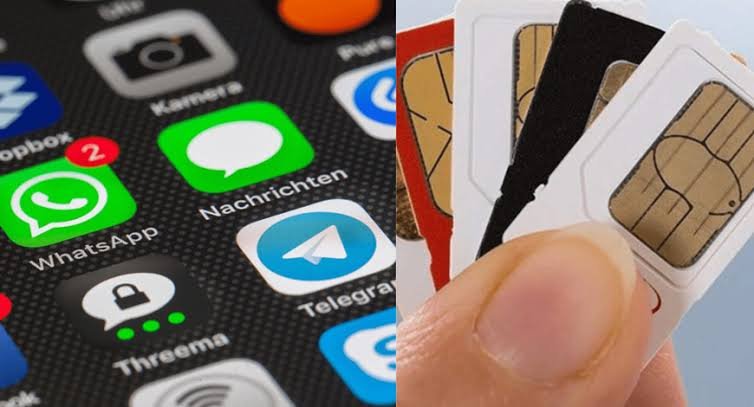

The Department of Telecommunications has issued a public advisory cautioning mobile phone users against allowing others to operate SIM cards registered in their names, warning that such lapses can trigger severe legal consequences. Under the Telecommunications Act, 2023, offences including the fraudulent activation of mobile connections, tampering with telecom identities, and altering a handset’s IMEI number carry penalties of up to three years in prison and fines reaching ₹50 lakh. The regulatory warning emphasizes that individuals could face police questioning and protracted legal scrutiny if connections bearing their credentials are discovered during criminal investigations.
Identity Document Fraud Uncovered in Chhattisgarh
The department’s nationwide directive follows a cybercrime investigation in Chhattisgarh, where a point of sale agent allegedly used citizens’ identity documents to activate 25 mobile connections without their consent or knowledge. Following the discovery of the unauthorized activations, telecom service providers and regulatory officials intervened immediately to blacklist the implicated vendor.
The suspicious numbers were analyzed using the department’s Digital Intelligence Platform and subjected to reverification procedures. Connections that failed to clear the verification checks were disconnected. Officials noted that the case illustrates the growing threat posed by unauthorized document handling, where unsuspecting citizens can have multiple phone numbers linked to their identities without their direct involvement.
Online Verification Portal for Mobile Subscribers
To curb the proliferation of fraudulent subscriptions, the government has directed subscribers to verify all mobile numbers issued against their names through the Sanchar Saathi portal and mobile application. The service allows individuals to review active lines registered under their personal documents and flag unrecognized connections for disconnection. Authorities emphasized that subscribers should not overlook unknown numbers, as any unlawful actions carried out through them directly impact the registered user.
The platform also provides a feature titled Check Genuineness of Your Mobile Handset, which permits users to verify the authenticity of their phone’s IMEI number. By entering the identifier, consumers can confirm device attributes such as manufacturer details, brand names, and model specifications to ensure their hardware has not been tampered with or illegally altered.
Legal and Cyber Risks Linked to Secondary Users
The advisory underscores that mobile numbers have evolved far beyond communication tools, functioning as key authentication points for banking channels, online payment interfaces, and personal accounts. If a registered number is used to carry out cyber fraud or financial offences, the subscriber whose identity is tied to the connection is likely to emerge as the primary subject of inquiry by law enforcement.
Criminal actors routinely seek phone connections registered under third-party identities to mask their digital footprints while conducting unlawful activities. In light of these risks, the Department of Telecommunications has urged consumers to monitor their registered connections periodically, refrain from sharing copies of identity documents through unsecured or unofficial channels, and promptly report any unrecognized numbers.
Follow for daily updates on cybercrime, corporate fraud, DFIR, hacking, investigations, and digital forensics
