

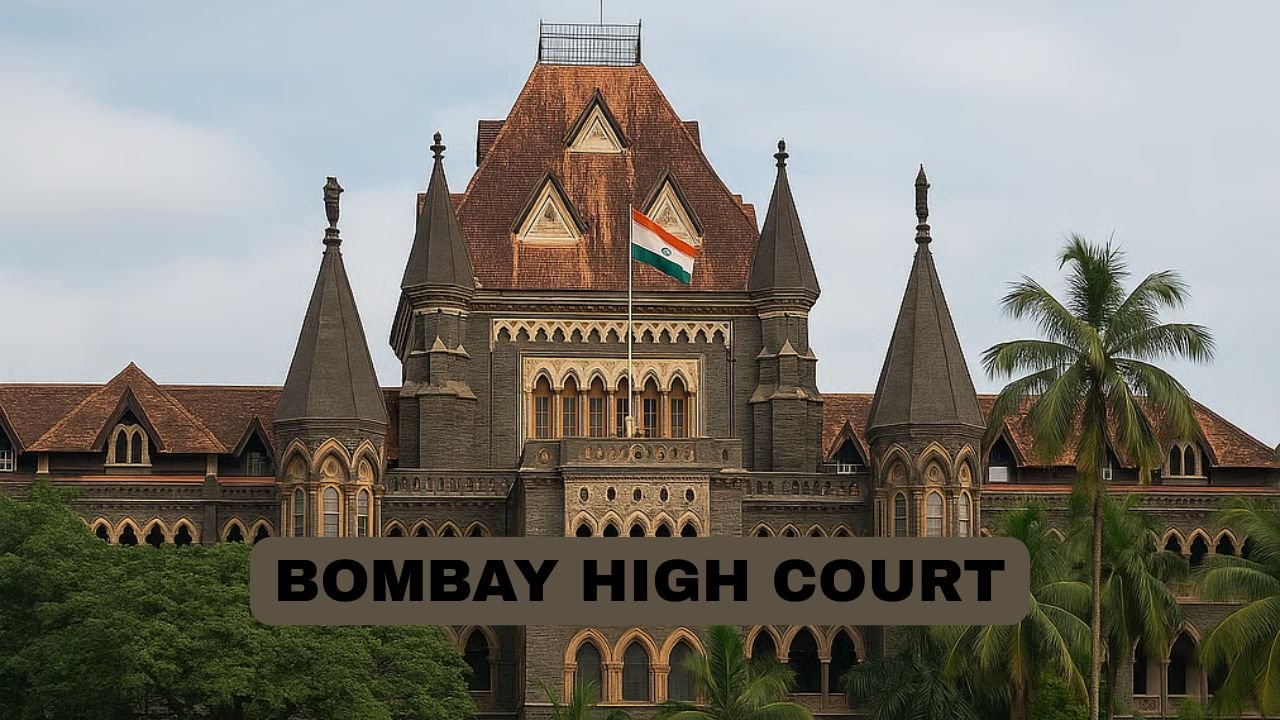

Mumbai | Taking a stern view of blatant violations of urban planning norms and alleged fraud, the Bombay High Court has upheld the demolition order of a 16-storey building in Ulhasnagar. Dismissing a petition filed by the developer, the court ruled that the permissions for constructing “Jhalak Paradise” were obtained through “misrepresentation and misleading information,” rendering the entire structure illegal and liable to be razed.
A division bench observed that the developer had not only misled the municipal corporation but also presented documents riddled with serious discrepancies. Calling it a case that “pollutes the system,” the court also questioned the role of civic officials, noting that due diligence was not exercised while granting approvals.
FCRF Academy Launches Premier Anti-Money Laundering Certification Program
During the proceedings, it emerged that the developer had relied on a 2021 report claiming that the plot was unaffected by 24-metre and 36-metre Development Plan (DP) roads. However, the same developer also admitted to surrendering 386.68 square metres of land due to the DP road impact. Highlighting this contradiction, the court said it clearly indicated that the developer was aware of the encroachment but still went ahead and secured permissions by submitting misleading information.
In its order, the court reiterated that parties approaching the judiciary with “unclean hands” are not entitled to any relief or sympathy. On this basis, the plea was rejected, with the bench making it clear that illegal constructions cannot be protected under any circumstances.
The building, constructed in Ulhasnagar-5 by Jhalak Construction Company, consists of 65 flats and four shops. Investigations revealed that nearly 80% of the structure encroaches upon DP roads. Despite being built over a 36-metre ring road and a 24-metre DP road, the project left only a 3-metre margin instead of the mandated 9.7 metres.
The issue first came to light in 2024 when complaints were raised regarding the construction. Subsequent scrutiny exposed multiple irregularities, leading to the structure being declared illegal and a partial demolition order being issued. The developer later challenged this action in court, but the High Court has now fully endorsed the demolition directive.
Emphasising the responsibility of municipal bodies, the court described them as “custodians of planned urban development” and said they must act firmly against illegal constructions. It also directed that appropriate action be taken against officials found negligent or complicit in granting such approvals.
The developer’s request for a four-week stay to approach the Supreme Court was also rejected. The court noted that delays in such matters defeat the purpose of law enforcement and stressed the need for immediate action.
This case once again highlights the growing concerns around illegal constructions, fraudulent approvals, and administrative lapses in urban areas. The court’s strong stance is being seen as a significant step toward curbing such violations and reinforcing accountability in the real estate sector.
