
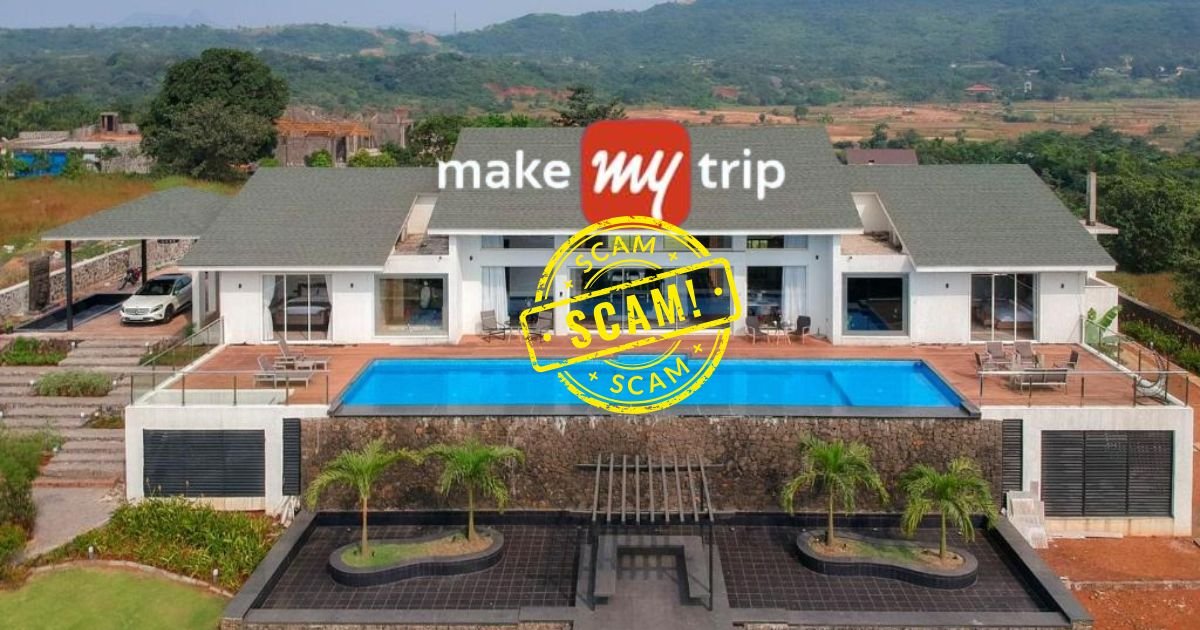

If you’re looking for an expensive villa or luxury hotel on a travel platform, chances are high you can get cheated.
A Bangalore-based family was allegedly cheated of Rs 40,000 while trying to book a villa in Lonavala for a family get-together. The property, listed as “Saviour Villa by Zorro,” was found on Makemytrip, and that is where the chain of events that led to the alleged fraud began.
According to the police complaint accessed by The420.in, the family was planning a two-night stay in Lonavala between December 5 and December 7 for a group of nine people. During their search on Makemytrip, they came across a listing for “Saviour Villa by Zorro,” which appeared to offer a luxury 5BHK property with a private swimming pool and premium amenities.
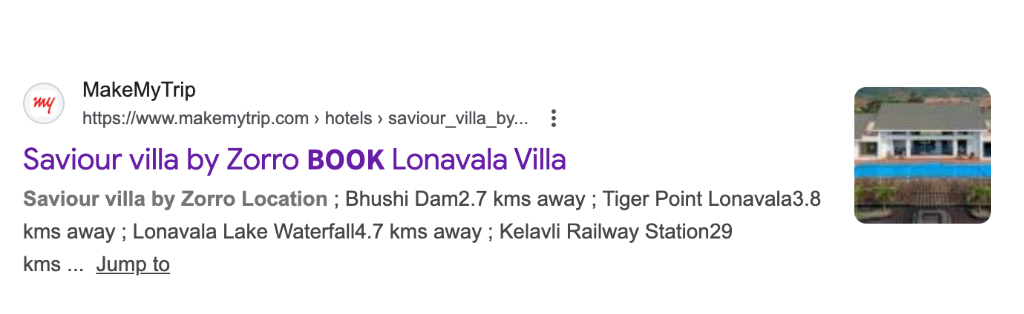
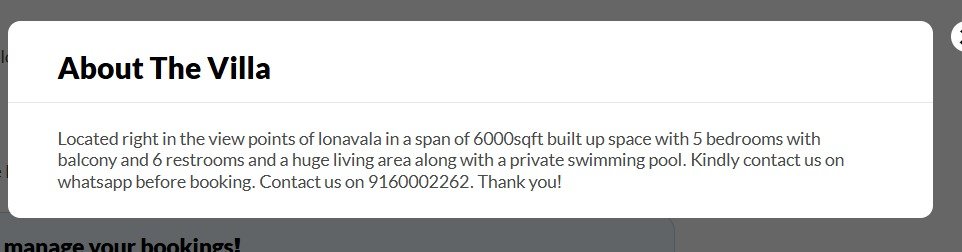
The listing looked convincing. It carried photographs of the villa, location details, and a direct instruction asking users to contact the operator on WhatsApp before booking. The page reportedly displayed the message:
“Kindly contact us on whatsapp before booking. Contact us on 9160002262.”
The complainant says the family trusted the listing because it appeared on a well-known travel platform. Believing the operator to be verified, they contacted the number mentioned on the page.
Soon after, they were approached by a person claiming to represent “Zorro Luxury Stays” or “Zorro Residencies.” During the conversation, the operator offered the villa for Rs 20,000 per night. The total booking amount for the two-night stay came to Rs 40,000.
Registration Begins for FutureCrime Summit 2026, India’s Largest Cybercrime Conference
The operator allegedly shared detailed information about the property, including amenities such as a swimming pool, outdoor barbeque, snooker and table tennis setup, indoor theatre, projector, sports turf, outdoor speakers, onsite helpers, and cab pickup and drop facilities. A Google Maps location and a villa address in Lonavala were also provided to make the booking appear genuine.
The complainant later received a formal-looking invoice under the name “Zorro Residencies.” The invoice mentioned the booking dates, occupancy details, and total amount payable. Payment options included a Google Pay number linked to 9160002262 and an SBI bank account in the name of Sai Deepak.
Trusting the process and believing the property was legitimate because it was listed on Makemytrip, the family transferred the entire Rs 40,000.
According to the complaint, communication stopped immediately after the payment was made. Calls reportedly went unanswered. WhatsApp messages stopped receiving replies. No confirmation or booking details were shared after the transaction.
The complainant later realised that the booking may never have existed and that the family had allegedly fallen victim to an online villa booking scam.
FCRF Academy Launches Premier Anti-Money Laundering Certification Program
An FIR and police complaint have now been filed in connection with the incident. The complainant has submitted payment records, screenshots of the property listing, invoice copies, WhatsApp chats, QR codes, and bank details as evidence.
The complaint names the operators using the identities “Saviour Villa by Zorro,” “Zorro Luxury Stays,” and “Zorro Residencies.” The victim has also sought an investigation into the role of Makemytrip and Goibibo, claiming the property appeared on both platforms and that the listing itself created trust.
One of the major concerns raised in the complaint is that the listing openly encouraged off-platform communication and displayed a mobile number for direct contact. Cyber fraud experts say this pattern has become common in villa and homestay scams, where fraudsters move conversations to WhatsApp, ask for direct payments through UPI or personal bank accounts, and disappear after collecting the money.
The420.in has sent a detailed questionnaire to Makemytrip seeking clarification on the verification process followed before onboarding “Saviour Villa by Zorro.” Questions have also been raised about whether the operator linked to the mobile number 9160002262 was verified before the listing was allowed on the platform.
At the time of publication, Makemytrip had not responded to the queries.
The case once again highlights the growing risks linked to online villa bookings, especially during holiday seasons when travellers rely heavily on digital platforms to plan trips. For many users, the presence of a property on a trusted travel platform creates an assumption of authenticity.
