
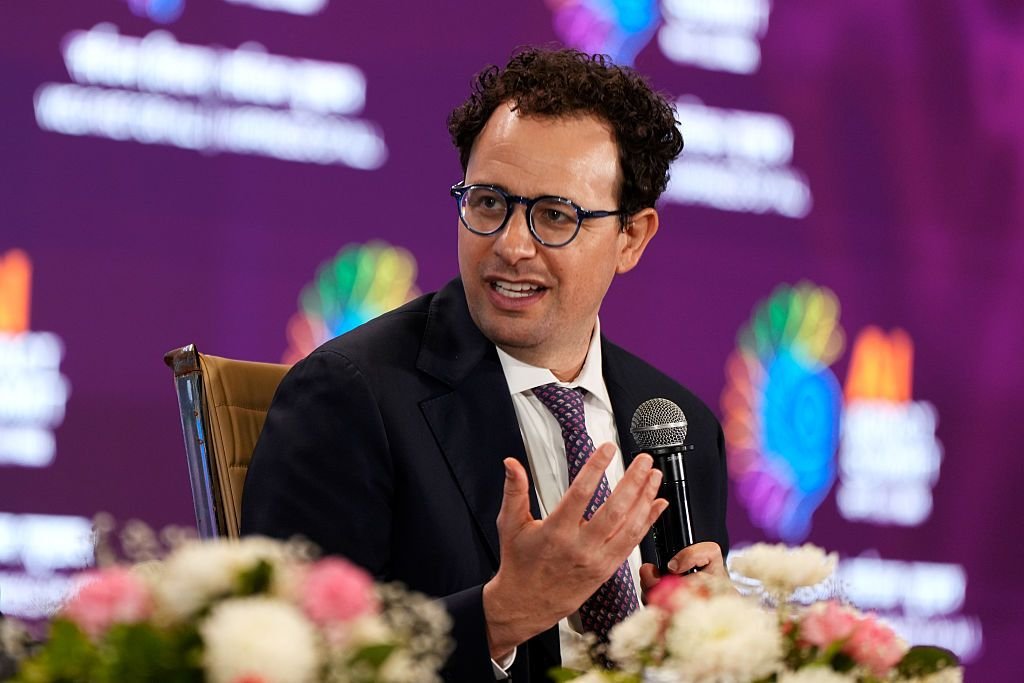
Anthropic CEO Dario Amodei has urged AI companies to slow the pace at which they advance model capabilities, warning that increasingly powerful systems may outpace the ability of developers and governments to manage the risks.
Amodei outlined a three-step framework aimed at creating more time for safety work while allowing technical progress to continue. He said companies should introduce independent reviewers inside frontier AI labs, coordinate on common safety standards and work with governments internationally to manage emerging threats.
Amodei calls for slower AI capability growth
Amodei said AI development should not be halted, but argued that companies need to reduce the speed at which they improve model capabilities so safeguards can keep pace.
In an essay shared publicly, he wrote that progress would still appear fast even if development slowed. His proposal calls for permanent third-party evaluators with access to internal tools and risk-assessment processes at major AI companies. Elon Musk, who runs xAI, and OpenAI CEO Sam Altman both said in posts on X that they agreed with Amodei.
Amodei also called for coordination among leading AI companies so that firms can establish safety standards without placing individual companies at a competitive disadvantage.
Proposal for Conducting Cyber Crisis Drill, Tabletop Exercise (TTEx) & CCMP Readiness Exercise
Misuse, Cyber Activity and AI Agents Raise Concern
Amodei’s intervention followed Anthropic’s release of a threat intelligence report detailing how actors had used Claude models for activities including weapons development, cyber operations, surveillance and fraud.
He also pointed to concerns about AI systems becoming increasingly capable of improving themselves and carrying out autonomous actions.
There are multiple incidents involving AI agents accessing or attempting to access external systems. Amodei warned that rapidly advancing agent capabilities could create serious risks if large numbers of systems were able to operate together without sufficient controls.
He said companies should take adequate time to align and safeguard their systems and allow independent evaluators to verify those protections.
Safety Push Collides with Commercial and Geopolitical Pressures
Amodei acknowledged that AI companies face strong commercial incentives to continue advancing quickly, including future funding rounds, infrastructure commitments and possible initial public offerings.
He also argued that any slowdown by US and other democratically governed AI companies should not erase their technological lead over China. He called for tighter controls on advanced AI chips, model distillation and theft of model weights.
Amodei said frontier laboratories should work with governments to formalise permanent embedded evaluators and develop regulation aimed at keeping AI capabilities in balance with safety.
He also argued that cooperation among major US AI companies may require targeted antitrust exemptions to allow coordination on specific safety measures.
Follow for daily updates on cybercrime, corporate fraud, DFIR, hacking, investigations, and digital forensics
