

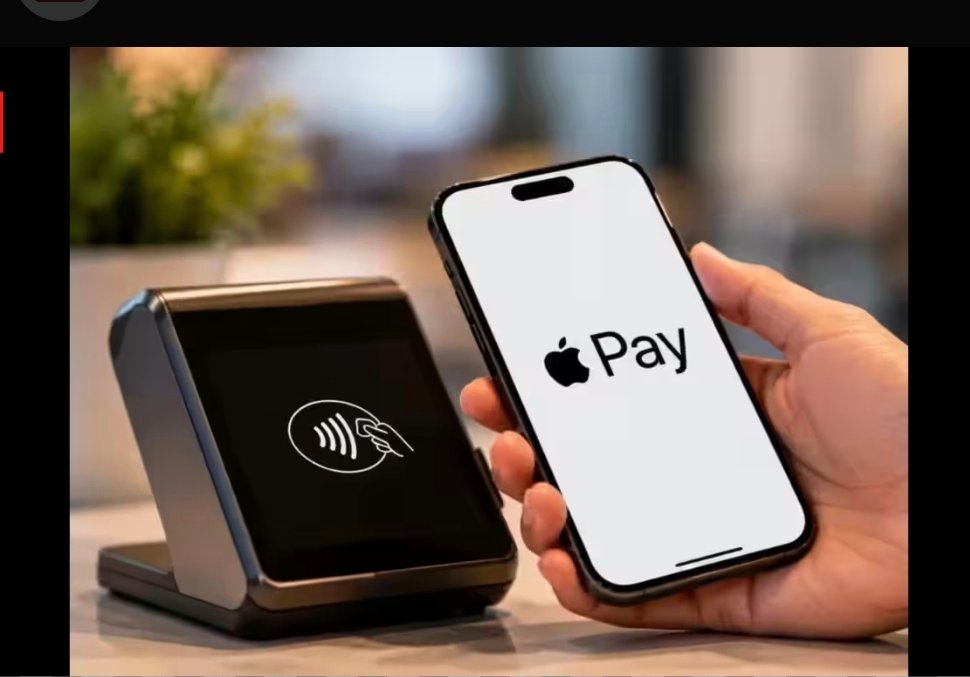
Britain’s competition regulator has proposed lower fees and fewer restrictions on Apple’s contactless payment technology.
What Has the UK Regulator Proposed?
The Competition and Markets Authority (CMA) has proposed changes requiring Apple to reduce access fees and remove technical barriers that restrict rival contactless payment services.
Announced on October 20, the proposals aim to make Apple’s payment technology more accessible to competing developers. The regulator believes the changes could encourage innovation and provide consumers with more alternatives to Apple Pay.
The CMA has the authority to impose requirements after designating Apple and Google as having strategic market status in smartphones last year.
FCRF’s Chief AI Officer Certification Returns on November 14 to Prepare Future AI Leaders
How Would the Changes Affect Payment Apps?
The proposals would allow developers to use host card emulation (HCE) technology alongside Apple’s existing secure element system. HCE enables third-party applications to process contactless transactions using an iPhone’s near-field communication (NFC) technology without relying on Apple Pay or Apple Wallet.
The European Union introduced broader requirements in 2024, including free access for third-party developers. Since then, companies including PayPal, Klarna, Curve and BBVA have introduced alternative payment applications. Britain’s proposed approach would be less demanding than the European Union’s existing requirements, particularly regarding access fees.
Why Is Competition in Contactless Payments Important?
Contactless transactions now account for 39% of all payments in Britain, compared with just 3% a decade earlier, according to the CMA. More than 60% of adults use digital wallets, with Apple Wallet remaining the country’s most popular option.
CMA Chief Executive Sarah Cardell said high fees, restrictive terms and technical limitations have made competition difficult for alternative providers. Digital bank Revolut welcomed the proposals, arguing that access to NFC technology through HCE would help financial technology companies compete more effectively with major technology firms.
The regulator is accepting responses to its proposals until November 17, after which it will make a final decision.
What Are Apple’s Concerns?
Apple maintains that developers can already offer contactless services through its NFC technology and secure element, which protects sensitive information such as payment credentials and cryptographic keys. The company said its existing system supports in-store payments, transport passes and event tickets while protecting customer information.
Apple opposed any requirement that would introduce what it considers weaker privacy and security protections, although it said it would continue discussions with the regulator.
The420 Insight: The proposals highlight the challenge of expanding competition without weakening payment security. The final decision will determine whether developers gain easier access to Apple’s contactless technology and under what conditions.
Follow for daily updates on cybercrime, corporate fraud, DFIR, hacking, investigations, and digital forensics
