

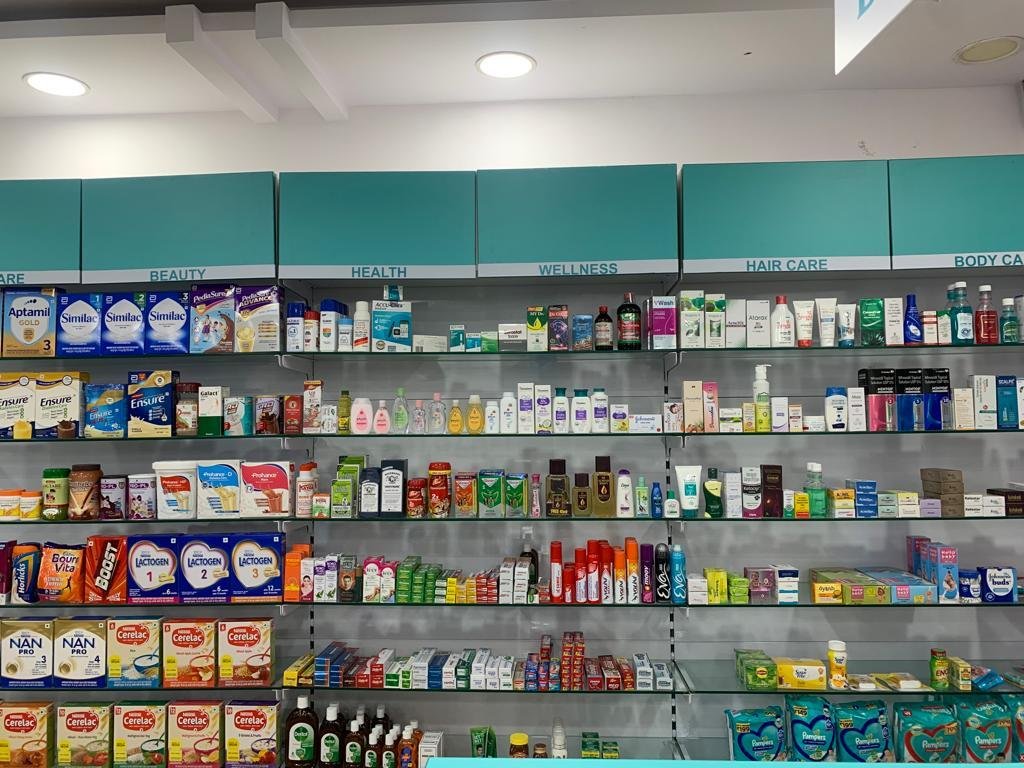

A state-wide investigation into hospital pharmacies across Uttar Pradesh has exposed an extraordinary gap between the procurement rates of critical drugs and the maximum retail prices charged to patients. A regulatory scrutiny conducted by the Food Safety and Drug Administration examined purchase and sales records from 214 medical colleges and private hospital pharmacies, tracking 130 formulations. The findings revealed that for 36 essential medicines, printed maximum retail prices ranged between 10 and 67 times their underlying wholesale purchase rates. The steep markups predominantly involve life-saving drugs prescribed for intensive care, severe bacterial and fungal infections, liver disorders, and cancer therapies.
Massive Markups Uncovered on Critical Injections and Devices
The steepest price disparity was documented in the procurement of Polymyxin-B, an antibiotic used for severe hospital-acquired infections. While a hospital pharmacy acquired a 5,00,000-unit injection for ₹74.09, the pack carried an MRP of ₹4,980.94, representing a retail markup of nearly 67 times the purchase cost. A separate five-lakh-unit batch of the same formulation showed a purchase rate of ₹90 alongside a printed retail tag of ₹4,528.10.
A similar pricing pattern emerged in liver disease therapies. Terlipressin injections, bought by pharmacies for ₹56, were listed at an MRP of ₹3,050. A 10-ml variant marketed under the brand name Teronim carried an identical purchase cost of ₹56 but had an MRP of ₹2,600. Serious anti-infectives followed the same trend. Caspofungin 70 mg, utilized for invasive fungal conditions, showed purchase costs of ₹800 and ₹897.75 against retail tags of ₹21,230 and ₹19,892 respectively. Colistimethate Sodium 4.5 MIU was procured at ₹210 against an MRP of ₹9,702.31, while Tigecycline 50 mg was bought for ₹154.54 and retailed at ₹7,110.47. Meropenem 1 gm showed retail rates ranging between 5.31 and 9.98 times wholesale invoices.
High-value oncology therapies and surgical consumables reflected comparable inflations. Bevacizumab 400 mg was procured at ₹7,541.10 against an MRP of ₹69,995. Inova 1 mg was bought for ₹2,07,504 against an MRP of ₹3,02,610, and Simulect 200 mg showed a purchase cost of ₹72,700.95 alongside an MRP of ₹95,420. Basic medical hardware recorded steep markups as well, with three-way stopcocks purchased for ₹6.40 carrying an MRP of ₹163, and another device bought for ₹20.95 bearing an MRP of ₹500, yielding price gaps of nearly 25 times.
Institutional Arrangements Shield Costs from Patients
Departmental assessments indicate that commercial arrangements established between hospital administrations and pharmaceutical manufacturers underpin these substantial price margins. Drug manufacturers routinely supply products to hospital pharmacies at deeply discounted institutional rates while retaining an elevated MRP on the commercial packaging. This pricing structure allows private facilities to market products with modest patient-facing discounts off the printed MRP while still retaining disproportionate profit margins on every unit dispensed.
Throughout this process, consumers remain entirely unaware of the actual procurement costs incurred by the facility. Patients and their families are rarely informed about lower-priced generic alternatives that may be circulating in the open market, leaving them dependent on internal billing structures during acute clinical care.
Restricted Access and Regulatory Review
The crisis is intensified by in-house pharmacy monopolies over specialized critical care medications. Many private hospitals stock proprietary brands that are intentionally kept out of open retail distribution. When patients are admitted under emergency conditions, attending families have little practical recourse other than purchasing prescribed medications directly from the hospital’s internal counter. The lack of outside availability eliminates price competition and escalates overall medical expenditure during critical admissions.
In response to the inspection findings, the Food Safety and Drug Administration has initiated a secondary review to evaluate the margins between purchase rates, package MRPs, and the final sums billed to hospital patients. Regulators are actively reviewing how manufacturers are permitted to print inflated retail prices on deeply discounted institutional supplies, while formulating policy measures to curb excessive drug markups across the healthcare sector.
Follow for daily updates on cybercrime, corporate fraud, DFIR, hacking, investigations, and digital forensics
