

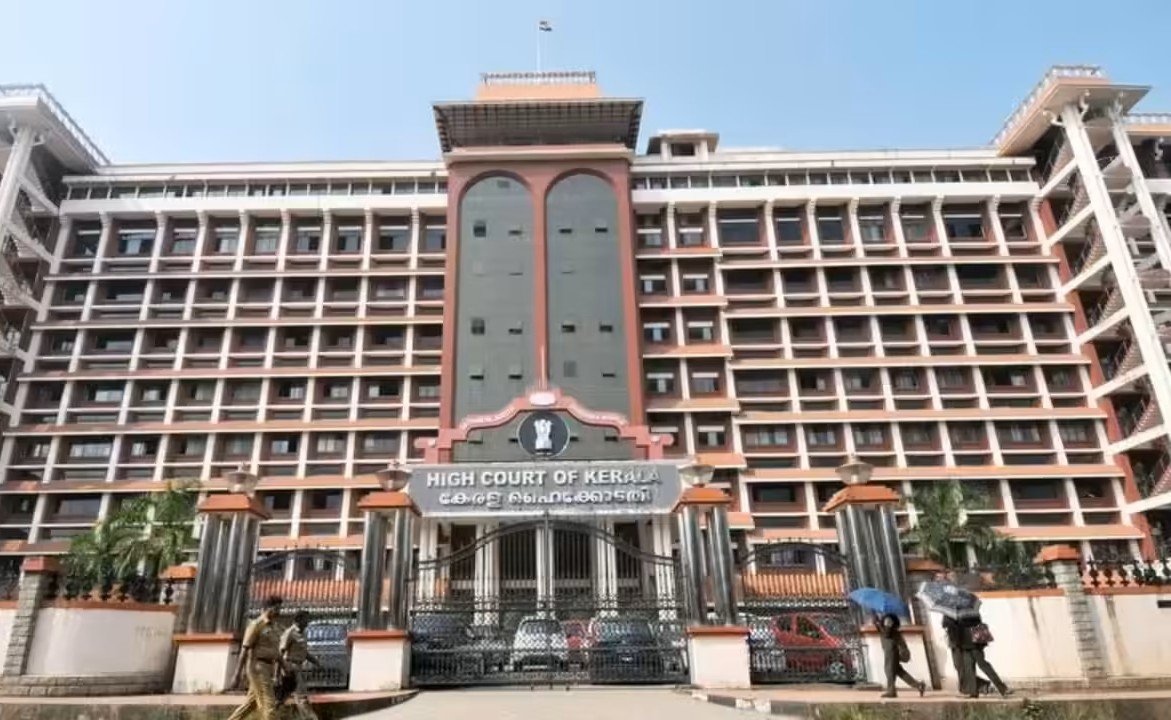
The Kerala Government has executed a major regulatory shift by granting formal authorization to the Central Bureau of Investigation (CBI) to prosecute two high-profile former administrators of the Kerala State Cashew Development Corporation (KSCDC). According to comprehensive compliance affidavits submitted before the Kerala High Court, state industries regulators cleared the anti-graft prosecution pipeline against former KSCDC Chairperson R. Chandrasekharan and former Managing Director K.A. Ratheesh. The administrative reversal marks a critical turning point in a long-standing political and legal standoff surrounding an alleged ₹600 crore raw cashew import scam, moving the decade-old public sector accounting scandal out of executive limbo and straight into an active criminal trial phase.
Registration Begins for FutureCrime Summit 2026, India’s Largest Cybercrime Conference
The Import Defalcation and the Contempt Mandate
The structural parameters of the deep financial investigation stem from a series of bulk procurement contracts executed by the state-run corporation between 2006 and 2015. Federal investigators allege that senior corporation executives systematically abused their administrative autonomy to import low-grade raw cashew nuts at highly inflated commercial prices from offshore suppliers, bypassing mandatory state purchase guidelines and causing a massive drain on the public exchequer. While the central bureau finalized its primary chargesheets detailing systemic cheating and criminal breach of trust years ago, the prosecution remained legally stalled due to the state government’s repeated refusal to grant the statutory prosecution sanctions required to try public servants.
The structural logjam finally broke after a local petitioner from Kollam initiated aggressive contempt of court proceedings against the principal secretary of the Industries Department for failing to adhere to a clear October 2025 High Court directive. Faced with immediate judicial penalties and warning mandates from a single-judge bench, state authorities issued an initial approval order on July 2, 2026, though the document explicitly alleged that the High Court had overstepped its bounds by acting as a trial court and coercing the executive. Following immediate legal pushback and a subsequent interlocking application targeting the newly appointed Industries Secretary, K. Biju, the state quickly withdrew the contentious language, issuing a clean, revised sanction docket on July 6 that focused strictly on the existence of prima facie evidence while protecting its formal right to mount a constitutional challenge before the Supreme Court.
Escalating Contempt Feuds and Trial Declarations
The high-profile administrative concession has failed to completely cool the legal environment, as competing factions launch fresh litigation over the precise wording of the state’s compliance files. The original petitioner has moved a fresh interlocutory motion before Justice A. Badharudeen, arguing that the initial prosecution text drafted by the state was intentionally styled in an overly favorable manner designed to provide the accused executives with immediate procedural escape routes during the trial. The complainant has formally requested the high court to strike down the current administrative order and initiate fresh criminal contempt actions against the new department secretary for attempting to dilute the spirit of the court’s explicit mandate.
Concurrently, the political dimensions of the case continue to ripple across regional labor and trade networks, given Chandrasekharan’s parallel role as a prominent state trade union president. The former chairperson has publicly welcomed the transition to an open trial, asserting that the underlying transactions were collectively authorized by a multi-member board of directors rather than directed via individual executive actions. He maintains that previous state reviews found zero evidence of criminal intent, characterizing the ongoing legal dispute as an engineered campaign stemming from internal trade union rivalries rather than genuine structural corruption.
Zero-Trust Public Procurement and Administrative Safeguards
The public exposure of this multi-year public sector default has prompted independent market analysts and national anti-graft researchers to demand an immediate overhaul of autonomous corporate procurement frameworks across India. Financial crime specialists emphasize that vesting unmonitored capital deployment power in public sector boards without real-time price-discovery interfaces leaves state funds highly vulnerable to localized price manipulation. To permanently protect state-run commercial operations from strategic asset inflation and unauthorized vendor selection, apex audit compliance boards are advising regional ministries to enforce strict zero-trust background checks on all international trading partners.
Future administrative safety architectures are moving toward the mandatory integration of automated commodity tracking platforms, where all public raw material imports are cross-referenced against global market indexes before clearing capital state channels. State legal teams maintain that the current surrender of prosecution certificates will not weaken their broader constitutional fight regarding state autonomy, confirming that their research divisions are actively preparing a comprehensive appeal structure to present before the Supreme Court. As federal prosecutors prepare to submit supplementary chargesheets incorporating the newly cleared anti-corruption codes, regional judicial units maintain that tracking the physical movement of the siphoned capital remains the primary operational focus to secure full public asset recovery.
