
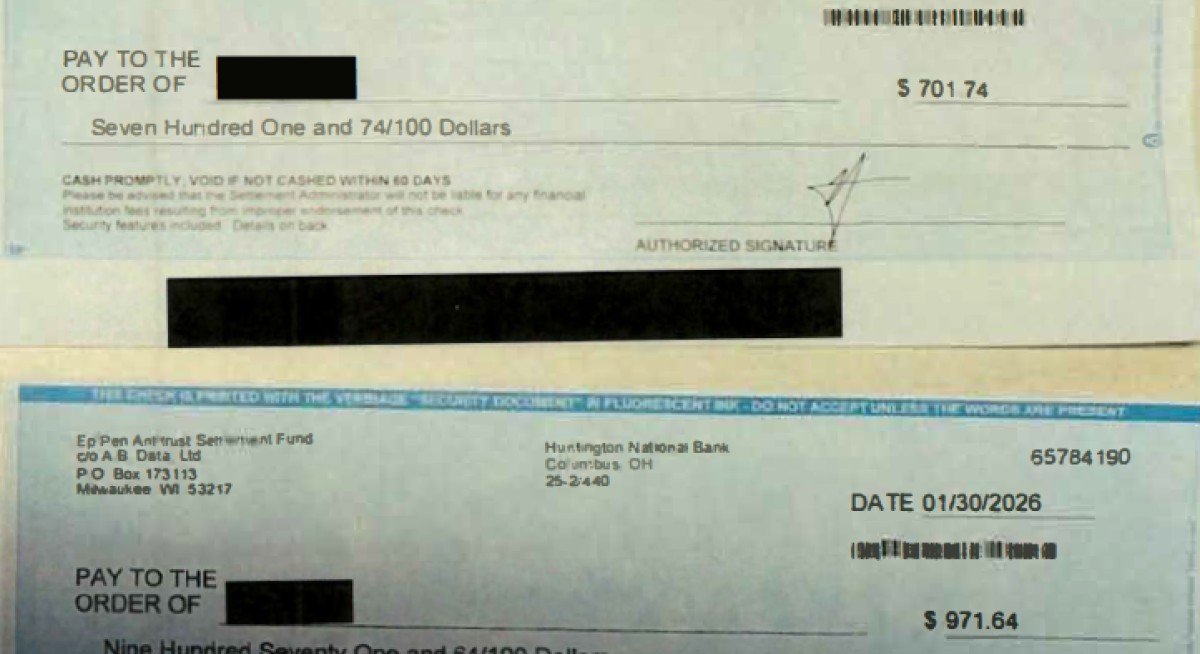
The United States Attorney’s Office for the Western District of New York has unsealed a comprehensive criminal indictment against a 38-year-old resident of Greece, New York, charging him with orchestrating a massive, multi-year digital extraction scheme targeting class-action lawsuit funds. Federal enforcement commands arrested Philip DiGennaro following a detailed forensic data inquiry led by the Federal Bureau of Investigation. Prosecutors formally leveled charges of conspiracy, wire fraud, aggravated identity theft, and money laundering against the suspect, exposing a highly organized identity-theft mill that successfully siphoned approximately $1.3 million (over ₹11.2 crore) by injecting thousands of entirely fabricated consumer claims into corporate settlement repositories across the country.
Registration Begins for FutureCrime Summit 2026, India’s Largest Cybercrime Conference
The Pandemic Financial Collapse and the Dark Web Infiltration Pipeline
The structural parameters of the multi-layered enterprise emerged after a federal search warrant executed at DiGennaro’s residence uncovered a sprawling financial offense apparatus. Following a prolonged period of unemployment triggered by the COVID-19 pandemic and compounded by catastrophic personal losses in high-exposure cryptocurrency markets, the suspect allegedly designed a systemic workflow to exploit vulnerability gaps in commercial class-action distribution frameworks.
The underlying technical operation and subsequent capital extraction functioned through three continuous operational phases:
The initial credential generation phase relied on automated computer software to generate large lists of fictitious consumer profiles. To support these lookalike profiles, the suspect turned directly to dark-web marketplaces to purchase high-fidelity forged identity documents, matching the synthetic profiles against legitimate, active postal data to bypass basic address verification software. The secondary submission pipeline integrated international labor to dramatically scale the volume of fraudulent claims, with the suspect hiring an associate based in Colombia for a monthly stipend of $600 to continuously input false compensation claims. Operating through secure proxy internet networks to hide their physical tracking footprint, the team successfully filed for payouts across 107 distinct class-action settlements—ranging from corporate antitrust resolutions to vehicle manufacturing product liability funds. The final asset harvesting phase reached completion as incoming settlement checks were funneled through automated mail-forwarding setups straight to the suspect’s residence, enabling him to successfully cash the instruments without alerting regional property owners or fraud underwriting panels.
Multi-Branch Ledger Consolidation and Federal Seizure Warrants
The complex financial infrastructure built to absorb the fraudulent tranches required the generation of an immense banking footprint. FBI financial analysts revealed that DiGennaro systematically registered and operated more than 480 separate bank accounts across eight prominent financial institutions, including Synchrony Bank, Chase Bank, and M&T Bank. Rather than spending the illicit capital immediately, the suspect executed high-frequency electronic transfers to consolidate the siphoned payouts into secure, high-yield certificates of deposit and savings accounts, effectively sheltering the proceeds within mainstream wealth-management systems.
The entire apparatus collapsed after federal agents traced a cluster of fraudulent driver’s licenses submitted during a vehicle manufacturing settlement dispute back to a localized internet terminal in New York. Moving rapidly to preserve the integrity of the remaining assets, federal prosecutors secured advanced seizure warrants, successfully locking down and recovering $1,224,497.27 from the suspect’s high-yield accounts before the capital could be converted back into digital tokens or routed overseas. A subsequent physical sweep of his property yielded extensive electronic registries, photoshopped documentation suites, and a massive digital directory explicitly labeled “ready for claims,” providing prosecutors with an ironclad paper trail to build the central conspiracy case.
Crypto Disputes and Institutional Compliance Reformations
The exposure of this multi-million dollar class-action drain has highlighted a separate, highly complex series of legal actions initiated by the suspect prior to his federal arrest. Court records establish that DiGennaro had separately filed independent civil lawsuits against major digital asset exchanges, including Binance, claiming the platform wrongfully locked up his holdings, which included 50 Ethereum tokens valued at over $200,000. While federal prosecutors have not suggested that his active civil disputes over unauthorized cryptocurrency transfers are directly linked to his criminal indictment, the separate filings underscore a continuous pattern of high-stakes asset volatility that investigators believe directly drove the creation of the synthetic claims mill.
To permanently protect corporate settlement funds and legal distribution channels from automated identity manipulation and automated script filing, national risk mitigation boards are demanding a severe upgrade to underwriting safeguards. Financial crime specialists emphasize that relying on unverified, paper-bound declarations under penalty of perjury remains highly vulnerable to industrial-scale machine automation. Future compliance frameworks are moving toward the mandatory deployment of multi-layered biometric identity checks and real-time electronic tax-portal APIs to instantly verify a claimant’s legal standing before public capital can clear state channels. Following his initial appearance before a federal judge, DiGennaro was released under strict conditional supervision, while multi-agency teams continue to audit cross-border transaction records to ensure all upstream tech facilitators are brought to trial.
Follow for daily updates on cybercrime, corporate fraud, DFIR, hacking, investigations, and digital forensics
