
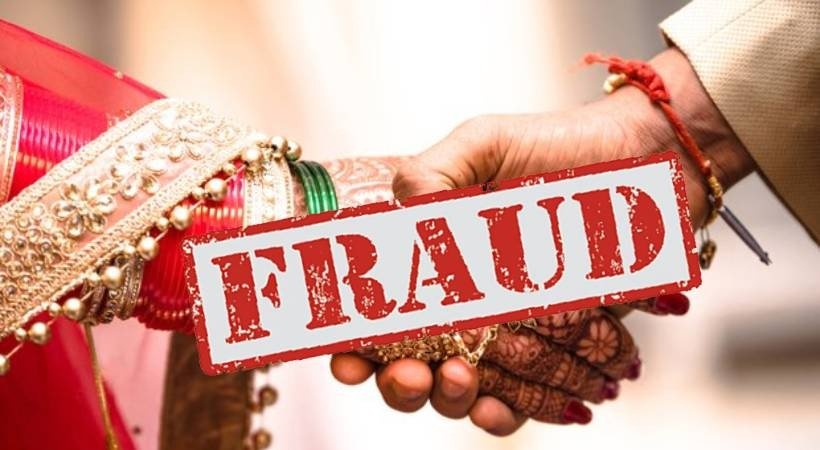
Gorakhpur: A sensational case emerging from Uttar Pradesh’s Gorakhpur has intensified concerns over an organised marriage fraud network operating under the guise of matrimonial alliances. Police in the Chiluatal area have arrested a woman accused of posing as a “looter bride” and trapping families from different states before allegedly robbing them with the help of her associates. Investigators now suspect the gang may not be limited to Uttar Pradesh and could have links across multiple states.
FCRF Academy Launches Premier Anti-Money Laundering Certification Program
Fake Bride Identity Used to Trap Families
The arrested woman has been identified as Neelam Singh, a resident of the Rasra area in Ballia district. According to investigators, she introduced herself as “Rekha” while approaching families seeking marriage alliances. Police claim she would gradually gain the confidence of victims and quickly move discussions toward finalising the marriage so that families would not suspect foul play.
Investigators said the gang recently targeted a family from Rajasthan. A Haryana-based man identified as Raju Sharma allegedly shared Neelam’s photographs and profile details with the family and convinced them that the woman was ready for marriage. The victims were reportedly told that the remaining marriage formalities would be completed in Gorakhpur.
The family arrived in Gorakhpur on March 12 believing they were travelling for wedding-related discussions. Initially, everything appeared normal and carefully planned to avoid raising suspicion. However, police said the situation changed dramatically soon after their arrival.
Fake Police Action Used for Extortion
Authorities allege that history-sheeter Ankur Singh and several associates approached the family while posing as police personnel. The gang allegedly created fear by threatening legal action and detention. The victims were reportedly confined to a location and pressured during what was projected as an official interrogation.
During the incident, the accused allegedly looted nearly ₹3 lakh in cash along with valuables from the family before fleeing the spot. After the victims approached police, an investigation was launched, eventually exposing what officials believe is a larger organised racket.
During questioning, police found multiple inconsistencies in the woman’s identity and address details. Investigators said Neelam Singh repeatedly attempted to conceal her real identity and mislead officials. The police then initiated a technical investigation using call detail records, mobile location tracking and digital activity analysis.
Technical surveillance reportedly revealed that the accused had been frequently changing locations in an attempt to evade arrest. After several days of tracking, police arrested her from the Ramgarhtal area. She was later produced before a court and sent to judicial custody.
Interstate Network Under Investigation
Investigators further discovered that Neelam had been living in a rented accommodation in Gorakhpur where she introduced herself as a mall employee. Police believe she maintained a simple and low-profile lifestyle to avoid attracting suspicion from neighbours and landlords. Authorities also found that she was associated with an NGO, which investigators suspect may have helped her project a trustworthy public image.
So far, police have arrested seven accused persons in connection with the case. Those arrested include Ankur Singh and Raju Sharma. Investigating agencies suspect the gang may have been operating for a long period and could have targeted several families using similar tactics in the name of marriage proposals.
According to investigators, the gang worked in a highly organised manner. Families looking for quick matrimonial arrangements were allegedly identified through social contacts and informal networks. Once contact was established, the accused used fake identities, fabricated stories and photographs to gain the family’s confidence. When victims arrived at a designated location, fake police action, intimidation and blackmail were allegedly used to extort money.
Police officials now suspect the network may have interstate connections. Authorities are examining bank accounts, mobile records, digital transactions and communication links associated with the accused. Investigators have also traced the location of a woman described as Neelam’s “sworn sister,” who is suspected to be part of the same network. Police believe further arrests and major revelations could emerge as the probe expands.
