
Stay ahead with our breaking stories and exclusive coverage prioritized on Google.
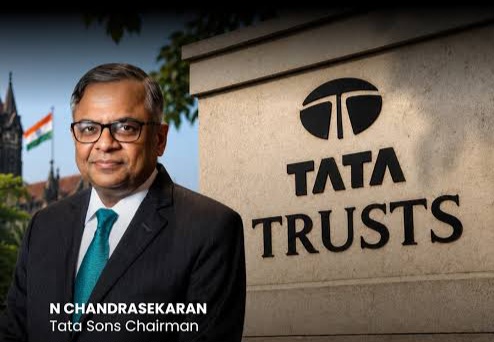
Add The420 on Google →The leadership and corporate governance dispute within the Tata Group has moved to the courts, with Sir Dorabji Tata Trust and RD Tata Trust challenging the five-year reappointment of Tata Sons Executive Chairman N. Chandrasekaran in the Bombay High Court. The two trusts have sought an interim stay on the board resolution extending Chandrasekaran’s tenure, alleging that it was passed without following the mandatory voting procedure laid down in the company’s Articles of Association.
Senior advocate Abhishek Manu Singhvi mentioned the petition before the court on behalf of the trusts, and a hearing has been scheduled for Friday at 3 pm. The legal challenge comes just ahead of Tata Sons’ November 30 board meeting, where several major proposals concerning the group’s financial and corporate structure are expected to be taken up.
Dispute Over Article 121 Voting Rules
At the center of the legal challenge is Article 121 of Tata Sons’ Articles of Association. The trusts contend that key board decisions require the affirmative consent of directors nominated by the trusts, and that the resolution approving Chandrasekaran’s reappointment failed to secure this mandatory backing. Consequently, the trusts argue that the resolution cannot be considered valid.
Both trusts have asked the court to restrain Tata Sons from acting on the resolution and to ensure adherence to Article 121 voting procedures in future board decisions. According to the trusts, the issue goes beyond a single executive appointment and raises fundamental questions about corporate governance and decision-making processes within the holding company.
How the September 17 Board Vote Unfolded
The dispute originated at a Tata Sons board meeting on September 17, when a resolution to retain Chandrasekaran as executive chairman for another five years was approved despite division between the two trust-nominated directors. Tata Trusts Chairman Noel Tata opposed the proposal, while director Venu Srinivasan voted in favor. Following the deadlock between the nominees, meeting chair Harish Manwani exercised his casting vote in favor of the resolution.
The trusts argue that a casting vote cannot bypass the requirement of affirmative consent under Article 121. In a statement issued on September 20, the trusts had maintained that the resolution was not validly passed and carried no legal effect. They have now asked the High Court to determine whether the voting process followed in September complied with company rules.
High-Stakes November 30 Board Meeting
Tata Sons’ upcoming board meeting was originally scheduled for November 26 but was deferred to November 30 after Noel Tata raised objections regarding the notice period and circulation of agenda papers. Sources familiar with the trusts said directors were not given the customary seven-day notice prior to the meeting.
The November 30 agenda is expected to include a proposed 25,000 crore rupee funding plan for the Shapoorji Pallonji Group, alongside a merger proposal involving two companies, equity investments, and potential corporate restructuring linked to upper-layer and Core Investment Company regulatory classifications. The board may also consider convening an extraordinary general meeting on Chandrasekaran’s reappointment and discuss a letter sent by the Reserve Bank of India. Alongside governance procedures, Noel Tata has also raised concerns over the performance of certain group companies, including Air India, making Friday’s High Court hearing pivotal ahead of the board meeting.