
Follow us on Google News

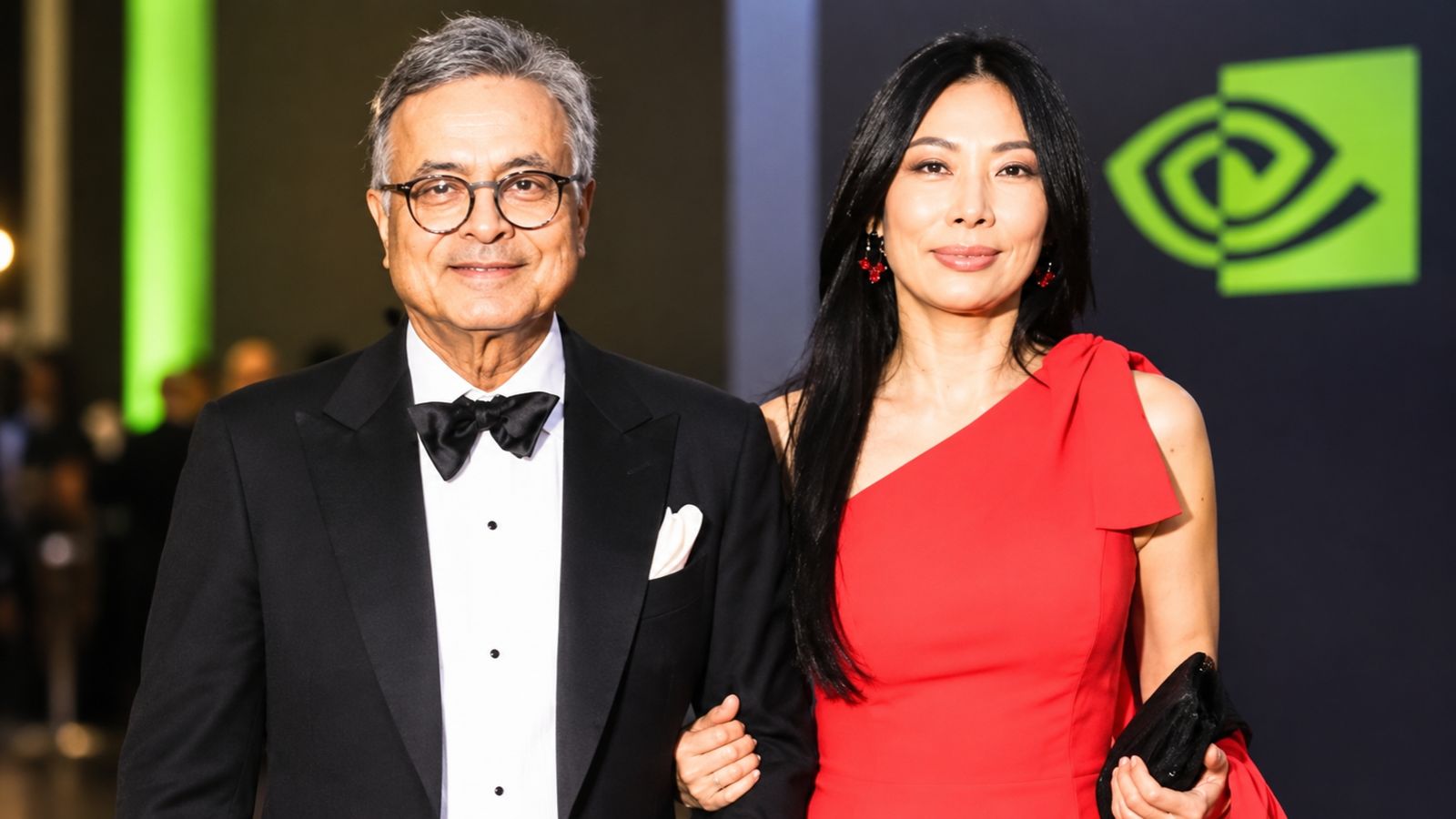
A personal relationship involving another senior Indian-origin executive at American chipmaker Nvidia has come into focus, adding to ongoing scrutiny over leadership ties and chip supply networks connected to China. Jay Puri, a former senior executive at Nvidia, married Cenly Chen, the chief growth officer of Super Micro Computer, on March 7, 2026, in Big Sur, California. The two had reportedly been in a relationship for several years before their wedding, drawing attention at a time when Super Micro employees face investigation over the alleged illegal supply of servers containing advanced Nvidia artificial intelligence chips to China.
According to media reports, the 71-year-old Puri held a key sales role at Nvidia and played an important part in managing commercial ties with Super Micro. Chen, a senior executive at Super Micro, maintained regular contact with Nvidia officials and visited Nvidia offices alongside her company’s chief executive officer. She is reported to have worked toward securing chip supplies from Nvidia for Super Micro clients.
Commercial Ties Between Nvidia and Super Micro
Reports indicate that Chen presented herself within Super Micro as the primary point of contact for matters involving Nvidia. During internal sales meetings, she instructed her team to bring Nvidia-related issues directly to her. Throughout this period, her personal relationship with Puri continued, though no evidence has emerged showing that their relationship resulted in improper commercial advantage.
Chen declined to comment on her personal life, stating that it has no connection to her professional work and that she never needed to rely on personal relationships to advance professionally. Neither Nvidia nor Puri responded to requests for comment on the matter.
Scrutiny Over Alleged Chip Smuggling Network
The revelations come against the backdrop of an investigation into an alleged chip smuggling network linked to Super Micro. On March 19, the United States Department of Justice unsealed charges against a Super Micro co-founder, a sales manager, and a third-party broker. Prosecutors allege that the individuals conspired to illegally transport servers worth more than 500 million dollars, equipped with advanced Nvidia chips, to China.
Earlier allegations also accused Super Micro employees of routing roughly 2.5 billion dollars worth of data servers containing Nvidia graphics processing units to China through a front company in Singapore. American investigators suspect the network was used to transfer artificial intelligence hardware subject to United States export controls. Federal Bureau of Investigation agents recently questioned an individual linked to Super Micro and sought information regarding top company executives, including Chen, though Chen stated that no federal agency has contacted her. Super Micro said it was a victim of the alleged scheme, pledged cooperation with investigators, and stated it had severed ties with the accused individuals.
Broader Leadership Questions at Nvidia
The development follows recent attention surrounding Nvidia Chief Executive Officer Jensen Huang over his alleged personal relationship with Alice Huang, who faced unconfirmed suspicions of espionage for China and was associated with Megaspeed, a company investigated over transferring artificial intelligence chips to China. A separate New York Times report also mentioned Huang’s alleged relationship with Nvidia executive Kimberly Powell, raising broader questions regarding leadership governance at the company.
Puri stepped down from his active role at Nvidia at the end of June and remained associated as a senior advisor, with tensions among top management cited as one factor behind his departure. The broader business network developed by Jensen Huang and Puri, which included Megaspeed and Super Micro to explore meeting Chinese artificial intelligence data center demand, has also come under Department of Justice scrutiny. Megaspeed stated that it complies with regulations and has initiated an independent legal review. While the events have raised serious questions about potential conflicts of interest and supply chain oversight, available information has not established commercial misconduct based on the executives’ personal relationships.