
Stay ahead with our breaking stories and exclusive coverage prioritized on Google.
Add The420 on Google →New York has enacted a five-year moratorium on covered children’s toys that contain artificial intelligence companions. Governor Kathy Hochul signed the bill on November 24, according to the New York State Senate’s legislative record. The measure also directs the state to study the risks and possible benefits of the products while the restrictions are in place.
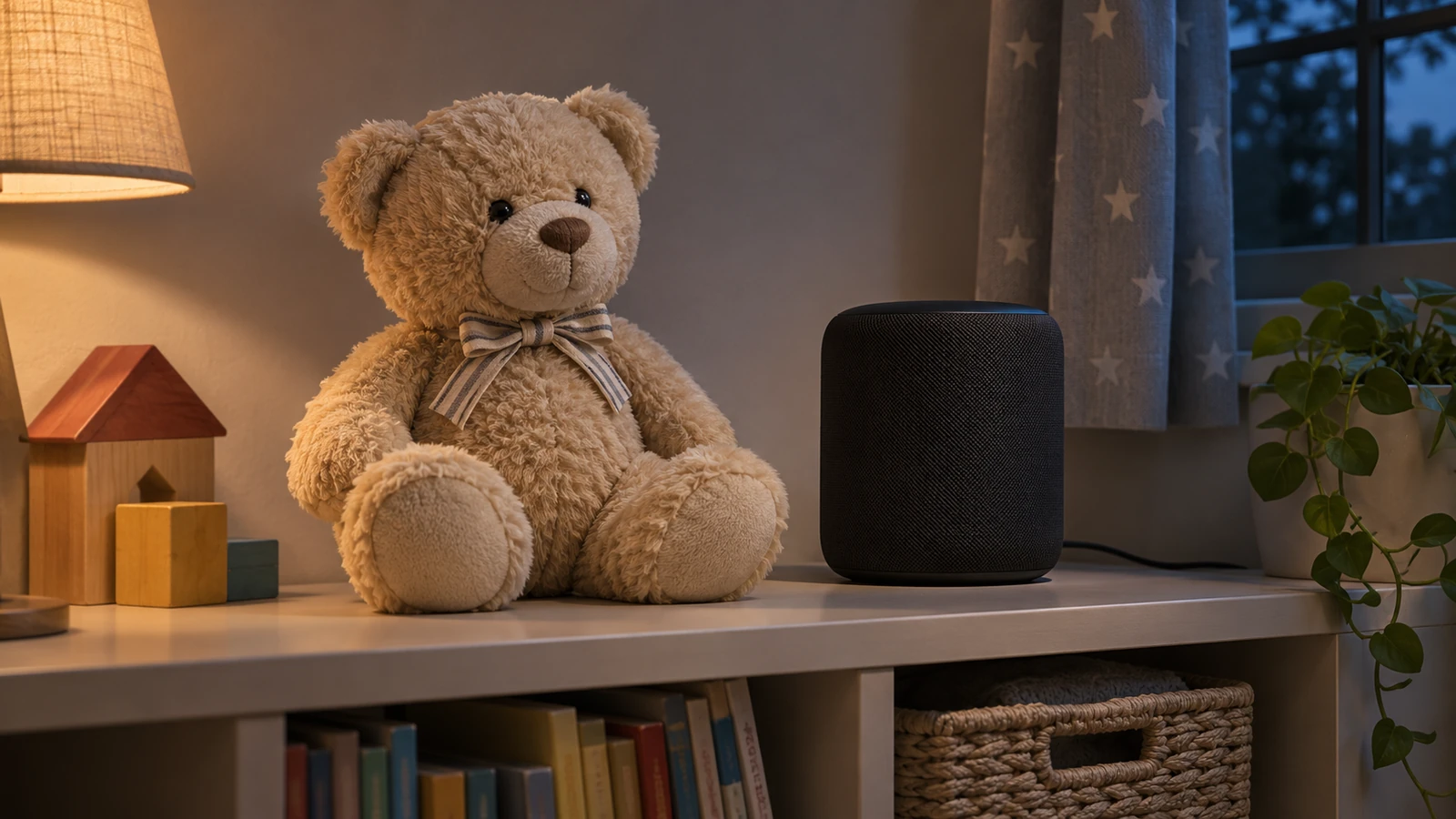
The law arrives as software that can converse with a user moves into objects sold for young children. A stuffed animal can remain familiar in form while the way it responds depends on an outside service, a changing model or information collected from earlier conversations. New York’s approach is to define a covered AI companion and restrict the market for toys that integrate one.
Which Toys Does the New Law Cover?
The legislation concerns children’s toys with an AI companion integrated into the product. It ties the toy definition to the federal consumer product safety definition and uses the state’s existing definition of an AI companion. The focus is on systems designed to simulate a continuing human-like relationship, with features such as remembering previous exchanges and encouraging ongoing engagement.
That boundary makes the product’s design important. An ordinary toy with a speaker may play a set of prerecorded lines. A more complex device may use conversational technology for one limited task. A covered toy presents a different question when it is designed to sustain a relationship with the user. Manufacturers and retailers will need to assess the text of the law and how it applies to particular products.
The legislative record describes restrictions on manufacture, exchange, distribution and sale in the state. Coverage is tied to products within the law’s definitions. It is not a ban on all household objects that talk or on every form of children’s software using AI.
Why Put a Time Limit on the Ban?
A moratorium gives policy makers time to gather information before deciding what longer-term rules should look like. New York’s study is intended to examine possible educational benefits, the risk of children becoming emotionally attached to chatbot toys and whether the products can displace human contact. The legislation also asks the state to look at how families use product safeguards.
The question is difficult because expectations about toys and expectations about online services are different. Parents may want to know what a toy can say and what information it retains. Children may react to a toy’s answers as if they were coming from a trusted character. The ability to personalise a conversation can make the experience more engaging while changing the kind of oversight parents need.
The enactment also illustrates a choice facing lawmakers. They can regulate risks through product design requirements or restrict a class of products while they gather evidence. New York opted for a temporary restriction and a study. The findings will help lawmakers decide what they want the market to look like when the moratorium ends.
What Should Families and Sellers Look For?
A useful description of a connected toy would make clear whether conversations are generated, whether the toy needs the internet and whether it stores past conversations. Families can also look for an explanation of who manages the service and what happens if a subscription ends. Retailers will need accurate product descriptions to identify which models are covered.
The measure was signed into law as Chapter 416. The governor’s announcement said it would take effect 90 days after signing. During that interval, companies that sell children’s products can compare what the device is marketed to do with the statute’s categories and seek advice where the line is unclear.
For readers following digital policy and regulation, the distinction matters beyond toys sold in New York. A product that invites a child to form an ongoing relationship raises questions about whose interests shape the conversation. The study will give the state a chance to examine what families can verify about those products, and where a practical safeguard might be possible.