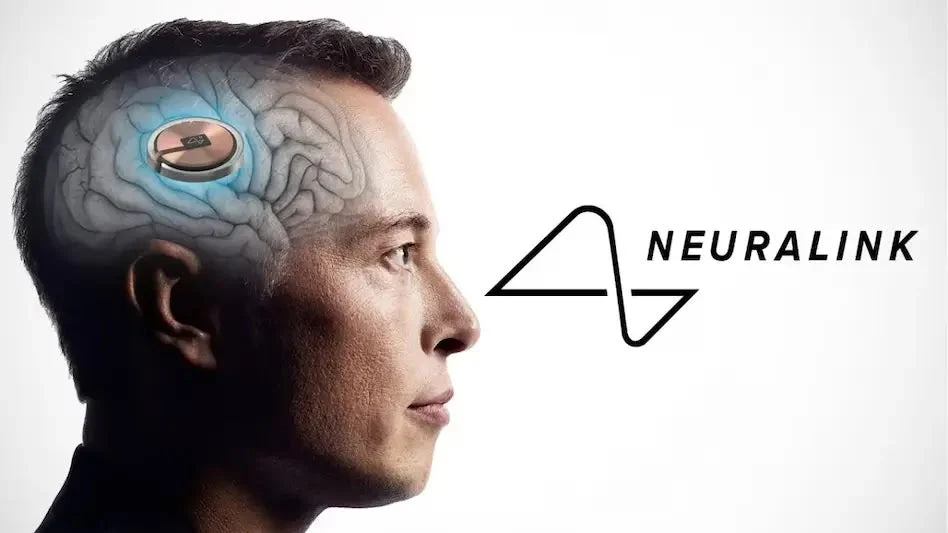


Neuralink says the US Food and Drug Administration has given it permission to begin a pivotal trial of its implantable brain-computer interface in people with severe paralysis caused by amyotrophic lateral sclerosis, or ALS. The next phase will examine whether people can use the system to control digital devices in ways that help them in daily life, while researchers track safety and reliability over time.
The company announced the decision on November 25 and said enrolment for the LINK Pivotal Study had opened. The stated permission applies to the study. It does not establish that regulators have approved the implant for general sale or concluded that the device is safe and effective for routine use.
What Will the Study Look For?
A brain-computer interface is designed to translate signals from the nervous system into commands a machine can use. In this case, the aim is to let a person control a digital device even when physical movement is severely limited. Neuralink says the pivotal study will run at several clinical sites and examine how control translates into useful activities and greater independence.
A laboratory demonstration can show whether a person can move a pointer or select a letter under controlled conditions. Everyday use asks more of the same system. A person may want to communicate when tired, use it for an extended period, or return to a device after it has been switched off. A meaningful assessment must account for how reliably the system works and how much support the user needs.
A pivotal study is intended to generate evidence relevant to a regulatory decision. The FDA’s overview of medical device clinical studies explains how investigational devices can be studied under regulatory oversight. The decision to permit a study is one stage in that process. A later decision concerning wider access would depend on the evidence and the applicable pathway.
What Do the Earlier Studies Tell Us?
Neuralink says more than 30 people across early feasibility studies in the United States, Canada and the United Kingdom have received implants and collectively used them for thousands of hours. The company has described participants using the technology to communicate, play games and pursue educational or creative activities. Such accounts illustrate what the technology can make possible for some people under the conditions studied.
They cannot by themselves predict what other participants will experience. A device may work well for a particular user and be more difficult for someone else to use. The neurological condition, what the participant wants to do, the environment, and the available help can all affect usability. A trial across multiple centres can help examine how the technology performs in settings beyond a single research team.
For an implanted system, follow-up matters as much as early performance. Researchers must consider the effects of implantation, the reliability of the equipment and the practical support required when a component or software feature stops working. People who depend on assistive devices need a realistic view of how problems will be handled, particularly when the device is connected to communication.
What Would Count as Useful Evidence?
A trial can help clarify how much the implant changes a participant’s ability to do something they value and how consistently that change lasts. A single measure of speed would capture only part of the benefit. Someone may place greater value on communicating independently for longer periods, using a familiar application or avoiding lengthy preparation.
The broader question for emerging technology research is whether the progress can be demonstrated across participants and clinical settings. Neuralink’s announcement confirms the next stage of its research. The results, when available, will be needed to assess which patients may benefit, how the system compares with other assistive options and what risks accompany its use.