
Follow us on Google News

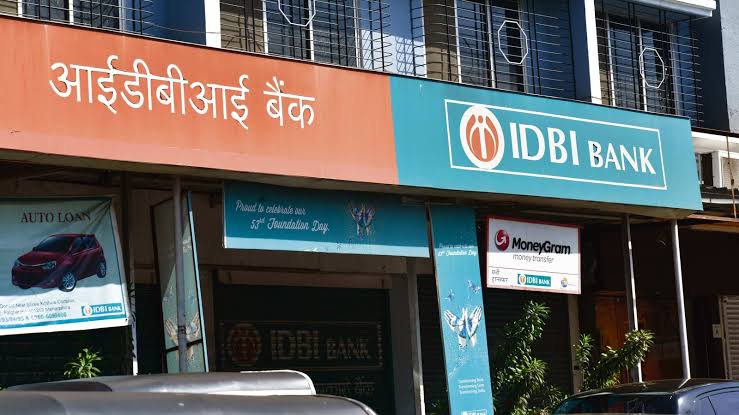
NEW DELHI: The Supreme Court has ruled that IDBI Bank does not fall under the definition of “State” within the meaning of Article 12 of the Constitution, clarifying that it cannot be treated as a government institution under this constitutional provision. While the verdict comes as a setback for the bank’s officers’ association, the central government has assured that the salaries, service conditions, and pension benefits of existing employees and pensioners will remain fully protected during the bank’s proposed strategic disinvestment.
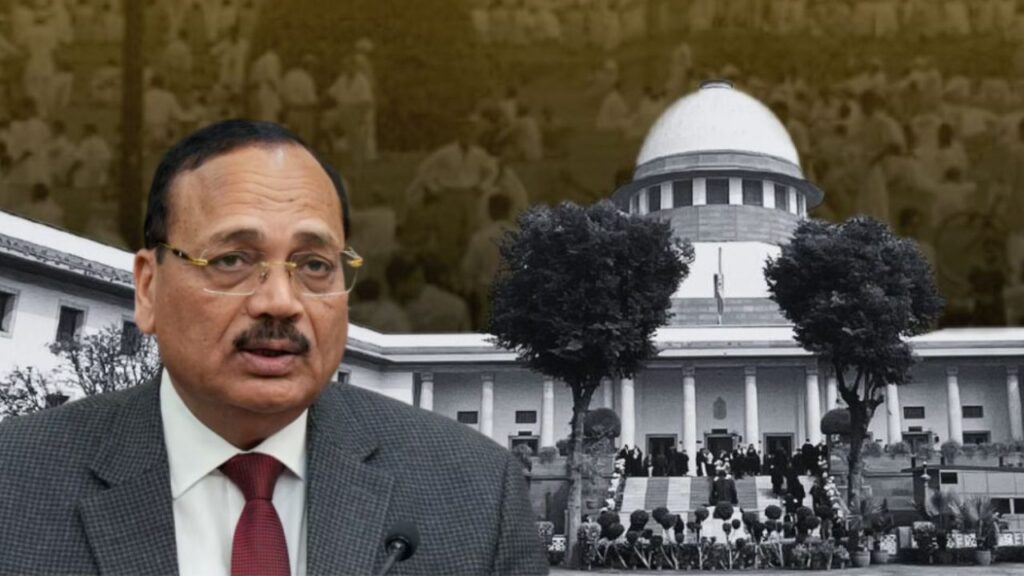
A bench comprising Justice JB Pardiwala and Justice K Vinod Chandran dismissed an appeal filed by the bank officers’ association last week against a 2022 Bombay High Court judgment. The High Court had rejected the association’s demand for additional retirement and provident fund benefits for employees following the merger of United Western Bank with IDBI Bank.
The association had argued that the central government exercised administrative, functional, and financial control over IDBI until 2018, and that state-controlled Life Insurance Corporation (LIC) also held a stake in the lender. On these grounds, the union contended that IDBI should be classified as a government entity. However, the Supreme Court rejected these arguments and declined to interfere with the Bombay High Court’s ruling.
Implications for Over 60 Percent Stake Sale
The apex court’s decision carries significant weight for the ongoing strategic restructuring and proposed stake sale in IDBI Bank. The central government and LIC are currently in the process of selling over 60 percent of their combined stake in the lender to Fairfax, a transaction that has drawn opposition from employee unions.
Employee associations had demanded the cancellation of the stake sale, raising questions over the bank’s valuation and arguing that benchmarking IDBI against public sector bank shares was inappropriate given its private-sector status. Staff unions had also voiced concerns that privatization could adversely affect their pay scales, service conditions, retirement dues, and pensions.
Centre Assures Protection of Staff Service Conditions
Department of Investment and Public Asset Management (DIPAM) Secretary Arunish Chawla clarified that under labor codes, neither the central government nor LIC is the employer of IDBI Bank staff, as the bank itself is the sole employer. He explained that strategic transactions are executed through share purchase agreements governed by contract law.
Chawla noted that DIPAM appoints transaction and legal advisors to negotiate with prospective buyers and bank management, while IDBI operates as a board-driven banking company that conducts internal consultations with its workforce. According to him, comprehensive safeguards have been built into the transaction to protect employees and pensioners.
Existing employees’ service conditions cannot be altered, modified, or negatively impacted after the strategic restructuring, Chawla stated, adding that all service rules framed by the bank’s board have been incorporated into the annexures of the draft agreement. He also affirmed that pensioners’ interests are completely secure through a dedicated fund ensuring full payment of all pension benefits.
Valuation of Mumbai and Hyderabad Properties Clarified
Addressing questions raised over the valuation of two major IDBI Bank properties, the DIPAM Secretary explained the methodology applied. The land housing the bank’s headquarters at Cuffe Parade in Mumbai is held on a 60-year lease, and its valuation was calculated based on rental savings over the remaining 25 years of the lease period.
Regarding the bank’s training center property in Hyderabad, Chawla stated that it cannot be freely sold or transferred in the open market. Consequently, comparing its valuation to other properties sold through open-market auctions would not be appropriate. The Supreme Court’s ruling has settled the long-standing legal debate over IDBI Bank’s constitutional status, keeping employee safeguards and asset valuation at the forefront as the disinvestment process moves ahead.