
Follow us on Google News

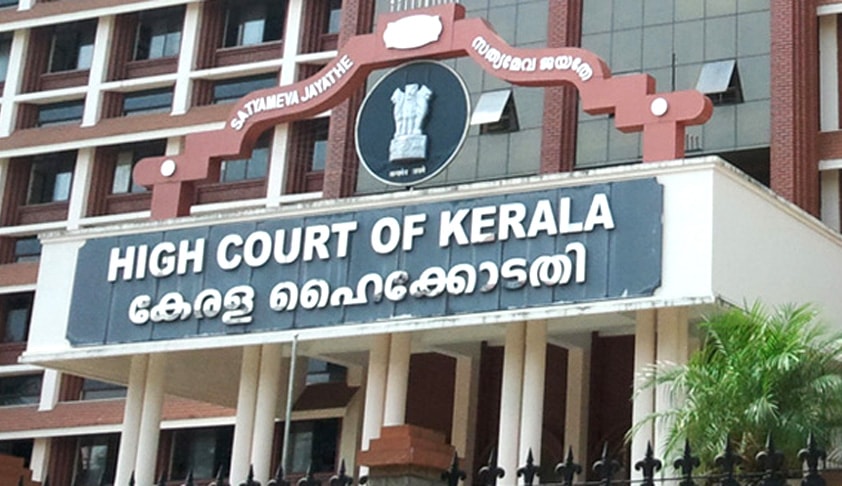
KOCHI: The Kerala High Court has approved strict enforcement measures to protect the Pamba River from pollution during the ongoing Mandala-Makaravilakku pilgrimage season at Sabarimala. Upholding a prohibitory order issued by the Additional District Magistrate (ADM), the court cleared the imposition of spot fines of up to Rs 5,000 against individuals caught dumping clothes, plastic, and other waste into the river. The bench underscored that strict adherence to cleanliness regulations is mandatory to preserve the river’s sanctity and warned that negligence on the part of authorities would not be tolerated.
A division bench comprising Justice Raja Vijayaraghavan V and Justice KV Jayakumar issued the directives while considering matters arising out of Report No. 32/2026 submitted by the Sabarimala Special Commissioner. The court noted that the ADM’s directive, issued under Section 163 of the Bharatiya Nagarik Suraksha Sanhita (BNSS), 2023, aligns with earlier judicial orders aimed at curbing the unregulated disposal of pollutants into the waterbody.
During the hearing, counsel appearing for the Travancore Devaswom Board (TDB) informed the bench that awareness drives had been launched to advise pilgrims against discarding clothes and waste in the river. However, after reviewing an inspection report filed by an environmental engineer of the Kerala State Pollution Control Board (KSPCB), the court flagged serious lapses in sewage treatment, solid waste management, and riverfront sanitation.
Urgent Overhaul Ordered for Sewage Treatment Plants
The High Court observed that the functioning of the Sewage Treatment Plants (STPs) at Pamba requires immediate intervention. Acting on the KSPCB’s findings, the court directed the Travancore Devaswom Board to desilt and thoroughly clean all STP tanks without delay.
Authorities were further instructed to restore all four clarifiers, filters, pumps, and treatment units to their designated operational capacities. The pollution control board also recommended repairing defects in the chemical dosing systems, flow meters, pH meters, electrical panels, blowers, and pumps, followed by obtaining proper technical certification for the entire facility.
Technical Flaws Flagged in Incinerator Operations
The KSPCB inspection report raised serious concerns regarding the condition of the waste incineration plant, calling for comprehensive repairs. The board recommended immediately fixing technical faults in the machine switches, diesel pumps, and blowers. It also stressed the need to expedite the replacement of the incinerator building’s roof to prevent rainwater from seeping inside and impairing the machinery.
Emphasizing strict waste segregation at the source, the board stated that organic, recyclable, and non-recyclable waste must be separated into distinct categories. It recommended banning the direct feeding of unsegregated waste, plastics, and PET bottles into the incinerator, while advising that only trained personnel be deployed to operate the equipment.
Concerns Over Floral Waste and Discarded Clothes
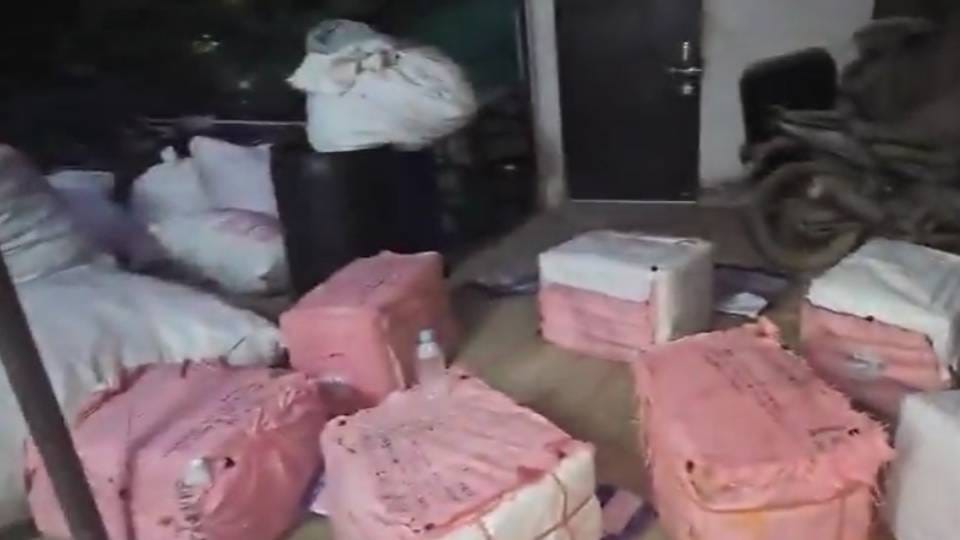
Standing counsel for the pollution control board informed the court that floral waste was also being fed into the incinerator, adversely affecting its efficiency. To resolve this, the board suggested engaging specialized agencies involved in flower recycling. Meanwhile, to tackle the mounting pile of clothes abandoned by pilgrims along the riverbanks, the report recommended deploying permanent sanitation workers at Pamba Arattukadavu and adjoining stretches.
Addressing the transportation of discarded clothes to the Clean Kerala Company Limited (CKCL), the Devaswom Board stated that a contractor had been engaged for the task. However, the High Court directed the board to clearly outline the contractor’s specific responsibilities and the exact mechanism established for transferring the collected garments to the agency.
In a separate submission, the Special Government Pleader informed the bench that approval had been granted to extend police mess facilities to 183 permanent medical and paramedical staff on duty. Requests to extend the facility to other personnel, including panchayat workers, will be considered upon receiving formal applications. The court directed the TDB counsel to gather detailed instructions regarding sanitation upgrades, floral waste disposal, and compliance with KSPCB recommendations ahead of the next hearing on December 8.