
Follow us on Google News

Germany has begun its first tactical trials of kamikaze drones alongside an artificial intelligence-powered battlefield targeting system in Lithuania, marking a significant expansion of its military technology capabilities amid heightened security tensions in Eastern Europe.
The tests took place on November 22 at the Rudninkai military training ground, close to the Belarus border, during Freedom Shield, Germany’s largest military exercise in Lithuania so far.
German Army Chief Lieutenant General Christian Freuding witnessed the demonstration of explosive drones developed by German defence technology companies Helsing and Stark.
The military also tested Helsing’s Clarity software, an AI-powered system designed to analyse information from satellites, drones and other battlefield sensors to help commanders identify potential targets and make decisions more quickly.
The development comes as Germany prepares to permanently station approximately 5,000 soldiers in Lithuania by the end of 2027, strengthening NATO’s military presence near Russia and Belarus.
FCRF Launches Certified Chief Risk Officer (CRO) Program for India’s Risk Leaders
German Army Tests Kamikaze Drones Against Armoured Vehicles
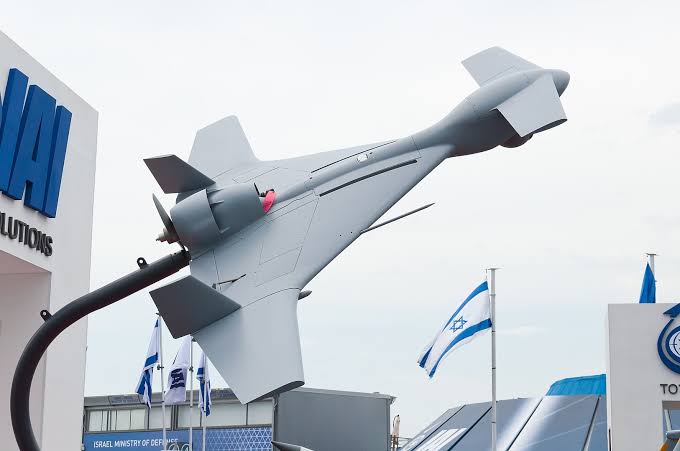
During the exercise, German soldiers demonstrated loitering munitions developed by Helsing and Stark.
These drones are designed to remain airborne while searching for targets before descending towards them and detonating on impact.
At Rudninkai, the drones carried inert warheads and struck main battle tank targets during the demonstration.
An inert warhead does not contain an operational explosive charge, allowing military personnel to test equipment without conducting a live detonation.
The trials represent an important step for Germany, which decided in 2025 to purchase loitering munitions after years of political debate over armed drones.
Earlier this month, Helsing’s HX-2 and Stark’s Virtus systems also passed live-fire trials at Germany’s Meppen military testing facility.
Those tests assessed whether the weapons could strike designated targets and whether their warheads functioned as intended.
However, passing individual tests does not mean the weapons have completed military qualification or entered full operational service.
Germany expects initial deliveries for training, with its armoured brigade in Lithuania among the first formations scheduled to receive the systems in 2027.
How AI-Powered Clarity Software Helps Identify Battlefield Targets
Alongside the drone trials, German troops tested Helsing’s Clarity targeting software in Lithuania.
The system uses artificial intelligence to process information collected from satellites, surveillance drones and other military sensors.
Modern battlefields generate enormous amounts of information, including photographs, video footage, movement patterns and location data.
Analysing this material manually can take considerable time, particularly when information is arriving from multiple sources simultaneously.
Clarity is designed to help military personnel examine these inputs, identify relevant developments and receive recommendations for possible action.
For example, surveillance footage may contain information about moving vehicles or changes in positions that military analysts need to examine.
AI can help organise and analyse such information more quickly, allowing commanders to assess situations without reviewing every piece of raw data individually.
However, identifying a potential target through AI is not the same as allowing a machine to independently authorise an attack.
The available reporting does not establish that Clarity can autonomously approve lethal strikes or that Germany has authorised fully independent AI targeting decisions.
The distinction is important because the use of artificial intelligence in warfare raises questions about accountability, reliability and human control.
Germany Expands Military Presence As Drone Warfare Reshapes Defence
The trials form part of Germany’s broader effort to modernise its armed forces following Russia’s full-scale invasion of Ukraine in February 2022.
Both Russia and Ukraine have extensively deployed one-way attack drones during the conflict, demonstrating how relatively small unmanned systems can threaten expensive military equipment.
Germany has consequently increased spending on modern weapons, digital systems and battlefield surveillance technology.
In February 2026, German lawmakers approved procurement contracts worth €268 million each for Helsing and Stark, with possible additional purchases subject to further approvals.
The German military is also evaluating AI systems capable of accelerating battlefield analysis and supporting operational decisions.
In September, officials disclosed that approximately 30 AI tools were being assessed for possible military use from 2027.
The latest Clarity trial represents a practical step in testing such technology alongside conventional military operations.
Germany’s planned permanent deployment in Lithuania also reflects NATO’s efforts to strengthen security along its eastern flank.
The newly formed Panzerbrigade 45 will eventually include around 5,000 troops and 2,000 vehicles. Approximately 1,800 German soldiers are already stationed in Lithuania.
NATO officials have expressed concern about potential future Russian military threats, while Moscow denies aggressive intentions towards alliance members.
AI Weapons Testing Raises Questions About Human Control
The increasing use of AI-assisted targeting systems has prompted debate over how much responsibility should remain with human military personnel.
Automated systems may process information faster, but inaccurate data or incorrect recommendations could have serious consequences during military operations.
Questions also remain about how commanders should verify AI-generated assessments before making decisions involving force.
Germany’s latest trials do not establish that machines are independently selecting and attacking targets.
Instead, they demonstrate the military’s growing interest in combining unmanned weapons with AI-supported battlefield analysis.
For now, the technologies remain under testing, with further evaluation required before widespread deployment.
AI-assisted military systems could influence future defence technologies, including those developed in India. Their deployment raises important questions about human oversight, system reliability and accountability when automated recommendations influence decisions involving lethal force.