
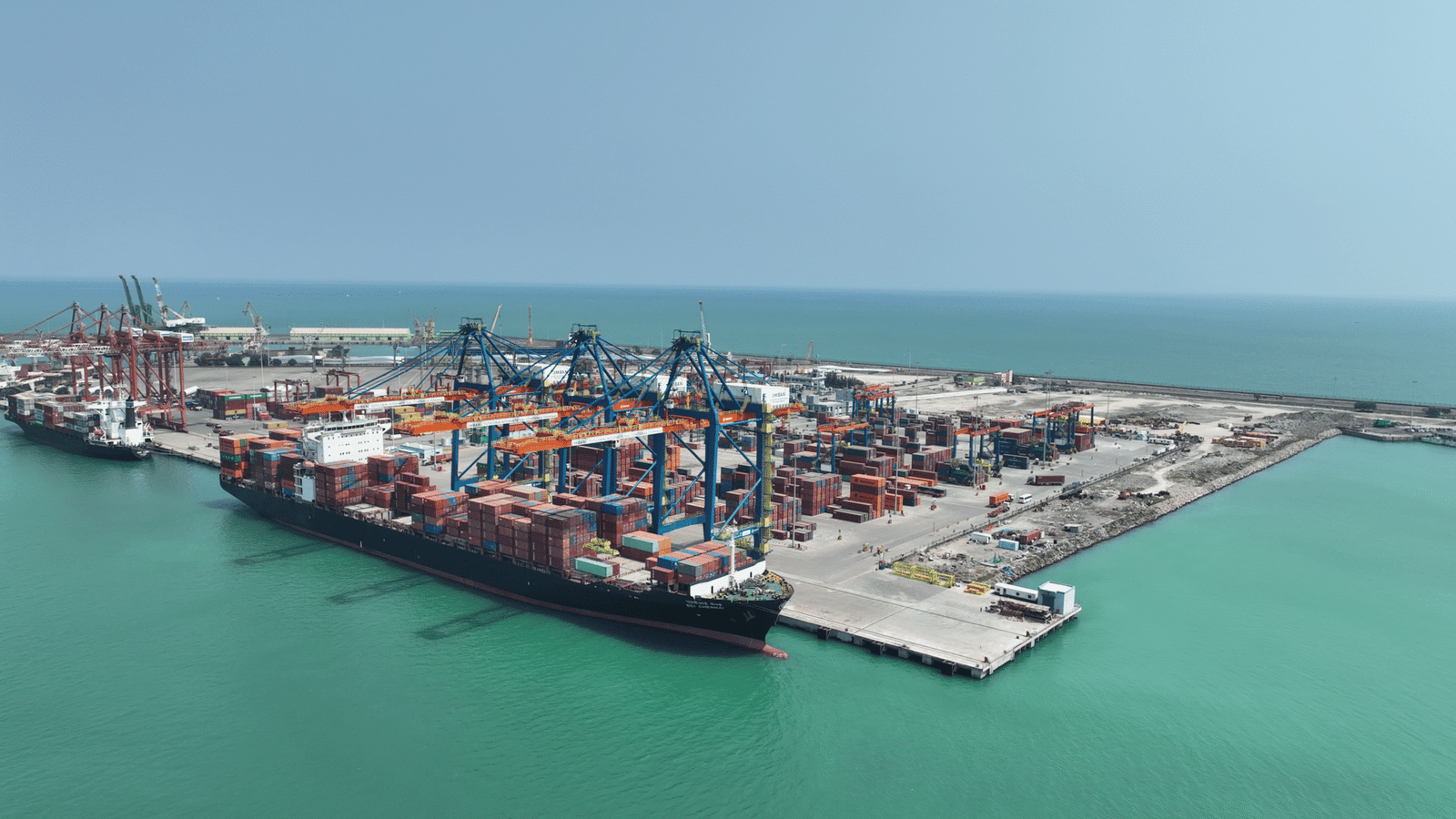

The global shipping industry has long run on traditional paperwork, rigid schedules, and manual coordination. However, a major digital wave is hitting India’s logistics sector. In a groundbreaking move for maritime governance, the V.O. Chidambaranar Port Authority (VOCPA) in Thoothukudi has officially rolled out “PortGPT”—making it the first major port in India to deploy an enterprise-grade generative artificial intelligence platform through a dedicated mobile application.
Launched by Union Minister for Ports, Shipping and Waterways Sarbananda Sonowal, this digital pivot signals a dramatic change in how domestic ports operate. By leveraging generative AI, the port aims to transition away from clunky legwork and toward instantaneous, data-driven automation.
The Rise of Enterprise AI in Maritime Logistics
At its core, PortGPT is designed to act as an intelligent digital assistant for the port’s massive ecosystem of employees, customs house agents, and shipping operators. Rather than forcing personnel to manually comb through spreadsheets or check fragmented online portals to trace cargo, PortGPT brings a conversational interface to daily operations.
Using natural language queries, users can check complex vessel turnaround schedules, track container locations across terminals, and clarify administrative compliance protocols instantly. The system essentially aggregates fragmented operational silos into a single, highly responsive AI interface, drastically reducing the processing times that typically bottleneck busy maritime corridors.
Building the ‘Digital Twin’ of Modern Shipping
The launch of PortGPT is not a standalone experiment; it represents a foundational block in VOC Port’s long-term “Digital Twin” strategy. A Digital Twin is a dynamic virtual replica of the physical port infrastructure that updates continuously using real-time sensor data, tracking truck gates, crane allocations, and berth vacancy slots.
By integrating generative AI into this virtual framework, administrators can run predictive simulations. The system can evaluate potential land-side bottlenecks or sea-side delays before they manifest, giving port authorities a proactive, predictive grasp over logistics management.
This digital transformation directly lines up with India’s broader Maritime Amrit Kaal Vision 2047, which mandates the modernization of the country’s ports to compete directly with highly automated global transit hubs like Singapore and Rotterdam.
A Decarbonized and Sustainable Horizon
Alongside this AI-driven expansion, the port is undergoing an equally intense green overhaul. Simultaneously with the PortGPT launch, VOCPA was certified as a Scope-2 Emission-Free Port. According to the port’s 2026 Sustainability Report, the facility has successfully cut its net carbon emissions by 45% over the past four years, with renewable energy sources now offsetting nearly 94% of its overall energy consumption.
To codify these achievements, a specialized case study by IIM Calcutta—titled The Hydrogen Pivot—was released alongside a fresh partnership with Gati Shakti Vishwavidyalaya to build a specialized Centre of Excellence in Maritime Logistics. By combining green hydrogen pilots, massive carbon reductions, and generative AI infrastructure, VOC Port is effectively establishing the blueprint for the next generation of sustainable, technology-driven ports in the region.
Follow for daily updates on cybercrime, corporate fraud, DFIR, hacking, investigations, and digital forensics
