
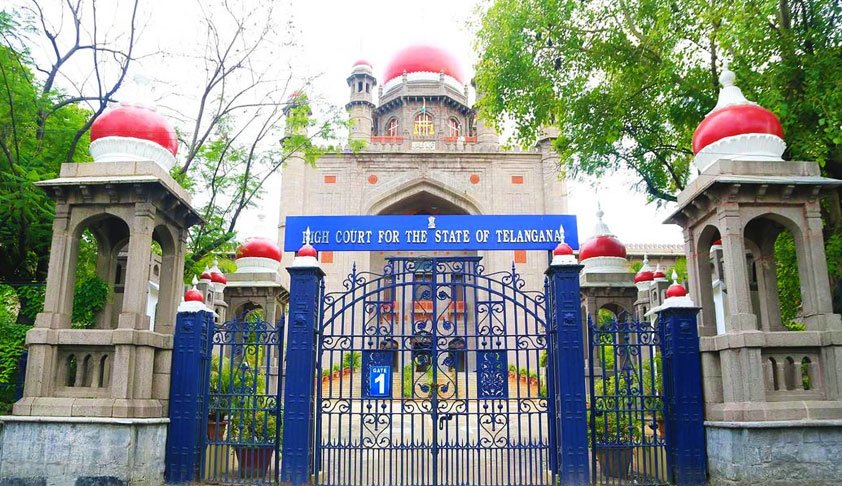
The Telangana High Court has cancelled land ownership rights that were allegedly secured using forged and fraudulent documents, reaffirming that property claims based on fabricated records cannot be sustained under law. The court observed that revenue authorities and registration officials must act strictly within legal procedures while dealing with disputed land titles and ownership claims.
Court Finds Serious Irregularities in Land Documents
The matter came before the Telangana High Court after allegations surfaced that certain individuals had secured land rights and related revenue entries using fabricated records and manipulated documentation. During the proceedings, the court examined the legality of the documents relied upon to establish ownership claims.
The High Court noted that fraudulent or forged documents cannot create valid legal rights over land and that any transactions or registrations based on such material are liable to be set aside. The court further stressed that government authorities cannot recognize ownership claims that originate from illegality or document fabrication.
FCRF Academy Launches Premier Anti-Money Laundering Certification Program
Revenue and Registration Authorities Under Scrutiny
The court also examined the role of revenue and registration officials in processing the disputed land records. Judicial observations indicated that authorities are expected to verify the authenticity of documents before recording mutations, registrations, or ownership transfers.
The ruling comes amid growing scrutiny in Telangana over land disputes involving alleged fake judicial orders, forged succession records, manipulated sale deeds, and fabricated ownership claims. In recent months, multiple investigations and court proceedings have highlighted attempts to illegally acquire government or disputed land through fraudulent paperwork.
HC Reiterates Limits of Revenue Proceedings
While hearing the matter, the High Court reiterated that questions relating to title ownership and disputed property rights generally require proper adjudication before competent civil courts. The court observed that administrative or revenue proceedings cannot validate ownership where the foundational documents themselves are alleged to be fraudulent.
The judgment also underlined the importance of following principles of natural justice before cancelling or modifying land registrations and ownership entries. Courts have repeatedly held that unilateral actions without due process are legally unsustainable.
Rising Concern Over Land Fraud Cases in Telangana
The latest ruling adds to a series of cases in Telangana involving allegations of land grabbing and fraudulent property transactions. Law enforcement agencies and courts have recently dealt with cases involving forged death certificates, fake legal heirs, fabricated power of attorney documents, and manipulated registration records to illegally transfer valuable land parcels.
Legal experts say the High Court’s observations could strengthen future action against fraudulent land transactions and reinforce accountability among officials handling property registrations and land records.
