

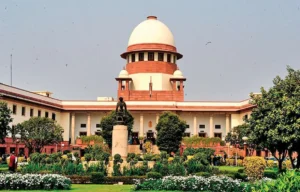
The Supreme Court has questioned the wide gap between the price at which some medicines are sold by manufacturers to retailers and the maximum retail price printed on them, raising concerns over the impact of such pricing on patients.
The court referred to an essential cancer medicine with a price to retailer of ₹2,700 and an MRP of ₹27,000, describing the tenfold difference in strong terms and questioning the silence of authorities responsible for addressing the issue.
What Price Difference Did the Court Question?
The Supreme Court highlighted the example of an essential cancer medicine carrying an MRP of ₹27,000 despite being sold by the manufacturer to the retailer for ₹2,700.
The difference means the printed maximum retail price is ten times the price at which the medicine reaches the retailer from the manufacturer.
Proposal for Conducting Cyber Crisis Drill, Tabletop Exercise (TTEx) & CCMP Readiness Exercise
Why Did the Court Raise Concern?
The court focused on the consequences of such a large price difference for patients purchasing essential medicines.
It observed that a patient could ultimately be charged on the basis of an MRP of ₹27,000 for a medicine supplied by the manufacturer to the retailer for ₹2,700.
The court described such pricing as “extortion” and used the expression “broad daylight dacoity” while questioning how such a substantial gap could be permitted.
What Did the Court Say About Cancer Medicines?
The court specifically referred to essential medicines used for cancer while raising the pricing issue.
“There are medicines, essential medicines for cancer, which the MRP is 27,000 and the PTR (Price To Retailer) is 2700,” the court observed.
It questioned how patients could face an MRP ten times the price charged by the manufacturer to the retailer.
What Did the Court Say About Patients?
The court said patients were being adversely affected by the pricing difference.
It questioned a system in which a manufacturer could sell a medicine to a retailer for ₹2,700 while the same product carried an MRP of ₹27,000.
The observations placed the impact on patients at the centre of the concern, particularly when essential medicines are involved.
Why Did the Court Question the Authorities?
The Supreme Court also expressed surprise over the response of authorities responsible for taking decisions on the issue.
“It is very surprising that the authorities who are supposed to take the decision on this are absolutely silent,” the court observed while addressing the Centre.
Its remarks raised questions over why such a substantial difference between the price to retailer and the printed MRP was being allowed to continue.
What Is the Central Issue Before the Court?
The concern raised by the Supreme Court centres on the gap between the price charged by manufacturers to retailers and the maximum price printed for consumers.
The example cited by the court showed a tenfold difference involving an essential cancer medicine. Its observations focused both on the burden placed on patients and on the role of authorities expected to address such pricing practices.
The Supreme Court’s observations put the spotlight on how medicine pricing can affect patients when there is a substantial difference between the manufacturer-to-retailer price and the printed MRP. In the example before the court, that difference was tenfold, prompting sharp questions about both the pricing practice and regulatory response.
Follow for daily updates on cybercrime, corporate fraud, DFIR, hacking, investigations, and digital forensics
