
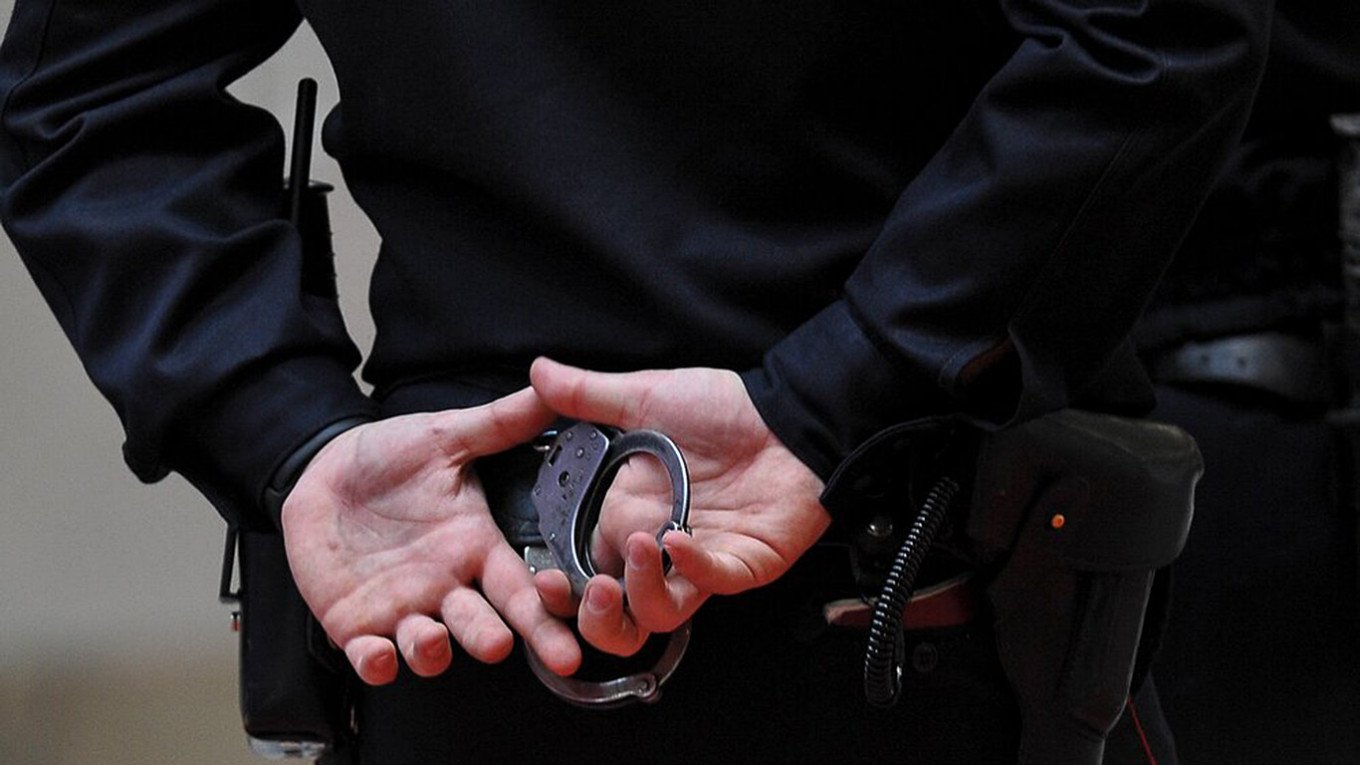

The Russian military apparatus has been hit by another high-profile corruption scandal following the arrest of Major General Alexander Dembitsky. Legal authorities in Moscow have ordered the senior officer to be held in pre-trial detention at the high-security Lefortovo Detention Center. The arrest is part of a sprawling investigation by the Russian Investigative Committee into an intricate criminal network accused of exploiting regular recruits, conducting multi-million-ruble fraud schemes, and operating a systemic syndicate of violent extortion.
The Operational Alliance with Yastreb
Before his abrupt detention, Major General Dembitsky served as the commanding head of a newly created army corps operating within the Leningrad Military District. Military investigators reveal that an irregular, private paramilitary unit known as “Yastreb” (Hawk) was legally and logistically attached to Dembitsky’s official command structure. While the precise timeline of Dembitsky’s active service or his official discharge remains obscured by military secrecy, his systemic integration with irregular volunteer groups forms the core backbone of the state’s criminal case against him.
The foundational breakthrough in the investigation materialized when Alexei Marushchenko, the original founder of the Yastreb mercenary outfit, decided to cooperate with state investigators. Facing a severe slate of independent criminal charges—including murder, large-scale financial fraud, weapons trafficking, kidnapping, and the flagrant abuse of official authority—Marushchenko entered into a formal plea agreement. His detailed testimony explicitly implicated Dembitsky as a key protector and administrative facilitator of the network’s extortionate operations. At present, at least ten other active operatives tied directly to Yastreb are facing aggressive prosecution as the broader network continues to unravel.
Systematic Extortion and Brutality Against Conscripts
The operational framework of the syndicate relied heavily on deception and physical intimidation targeting vulnerable service personnel. Investigators have formally documented that the co-conspirators successfully deceived at least 89 regular military recruits into signing contract agreements with the irregular Yastreb group. Once trapped within the command structure of the private mercenary unit, these recruits were systematically isolated and subjected to high-pressure financial extortion schemes. Forensic accounting teams have already verified that the network siphoned more than 8.8 million rubles from these targets under the guise of bureaucratic processing fees, equipment allocations, and administrative penalties.
The investigation files detail a chilling pattern of physical coercion used to enforce compliance when recruits resisted financial demands. In one severe instance highlighted by prosecutors, an uncooperative recruit was placed in handcuffs and systematically beaten over several days. The prolonged torture continued unabated until the victim finally conceded to a forced digital transfer of 500,000 rubles directly into the personal accounts of the suspects. Investigators believe this level of violent enforcement was standard practice across the unit to maintain strict control over internal capital flows.
Media Abductions and the Lefortovo Legal Stand
The criminal operations of the Dembitsky-Yastreb network eventually extended beyond internal military shakedowns to target independent civil actors. The official indictment contains alarming documentation regarding the forced abduction of an independent Russian war correspondent who had begun investigating rumors of corruption and recruit abuse within the Leningrad Military District. Realizing that their financial pipeline was jeopardized, members of the syndicate allegedly kidnapped the journalist and held him in an undisclosed location. They subsequently contacted his wife, demanding a ransom payment of one million rubles in exchange for his safe release before law enforcement intervened.
Dembitsky continues to maintain his absolute innocence from his cell inside the walls of Lefortovo prison. His legal defense team has publicly declared intentions to file an immediate appeal with a higher military court to contest the pre-trial detention mandate, though an official hearing date has not been finalized. The broader criminal probe was originally initialized in February 2025. Since its opening, forensic teams have processed thousands of pages of banking documents, digital communications, and recruitment records while collecting oral testimony from over 800 separate witnesses. State prosecutors have strongly signaled that further high-level arrests could follow as forensic teams dig deeper into the illicit financial trails linking regular army commanders with shadow paramilitary organizations.
Follow for daily updates on cybercrime, corporate fraud, DFIR, hacking, investigations, and digital forensics
