

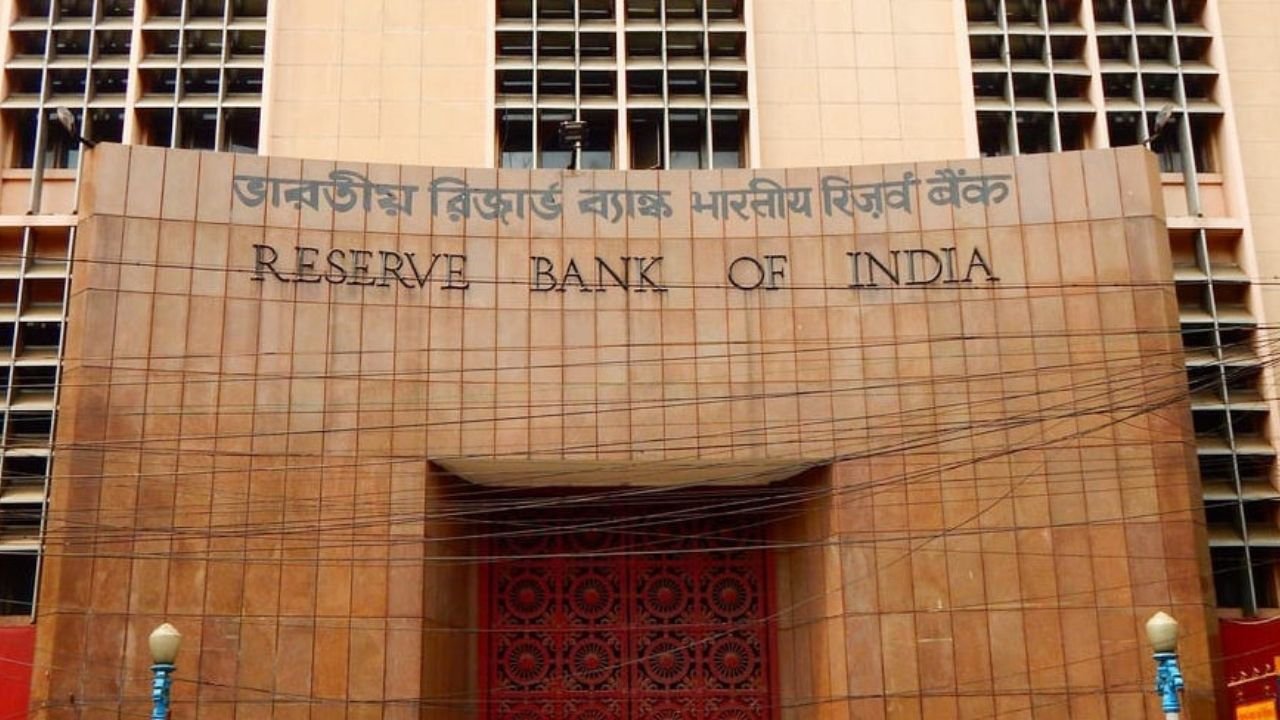

Mumbai | The Reserve Bank of India (RBI) has intensified its oversight of the non-banking financial sector by cancelling the certificates of registration of 135 non-banking finance companies (NBFCs). According to information released by the central bank on Wednesday, the action was taken on regulatory, operational, and statutory grounds. In a separate development, 13 other NBFCs voluntarily surrendered their registration certificates to the RBI.
The move is being viewed as a significant step towards strengthening transparency, accountability, and regulatory discipline in India’s financial system. NBFCs play a crucial role in credit delivery, investments, and a range of financial services, making regulatory compliance a key requirement for their continued operation.
FCRF’s Flagship Cyber Law Certification Returns With a New Four-Week Cohort
Among the companies whose registration certificates were cancelled are Express Fincap House, Akshay Fiscal Services, Times Finance (P), Jupiter Projects (P), Jupiter Finvest, Essel Finance Business Loans, and Citiwide Financial Services. According to the RBI’s release, a majority of the affected companies had their registered offices located in West Bengal.
Financial experts note that such actions are aimed not only at enforcing compliance but also at safeguarding the interests of customers and investors. Under existing regulations, the RBI has the authority to revoke an NBFC’s registration if it fails to meet prescribed regulatory requirements or operational standards.
In a separate notification, the central bank stated that 13 NBFCs had voluntarily surrendered their licences. Some of these companies decided to exit the non-banking financial business altogether, while others ceased to exist as legal entities due to mergers, amalgamations, dissolution, or voluntary strike-off proceedings.
Companies that surrendered their licences after exiting the NBFC business include J. Thomas Finance, Econ-Super Sales, Hitesha Finance and Investment, Tinnevelly Tuticorin Investments, Carnex Vinimay, and Impact Leasing. According to the RBI, these entities are no longer engaged in Non-Banking Financial Institution (NBFI) activities and therefore returned their certificates of registration.
Additionally, Forerunner Capital Investments surrendered its licence after meeting the criteria applicable to an unregistered Core Investment Company (CIC), a category that does not require registration with the RBI under the applicable regulatory framework.
Meanwhile, Caspian Impact Investments, Hari Darshan Sales, Ivory Consultants, SKA Consultancy Services, Trishita Management, and Suban Trades also surrendered their licences. The RBI clarified that these companies ceased to be legal entities due to amalgamation, merger, dissolution, voluntary strike-off, or similar corporate restructuring processes.
Industry observers say the RBI regularly reviews the NBFC sector to ensure that only compliant and financially sound institutions continue operating. Over the past few years, the regulator has tightened norms related to risk management, capital adequacy, corporate governance, and customer protection in an effort to strengthen the resilience of the financial system.
However, experts caution that the cancellation or surrender of registration does not automatically imply financial misconduct or wrongdoing by all affected entities. In many cases, companies voluntarily close operations, reorganize their corporate structures, merge with other entities, or discontinue NBFC activities for strategic business reasons.
Nevertheless, the cancellation of registrations on such a large scale highlights the growing importance of regulatory compliance in India’s non-banking financial sector. It also underscores the RBI’s commitment to maintaining strict oversight of institutions operating within the country’s financial ecosystem.
Financial analysts advise investors and customers to verify the regulatory status and registration credentials of any financial institution before entering into transactions or investment arrangements. The latest action serves as a reminder that regulatory approval and ongoing compliance remain essential for companies operating in the NBFC space.
The RBI’s decision signals its continued determination to uphold transparency, accountability, and financial stability, while ensuring that only entities meeting prescribed standards remain active participants in India’s financial sector.
