

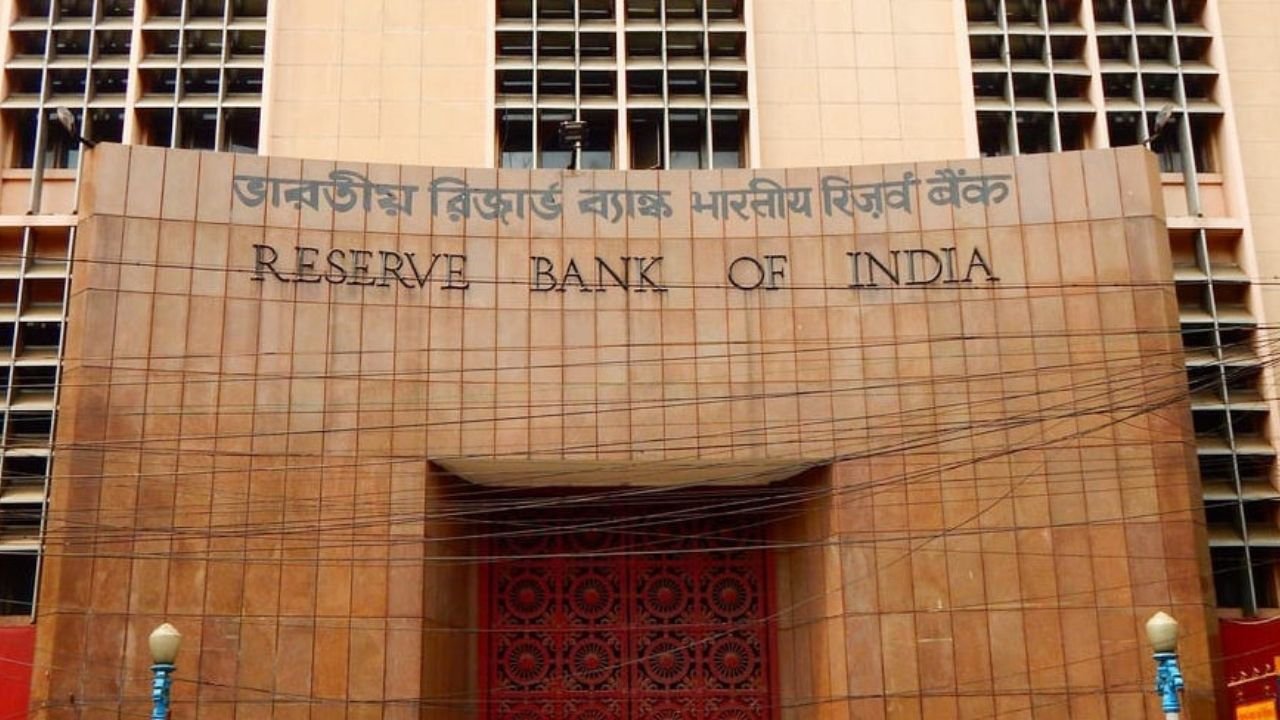

New Delhi | The Reserve Bank of India (RBI) has introduced a major regulatory reform aimed at improving transparency and institutional accountability in the country’s cooperative banking sector. The central bank has decided to implement a mandatory “cooling-off period” for directors serving on the boards of Urban Cooperative Banks (UCBs) and Rural Cooperative Banks (RCBs). Under the new rule, any director who remains continuously on the board of a cooperative bank for 10 years will be required to step down for a specified period before becoming eligible again.
Issuing the final amended governance directions, RBI stated that the move has been introduced in line with the spirit of the Banking Regulation Act, 1949 to strengthen governance standards in cooperative banks. According to the central bank, prolonged control of a board by a single individual or group can adversely affect institutional independence, transparency and fair decision-making. The new framework is intended to ensure board-level rotation and balanced governance practices.
FCRF’s Flagship Cyber Law Certification Returns With a New Four-Week Cohort
The development follows draft amendment directions issued by RBI on January 8, 2026. The draft proposals included several governance-related reforms concerning board functioning, responsibilities of directors, institutional accountability and management oversight in cooperative banks. RBI had invited feedback and suggestions from stakeholders, banking institutions and industry experts before finalising the revised rules.
The newly notified directions include the “Reserve Bank of India (Urban Cooperative Banks – Governance) Amendment Directions, 2026” and the “Reserve Bank of India (Rural Cooperative Banks – Governance) Amendment Directions, 2026.” While RBI has not specified the exact duration of the cooling-off period in its official release, it has clearly stated that directors completing 10 consecutive years on a board will have to remain out of the board structure for a mandatory period.
Banking experts believe the reform addresses long-standing governance concerns in the cooperative banking sector. Over the years, questions have repeatedly been raised regarding board dominance, management interference and lack of transparency in decision-making at several cooperative banks. In some cases, the prolonged influence of specific groups or individuals was seen as a risk to institutional independence and professional governance standards.
According to financial sector analysts, the introduction of a cooling-off period could open the door for greater board diversity and professional participation. Experts believe that regular board rotation may improve institutional accountability, strengthen risk management systems and create a more balanced decision-making environment. The reform is also expected to reduce the possibility of concentrated influence by any one individual or faction over long periods.
India’s cooperative banking network plays a critical role in the rural and semi-urban economy. Millions of small traders, farmers, self-employed individuals and middle-class customers depend on cooperative banks for financial services and credit access. Industry observers say that stronger governance mechanisms are essential to protect depositor confidence and maintain the credibility of the banking system.
In recent years, RBI has tightened several regulatory norms for cooperative banks relating to audit systems, capital adequacy, risk management and board governance. Experts say the latest cooling-off framework is part of a broader structural reform strategy aimed at making cooperative banking institutions more transparent, professionally managed and institutionally accountable.
Financial analysts also note that the reform could significantly impact cooperative banks where the same directors or groups have retained influence for decades. Such institutions may now be required to introduce leadership changes and restructure their board composition in line with the revised governance norms.
At present, RBI’s decision is being viewed as one of the most significant governance reforms in the cooperative banking sector in recent years. Banking experts believe the implementation of the cooling-off rule could help improve board independence, reduce governance risks and strengthen public trust in cooperative financial institutions across the country.
