
Follow us on Google News

Police in Maharashtra’s Palghar district have uncovered an alleged international cyber fraud operation running from a bungalow in Vikramgad, arresting seven men suspected of cheating citizens in the United States through fake virus warnings and gift-card payments.
The operation came to light after a Crime Branch team raided a property in Bhopoli village on Tuesday, November 24, following specific information about suspicious activities at the premises. The arrests were reported on Wednesday, November 25.
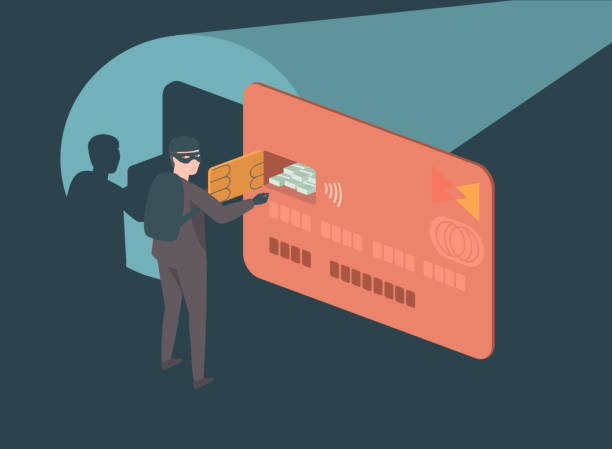
Investigators said the accused allegedly sent messages to American citizens warning that their mobile phones or laptops had been infected with viruses. Victims were then persuaded to purchase gift cards and share their redemption codes, which the suspects allegedly converted into money.
Palghar Superintendent of Police Yatish Deshmukh confirmed that seven suspects had been arrested. Police seized seven laptops, 14 mobile phones, a car and a two-wheeler during the operation.
According to a separate report citing an official statement, the total value of the seized electronic equipment and vehicles was approximately ₹21.83 lakh.
FCRF Launches Certified Chief Risk Officer (CRO) Program for India’s Risk Leaders
Fake Virus Warnings Used To Extract Gift Card Payments
The alleged operation relied on a form of technical-support fraud in which criminals create panic by convincing individuals that their electronic devices or financial information are at risk.
According to police, the suspects contacted people in the United States through messages falsely claiming that their computers or mobile phones were infected with viruses.
The warnings were allegedly used to convince recipients that urgent action was required to protect money held in their bank accounts.
Instead of directing victims towards legitimate technical assistance, the accused allegedly instructed them to purchase gift cards and share the associated codes.
Once the criminals obtained these codes, they could redeem or otherwise monetise their value without requiring victims to transfer money directly into a conventional bank account.
This payment method is frequently associated with technical-support scams because gift-card codes can be transmitted quickly and may be difficult to recover after redemption.
The reported method also shows how cybercriminals exploit fear surrounding malware infections and banking security to pressure victims into making immediate financial decisions.
The investigation has not yet established the total number of victims, the amount allegedly collected or how long the operation had been running.
Police Trace Alleged Operation To Bungalow In Vikramgad
The suspected call centre was operating from a bungalow in Bhopoli village, located in Vikramgad taluka of Palghar district.
Acting on information about the activities taking place there, a Crime Branch team conducted a raid on November 24 and detained seven men found at the premises.
Police subsequently arrested the suspects under provisions of the Bharatiya Nyaya Sanhita and the Information Technology Act.
The seizure of seven laptops and 14 mobile phones forms an important part of the investigation, as electronic devices may contain communication records, contact details, transaction information and other evidence connected to the alleged fraud.
Investigators may also examine the devices to establish whether the operation was connected to other individuals or groups involved in similar activities.
However, police have not publicly disclosed the identities of the arrested men, their individual roles or details of any wider network in the reports available so far.
The seizure of a car and a two-wheeler further indicates that investigators are examining assets associated with the premises, although their precise connection to the alleged fraud has not been detailed.
The accused remain suspects, and the allegations will require examination through the investigation and judicial process.
Hawala Payments Raise Questions About Cross-Border Money Trail
One of the significant aspects of the case is the alleged movement of fraud proceeds through hawala channels.
Police said the gift-card codes obtained from victims were encashed and the resulting money was transferred through informal financial channels.
Hawala is a method of transferring value through intermediaries without necessarily moving funds through a conventional bank transfer between the sender and recipient.
Such arrangements can complicate financial investigations because tracing the movement of funds may require identifying intermediaries, examining financial records and reconstructing transactions across different locations.
In this case, authorities have not disclosed the amount routed through these channels or identified the alleged recipients.
The reference to hawala suggests that the investigation could extend beyond the individuals arrested at the bungalow, depending on what investigators establish about the financial trail.
However, there is currently no confirmed information about additional arrests, international collaborators or the involvement of any particular overseas organisation.
The case also highlights a challenge for law enforcement agencies dealing with cyber fraud committed from one country against victims living in another.
While the suspected operation was based in Maharashtra, the alleged victims were located in the United States, raising questions about how investigators may identify affected individuals and establish the scale of financial losses.
The latest action adds to a series of investigations across India involving fake call centres allegedly targeting foreign nationals through technical-support impersonation, fabricated security warnings and deceptive payment requests.
Although these cases share similar methods, the Palghar operation is a separate investigation, and no direct connection with previously uncovered networks has been established.
What this means for you: A message claiming your device has a virus should never be treated as proof of an infection. Legitimate technical-support providers do not require customers to purchase gift cards and disclose redemption codes to secure their bank accounts.