
Follow us on Google News

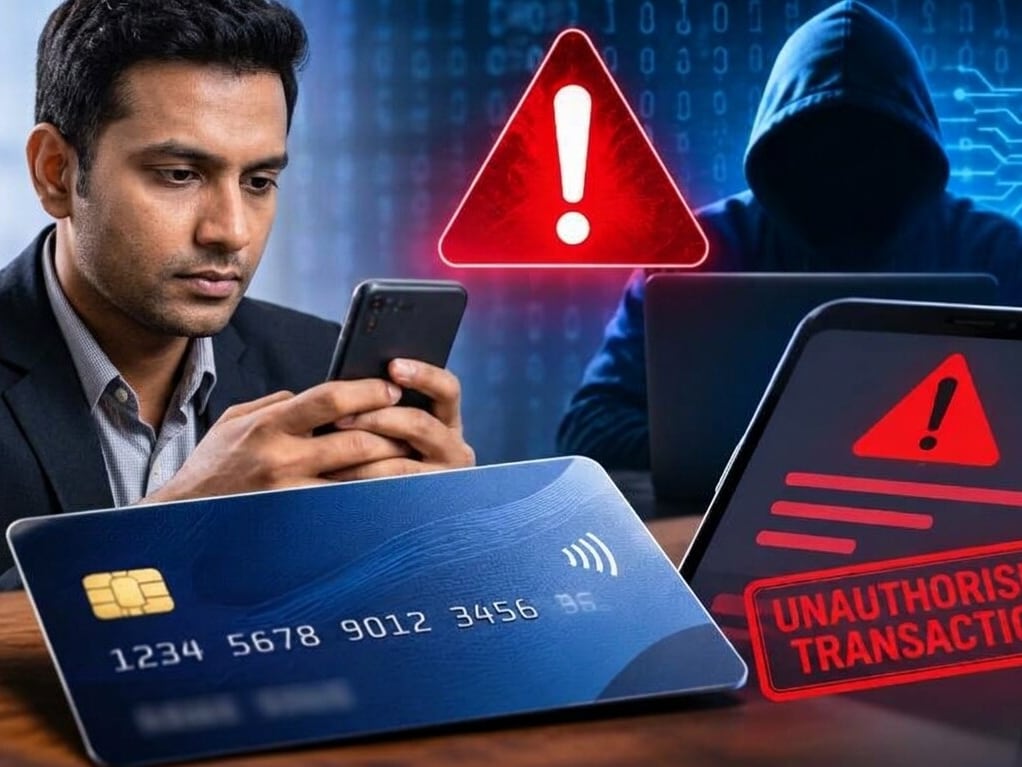
Cyber fraudsters duped a 76-year-old retired officer of over 15.25 lakh rupees under the pretext of updating his pending gas bill in Belagavi. Posing as a representative of a gas company, an unidentified caller sent a fraudulent link to the elderly man’s mobile phone, which installed an unauthorized application upon being opened. Using this application, the perpetrators obtained his banking credentials and one-time passwords (OTPs) to siphon money across multiple transfers.
The victim, Rayappa, is a resident of Ramteerth Nagar in Belagavi. According to the complaint lodged with the Belagavi City Cyber Crime Police Station on Tuesday, a total of 61 unauthorized transactions were executed from his Canara Bank account between November 13 and November 18, draining 15,25,333.90 rupees. The incident began on November 7 around 5:30 pm, when Rayappa received a call from an unknown person claiming to represent Megha Gas Company. The caller warned that his gas bill was overdue and needed an immediate update, prompting Rayappa to ask for details before receiving a malicious link titled ‘GASS.BILL UPDATE’.
Malware App Installed Through Fraudulent Gas Bill Link
Believing the caller’s claim that the link would update his billing details, Rayappa clicked on it, unknowingly installing an unauthorized application on his device. Cybercriminals allegedly used this malicious app to access sensitive mobile and banking data. According to the police complaint, the fraudsters subsequently obtained Rayappa’s OTPs and bank account information, triggering a series of rapid online withdrawals.
Over a five-day period from November 13 to November 18, funds were transferred out of his account through 61 separate transactions without the victim immediately realizing the ongoing theft. Rayappa grew suspicious only when the caller later demanded his internet banking password. When he questioned the caller about the request, the person abruptly disconnected the call, leaving Rayappa convinced that something was wrong, though substantial funds had already been stolen by then.
Victim Freezes Account and Reports Theft to Cyber Helpline
The full extent of the fraud came to light on November 19 when Rayappa visited his bank branch and checked his account statement. Upon discovering the unauthorized debits, he immediately alerted bank officials and had his account frozen to prevent any further financial loss. He then registered a formal complaint on the national cybercrime helpline number 1930 and approached the local police with complete details of the incident.
Based on his complaint, the Belagavi City Cyber Crime Police have registered a case and initiated an investigation. Officers are currently tracing the beneficiary bank accounts that received the stolen money, while also working to identify the caller and track the technical origin of the malicious link and application installed on the victim’s phone.
Experts Advise Caution Against Unverified Links and Calls
Renowned cybercrime expert and former IPS officer Prof. Triveni Singh noted that cybercriminals are increasingly exploiting routine utility services such as bill updates, KYC verifications, and payments to target unsuspecting citizens. He explained that attackers send unknown links to install malware or suspicious applications that compromise confidential banking data, advising people never to click on unverified links or download apps on a caller’s instruction.
Prof. Singh emphasized that any updates related to gas or electricity bills should only be carried out through the official mobile application or website of the respective service provider. Experts further cautioned that banking passwords, OTPs, and sensitive credentials must never be shared over the phone, and urged victims of unauthorized transactions to immediately notify their bank and dial 1930 to improve the chances of freezing stolen funds before they are further dispersed.