

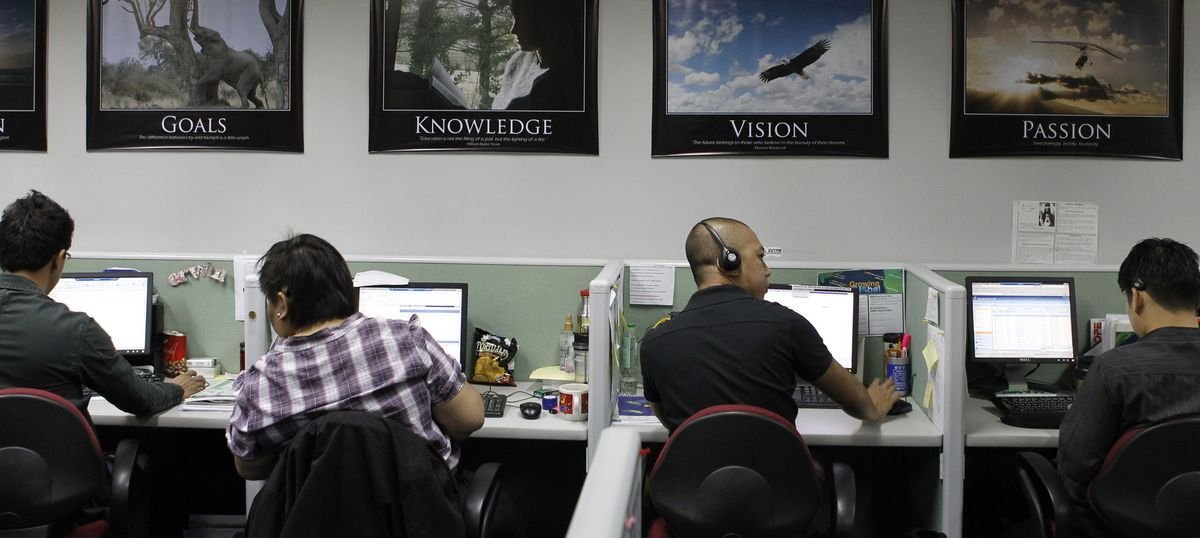
The Mohali District Police have busted an illegal, high-tech corporate call centre operating from a residential area in Sector 78. Following a synchronized, late-night tactical raid, enforcement squads apprehended seven cyber operatives accused of running a sophisticated international phishing network. The investigative breakthrough reveals how the group managed an organized tech-support scam, deliberately targeting foreign nationals—primarily residents of the United States—before laundering the extorted proceeds through international digital payment systems.
Registration Begins for FutureCrime Summit 2026, India’s Largest Cybercrime Conference
The Pop-Up Engine and International Extortion Blueprint
The operational mechanics of the syndicate relied on the systematic deployment of malicious digital advertising frameworks. Rather than operating as a domestic calling ring, the suspects established a highly technical infrastructure designed to exploit global web traffic. The group utilized underground servers to inject forced, lookalike security alerts and pop-up screens directly onto the personal computers of unsuspecting users overseas.
The syndicate executed its international financial extractions through three distinct operational phases. Foreign users browsing the web were suddenly targeted with un-closable browser pop-ups displaying counterfeit warnings that appeared to originate from Microsoft Windows Support or Apple Security during the lookalike security scare phase. The messages falsely stated that the user’s operating system had been fatally compromised by severe Trojan malware, threatening permanent hardware lockouts. Moving into the spoofed helpline terminal phase, the digital alerts displayed a toll-free technical support number, which routed the terrified foreign victims directly to the hidden call centre infrastructure in Sector 78. The calling operatives deployed highly polished English-speaking agents who used lookalike corporate identities to convince the victims that their sensitive personal records and financial details were exposed to hackers. Finally, during the digital gift card ransom phase, once the agents established psychological control over the remote desktop via screen-sharing applications, they charged the victims hefty security cleaning fees ranging from hundreds to thousands of dollars. To completely bypass international banking fraud detection filters and avoid conventional electronic trails, the operators forced the victims to purchase digital gift cards, including Apple, Google Play, and Amazon credits, subsequently routing the alphanumeric voucher codes to secondary handlers for local cash liquidations.
Mid-Night Raid, Server Discoveries, and Hardware Seizures
Upon receiving actionable intelligence regarding unusual high-volume internet activity and nocturnal office setups within the Sector 78 locality, senior police commands authorized an immediate containment sweep. Specialized cyber division squads forced entry into the operational headquarters during the peak calling hours of the American night cycle, catching the tele-callers actively engaging with overseas victims on live communication channels.
Search operations at the facility yielded an extensive array of high-value electronic warfare and structural communication tools. Police teams recovered nine high-performance laptops, ten specialized smartphone devices, and multiple enterprise-grade routing terminals used to scramble IP signatures. Most significantly, investigators seized physical documentation consisting of written English training scripts detailing precise conversational steps to manipulate senior citizens and panic-stricken users into parting with their financial codes.
Transnational Interventions and Cross-Border Asset Audits
The Mohali Police have formally registered a first information report (FIR) under relevant punitive sections covering cheating by personation, identity fraud, criminal conspiracy, and the exploitation of electronic communication tools under the Information Technology Act. Zonal detectives have initiated a deep-dive forensic audit of the seized laptops’ hard drives to map out the complete money trail and establish the parameters of their suspected linkages to wider cross-border cryptocurrency and gift-card laundering syndicates.
The exposure of this sector-based tech-support racket has prompted cybersecurity commands and international enforcement cells to issue renewed consumer protection warnings. Safety boards remind the public that legitimate technology providers like Microsoft, Apple, or Google never display unsolicited full-screen warnings containing immediate financial demands, nor do they instruct consumers to pay for software maintenance packages using retail gift cards or digital vouchers. Citizens are strongly urged to block any persistent browser alerts, refuse remote desktop access to unverified calling agents, and immediately report suspicious international calling nodes to regional cyber cell divisions to cut off illicit data flows at an early phase.
