

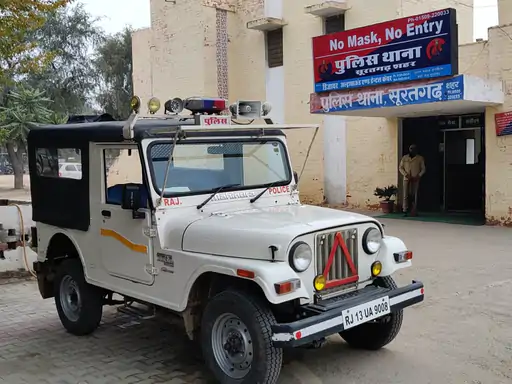
The Sri Ganganagar district police department has initiated a major commercial fraud investigation following a formal complaint filed by a local publishing distributor in Suratgarh, Rajasthan. The case centers on an organized supply-chain racket where a trading syndicate systematically manipulated wholesale procurement channels to secure a high-volume consignment of academic and institutional books valued at ₹9.50 lakh. The deception came to light only when the distributor attempted to settle the outstanding digital ledger balances, discovering that the buyer’s corporate credentials and transactional records were entirely fabricated.
Registration Begins for FutureCrime Summit 2026, India’s Largest Cybercrime Conference
The Fraudulent Consignment and Fabricated Purchase Orders
The commercial fraud unfolded over a structured period after local distribution managers were contacted by individuals presenting themselves as authorized procurement agents for premium educational networks and regional institutes. Utilizing sophisticated corporate social engineering, the perpetrators presented highly polished procurement briefs and lookalike purchase orders that matched the official administrative templates of recognized corporate buyers.
The syndicate secured the fraudulent product flow by subverting traditional supply-chain verification barriers. The suspects established constant digital correspondence with the publisher, requesting an urgent delivery of high-value reference volumes and educational materials to meet artificial seasonal distribution deadlines. Trusting the corporate facade and the urgency of the order, the Suratgarh distributor bypassed secondary credit-worthiness checks and expedited the packaging process, releasing the full inventory shipment to the syndicate’s designated transit logistics providers without waiting for upfront capital clearing.
Financial Extraction via Counterfeit Payment Gateways
To maintain the illusion of a legitimate commercial transaction and delay institutional suspicion, the fraudsters deployed a series of counterfeit electronic payment confirmations. As the consignment crossed regional transit checkpoints, the handlers shared realistic, high-resolution screenshots of digital bank transfers and simulated Real-Time Gross Settlement (RTGS) transactions over messaging platforms. These digital confirmations falsely indicated that the complete processing balance of ₹9.50 lakh had already been debited from the buyer’s account and was traveling through standard clearing cycles.
The structural deception collapsed when the publisher’s accounting desk audited the incoming Axis Bank and State Bank of India corporate statement logs, revealing that no such financial tranches had ever cleared the clearing house. When distribution managers physically traced the delivery destination, they discovered that the wholesale book consignments had been rapidly offloaded at unverified secondary storage units and instantly broken down for immediate local liquidations. The suspects immediately severed all digital communication channels, deactivated their mobile terminals, and deleted the lookalike corporate domains used to authorize the primary transaction.
Police Intervention and Supply Chain Security Safeguards
The Suratgarh Police have formally registered a first information report (FIR) under relevant punitive sections covering cheating, criminal breach of trust, and the utilization of forged electronic records as genuine items. Specialized economic offense squads have taken over the digital asset trail, issuing formal disclosure mandates to regional telecom operators and internet service providers to isolate the exact geolocations from which the lookalike domains and digital payment screenshots originated.
The high-value retail exposure has prompted commercial trade boards and logistics networks across Rajasthan to issue immediate supply-chain risk mitigation directives. Wholesale distributors are strongly urged to enforce aggressive verification measures, ensuring that no high-value commercial consignments are released to independent freight handlers based solely on digital screenshots or unverified messaging confirmations. To permanently protect the trading ecosystem against similar procurement manipulations, trade bodies are advising businesses to implement mandatory dual-authorization frameworks where the inventory dispatch desk is strictly decoupled from the financial clearing stream, ensuring that funds are fully settled inside the destination bank profile before any physical asset leaves the warehouse perimeter.
