

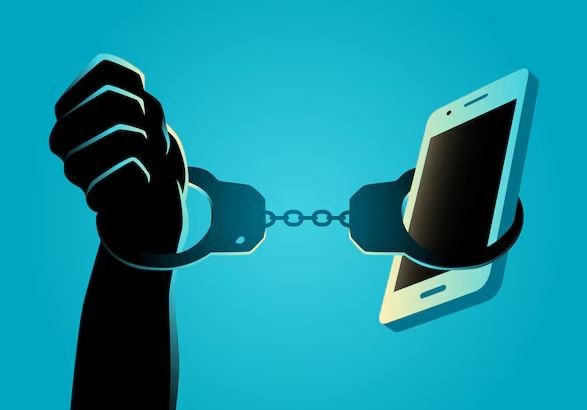
The Central Bureau of Investigation (CBI) has executed a major arrest in an ongoing cross-border cyber extortion probe, apprehending a key suspect in Rajkot, Gujarat. The operative is accused of running a targeted “digital arrest” scam that forced an elderly victim to surrender her savings. The federal intervention comes after the case was elevated from state-level cyber units to the central agency following an explicit directive from the Supreme Court.
Registration Begins for FutureCrime Summit 2026, India’s Largest Cybercrime Conference
The Terrorism Slur and Coerced Bank Transfers
The case unraveled when a senior citizen lodged a formal complaint detailing a high-pressure social engineering siege. The criminal network initiated contact through encrypted communication nodes, with callers falsely representing themselves as senior officers from national security and counter-terrorism divisions.
The syndicate executed its psychological extortion through coordinated operational phases. The interaction began with a counter-terrorism fabricated threat, where the impostors informed the elderly victim that her primary bank account had been directly flagged in connection with active terror-financing networks, claiming that an immediate, nationwide arrest warrant and asset-seizure mandate had been issued in her name. To break down the victim’s skepticism and simulate absolute legal authority, the suspects deployed a fake document anchor by sharing high-resolution, fabricated asset attachment orders designed to mimic legitimate judicial decrees and agency stamps. Finally, the scheme culminated in assets liquidation coercion, where under the false premise of a temporary government wealth clearance audit, the panic-stricken senior citizen was forbidden from disconnecting the call or speaking to family members while the group coerced her into executing rapid electronic transfers totaling ₹25.65 lakh into two separate designated bank accounts provided by the callers.
Trans-State Tracking and the Bhopal Case Takeover
The cyber offense was initially registered and investigated by the specialized Cyber Crime unit of the Madhya Pradesh Police in Bhopal. However, due to the sprawling, inter-state nature of the mule account infrastructure and the cross-border digital footprints involved, the Supreme Court ordered a central takeover. The CBI subsequently re-registered the case to deploy federal forensic assets.
Leveraging advanced digital tracing, IP log tracking, and banking communication analysis, federal investigators mapped the operational nexus to Gujarat. A special CBI team located and apprehended the suspect, identified as Shankar Pansari, alias Shankar Rajput, a native of Karnal, Haryana, who was operating out of Rajkot. Investigators established that Pansari was directly involved in managing the illicit bank accounts that received the ₹25.65 lakh fraud proceeds.
Legal Concept Refusal and Security Enforcement
The CBI has officially taken custody of Pansari for intensive interrogation to map out the broader money trail, identify auxiliary technical partners, and trace the ultimate beneficiaries of the siphoned funds. The agency is also analyzing links between this setup and a wider web of international scam compounds that systematically target vulnerable demographics.
Following the arrest, central law enforcement commands and judicial experts have issued a strict public reminder clarifying that the concept of a “digital arrest” is entirely fictional and possesses zero validity under Indian jurisprudence. No legitimate security agency, court of law, or police cell possesses the statutory authority to place a citizen under detention via video stream, nor do public officials demand immediate private asset transfers to clear an individual’s name during an active investigation. Citizens are urged to treat any unsolicited call claiming security violations with immediate skepticism, terminate the interaction, and file a report with the national cybercrime grievance line (1930) to facilitate the immediate freezing of fraudulent accounts.
Follow for daily updates on cybercrime, corporate fraud, DFIR, hacking, investigations, and digital forensics
