


Meerut | A major illegal telephone exchange network has been uncovered in Meerut, Uttar Pradesh, triggering serious concerns among security agencies. Initial police action has revealed that the racket is not limited to telecom fraud alone but appears to be linked with Nepal, hawala channels, and cryptocurrency-based funding, indicating a wider and more organised international network.
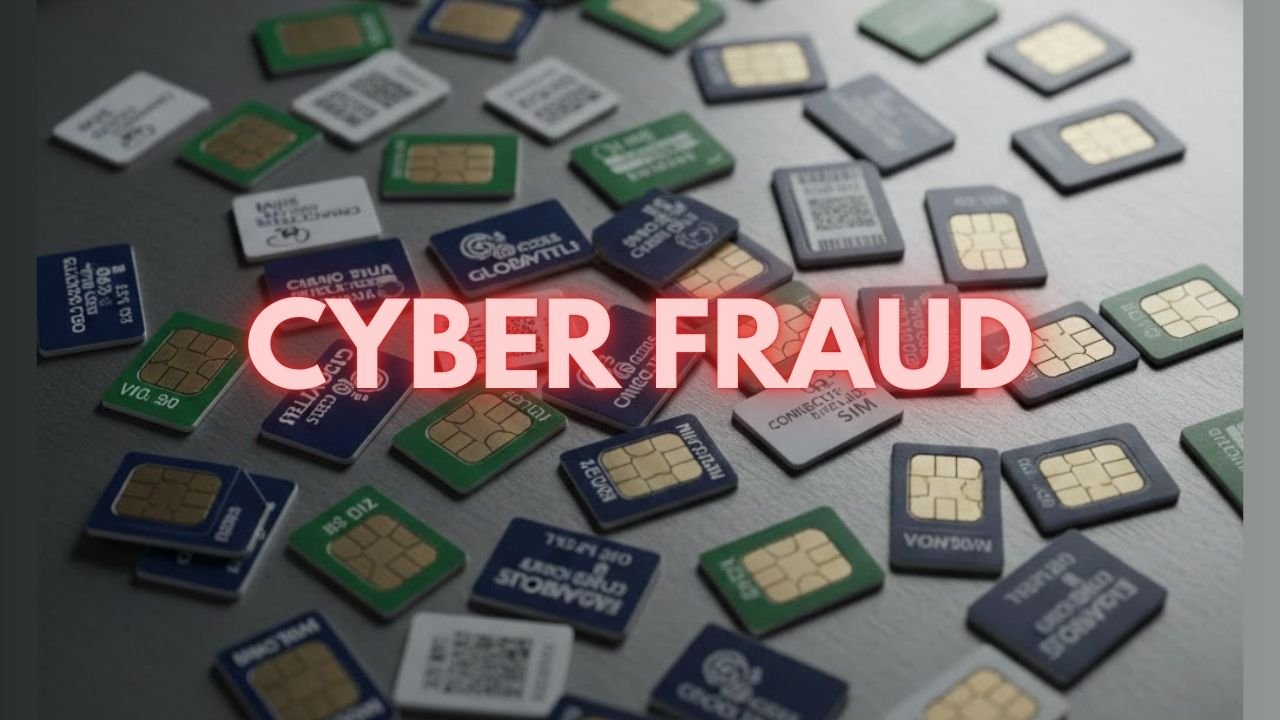
The case came to light on May 20 when Meerut Police conducted a raid in the Kotwali area and arrested three key accused involved in operating an illegal telephone exchange. The arrested individuals have been identified as Mohammad Sameer, Nasir, and Prashant. During the raid, police recovered 97 SIM cards, 2 laptops, 1 SIM box, and 2 cars, all allegedly used for illegal call routing and manipulation of telecom traffic.
FCRF’s Flagship Cyber Law Certification Returns With a New Four-Week Cohort
During interrogation, investigators found that the network has cross-border links extending to Nepal. According to police sources, more than 15 individuals associated with the racket had travelled to Nepal, where they allegedly received specialised training in setting up and operating illegal telephone exchange systems. After returning to India, they reportedly established similar setups across multiple cities.
A key figure in the network has been identified as Raja alias Hashmat, who allegedly provided technical support and supplied SIM boxes and other equipment required for running the illegal exchanges. Police believe he played a crucial role in setting up and maintaining operational systems at different locations.
The investigation widened further after financial transactions linked to the racket showed possible use of hawala channels along with cryptocurrency, including Bitcoin. Preliminary findings suggest that the network was being funded through foreign currency routes and crypto transactions, making it extremely difficult for enforcement agencies to trace the money trail.
Officials stated that such illegal telephone exchange systems are not limited to financial crimes alone. They can also be used to bypass sensitive communication channels and hide suspicious or illegal activities. This has raised concerns about possible involvement of IT experts linked to organised or extremist networks, prompting deeper scrutiny.
Security agencies, including the Anti-Terrorism Squad (ATS) and other central intelligence units, have been alerted. Investigations are now being expanded across multiple states to identify possible links of this network. Authorities suspect that the racket may be part of a larger international syndicate operating across borders.
Forensic teams along with SWAT units are conducting detailed analysis of the seized laptops and digital equipment. Several advanced software tools have been found in the devices, reportedly capable of bypassing SIM box restrictions and rerouting telecom traffic. Experts are currently evaluating the technical structure and functionality of these tools.
Senior police officials in Meerut stated that similar illegal setups had been uncovered earlier in Mavana, Lohianagar, and Kotwali areas, but the Nepal connection and digital financing aspects have made this case significantly more serious. They added that efforts are underway to trace absconding accused, with coordination being maintained with multiple agencies.
Police have also prepared a list of wanted suspects, and steps are being taken to announce rewards for Raja alias Hashmat and other individuals linked to the racket. Officials believe that further investigation may reveal deeper layers of this network, potentially exposing a wider telecom and cybercrime ecosystem posing a serious national security challenge.
