

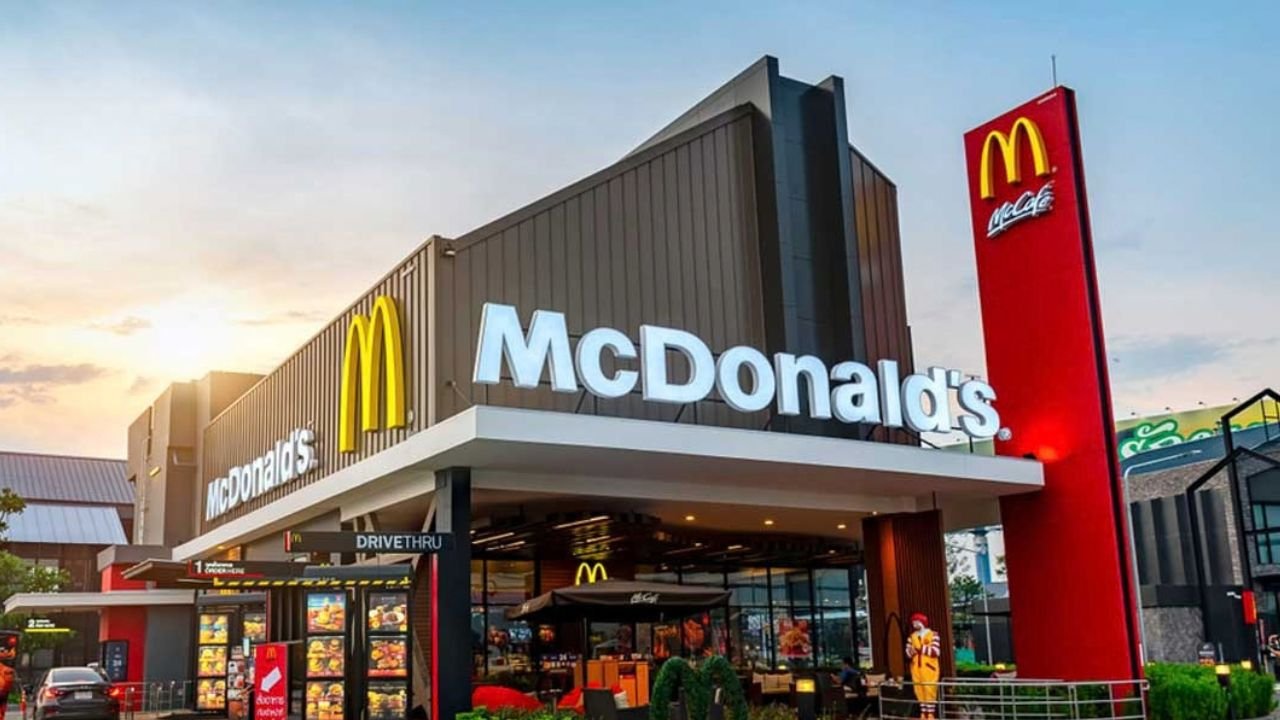

Washington. McDonald’s is facing a proposed nationwide class-action lawsuit in the United States alleging that the fast-food company uses an AI-powered pricing system to coordinate menu prices across its franchise and company-operated restaurants. The lawsuit claims that the alleged system violates US antitrust laws.
The case was filed in federal court in Chicago on Friday. The lawsuit alleges that McDonald’s coordinated with independent franchisees to use algorithms trained on non-public data to influence or fix prices. The plaintiff argues that independent businesses should set their prices independently and that coordinating prices through a common system could undermine competition.
FCRF Launches CP-FRM to Build India’s Next Generation of Fraud Risk Professionals
An Illinois resident filed the lawsuit and is seeking to represent potentially millions of McDonald’s customers across the country. The complaint alleges that the use of AI and data-driven pricing systems created conditions that allowed consumers to be charged higher prices for menu items.
The lawsuit also refers to information previously reported about McDonald’s pricing technology. The company’s pricing system uses machine-learning algorithms to continuously analyse data from millions of daily transactions. Such technologies are increasingly being used not only for pricing but also for other aspects of restaurant operations.
McDonald’s has rejected the allegations. The company described the claims as speculative and uninformed. It said AI does not set the price of a Big Mac or any other menu item. The company also said franchisees make their own pricing decisions independently.
McDonald’s further argued that pricing recommendation tools and data analytics are widely used across industries and are not unique to the restaurant business. According to the company, the availability of such tools does not mean that franchisees are required to follow a centrally determined price.
The lawsuit comes amid a broader wave of class-action cases in the United States involving allegations that algorithms and AI systems have been used to illegally coordinate prices. Similar litigation has involved hotel rooms, apartment rentals and other consumer goods and services. These cases have raised questions about whether businesses can maintain independent pricing decisions when they rely on common algorithms, data or technology platforms.
The plaintiff’s lawyer has alleged that McDonald’s is using its extensive data and franchise network to extract higher payments from consumers. However, these allegations remain claims made in the lawsuit and have not been established in court.
The case comes as AI and machine-learning technologies are becoming increasingly common in the restaurant and retail sectors. Companies use such systems to forecast demand, analyse sales trends, evaluate promotions and generate pricing recommendations. The growing use of these tools has also attracted greater scrutiny from regulators and consumers over whether automated pricing systems could reduce competition.
The McDonald’s lawsuit is expected to focus on the extent to which the company’s pricing technology may influence decisions made by independently operated franchise restaurants. The court will also have to consider whether the alleged use of algorithms and non-public data amounts to unlawful coordination under US antitrust law.
Follow for daily updates on cybercrime, corporate fraud, DFIR, hacking, investigations, and digital forensics
